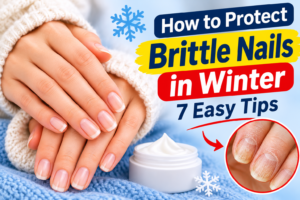

Winter can be challenging for your hands and nails. Cold temperatures, dry indoor air, frequent handwashing, and hot showers can leave your skin feeling rough and your nails looking weak. You may notice more peeling, splitting, dryness, and uncomfortable cuticles during the colder months.
Brittle nails are a common concern, especially when your hands are regularly exposed to water, detergents, and harsh environmental conditions. Fortunately, you do not need expensive salon treatments to maintain healthy-looking nails throughout winter.
A simple nail care routine at home can help protect your natural nails, reduce dryness, and keep your cuticles moisturized. From using nourishing hand creams to choosing gentle nail products, small changes can make a difference.
In this guide, discover seven practical ways to protect brittle nails in winter and maintain beautiful, healthy-looking hands.
Key Takeaways
- Cold weather and dry indoor air can contribute to dry skin, brittle nails, and uncomfortable cuticles.
- Frequent handwashing, cleaning products, and harsh nail polish removers may increase nail dryness and damage.
- Daily moisturizing and wearing protective gloves can help maintain healthier nails.
- Nutritional deficiencies may affect nail health, but supplements should only be taken when needed.
- Gentle nail filing and proper nail product removal can help prevent unnecessary breakage.
1. Check Your Vitamin and Mineral Levels
If your nails frequently split, peel, or break, nutritional deficiencies may be one possible explanation.
Healthy nail growth depends on several nutrients, including protein, iron, zinc, and other essential vitamins and minerals. When your body does not receive enough nutrients, nail appearance and growth may sometimes be affected.
However, brittle nails are not always caused by vitamin deficiencies. Environmental factors, repeated exposure to water, and everyday nail damage can also contribute to the problem.
If you notice persistent nail weakness, consider speaking with a healthcare professional. They may recommend blood tests to check for nutritional deficiencies or other possible causes.
Avoid taking multiple supplements without knowing whether you need them. A balanced diet is usually the best starting point.
Foods such as eggs, fish, beans, nuts, leafy vegetables, and whole grains can help provide nutrients that support normal nail growth.
Youtube Video
2. Protect Your Nails From External Damage
Winter conditions can make nail care more difficult. Cold outdoor temperatures and dry indoor heating may contribute to moisture loss, while household cleaning products can weaken the nails and irritate the surrounding skin.
Fortunately, a few simple habits can help protect your hands.
Avoid Long, Hot Showers
Hot water can remove some of the natural oils that protect your skin. Spending too much time in hot showers may leave your hands and skin feeling dry.
Choose lukewarm water and avoid unnecessarily long showers.
Wear Gloves When Cleaning
Dishwashing liquids, detergents, and household cleaning products can irritate your skin and contribute to nail dryness.
Wear protective gloves when washing dishes, cleaning surfaces, or handling cleaning chemicals.
Apply Hand Cream Regularly
Use a moisturizing hand cream after washing your hands and whenever your skin feels dry.
Look for products containing moisturizing ingredients such as glycerin, ceramides, or shea butter.
Remember to apply cream around your nails and cuticles rather than focusing only on your palms.
Use Nail Oil Daily
Cuticle oil can help soften dry skin around the nails and improve the appearance of rough cuticles.
Jojoba oil and other moisturizing oils are popular choices. Apply a small amount before bedtime and massage it gently into the cuticles.
Choose a Gentle Nail Polish Remover
Some nail polish removers can leave nails feeling dry, especially with frequent use.
Consider a gentler remover and avoid excessive rubbing or scraping when removing polish.
File Your Nails Carefully
Use a fine-grit nail file or glass nail file to smooth rough edges.
File gently in one direction rather than using aggressive back-and-forth movements. Avoid filing too deeply or thinning the natural nail.
3. Choose Moisturizing Products for Dry and Brittle Nails
The right nail care products can help protect your hands during winter. You do not need an extensive collection of expensive treatments. A few suitable products can support a simple daily routine.
Nourishing Nail Oil
Nail oil is useful for moisturizing dry cuticles and the surrounding skin.
Look for products containing jojoba oil, vitamin E, or other moisturizing ingredients.
Apply a small amount around each nail and massage gently. Using it before bedtime allows you to include moisturizing in your nighttime routine.
Moisturizing Hand Cream
A good hand cream helps reduce dryness caused by cold weather, indoor heating, and frequent handwashing.
Choose a cream that contains ingredients such as:
- Glycerin
- Shea butter
- Ceramides
- Petrolatum
- Hyaluronic acid
Apply it after washing your hands and before going to sleep.
Protective Base Coat
A suitable base coat can provide a temporary protective layer when you wear nail polish.
However, base coats do not permanently strengthen damaged nails or replace proper moisturizing.
Choose products that suit your nails and discontinue use if irritation develops.
4. Try a Simple Nail Protection Routine
One helpful way to protect brittle nails is to reduce their exposure to water and household cleaning products.
You can include a few simple steps in your daily routine.
First, keep your nails at a manageable length. Long, weak nails may catch on clothing or other surfaces and break more easily.
Next, apply a suitable moisturizer around your nails and cuticles.
If you regularly wash dishes or clean your home, wear protective gloves. After finishing, wash away any remaining cleaning product and dry your hands carefully.
You can also apply a suitable nail coating if you enjoy wearing polish. Follow the manufacturer’s instructions and avoid applying products to irritated or damaged nails.
5. Choose Gentle Nail Treatments Instead of Harsh Acrylics
People who enjoy manicures may notice additional nail damage when artificial nail products are applied or removed incorrectly.
Acrylic nails and other artificial enhancements often require preparation and removal techniques that can thin or damage the natural nail plate.
If your nails are already brittle, consider taking a break from artificial enhancements.
You can choose natural-looking manicures or regular nail polish instead, provided your nails tolerate the products.
When using nail wraps or other adhesive nail products, follow the removal instructions carefully. Never pull or peel them off forcefully because this may remove layers of your natural nail.
Allow your nails to recover if you notice persistent peeling, tenderness, or breakage.
6. Follow a Simple Winter Nail Care Routine
Consistency is important when caring for dry and brittle nails. A daily routine does not need to take more than a few minutes.
Morning Routine
- Wash your hands with gentle soap.
- Dry your hands thoroughly.
- Apply moisturizing hand cream.
- Use protective gloves when going outside in very cold weather.
- Avoid using your nails to open packages or scratch hard surfaces.
Evening Routine
- Remove dirt and any remaining nail polish gently.
- Apply cuticle oil around your nails.
- Massage a moisturizing hand cream into your hands.
- Check for peeling, splitting, or unusual nail changes.
Weekly Nail Maintenance
Once a week, check your nail length and smooth any rough edges with a gentle file.
Avoid excessive buffing, cutting your cuticles, or using multiple nail treatments at the same time.
This simple approach can help you maintain a neat appearance without unnecessary nail damage.
7. Eat a Balanced Diet for Healthy Nail Growth
External nail care is important, but nutrition also plays a role in maintaining healthy nails.
Your body needs adequate nutrients to produce normal nail tissue. A varied diet can help provide the building blocks needed for healthy growth.
Consider including these foods in your meals:
Eggs: Provide protein and several nutrients that support normal body functions.
Fish: Supplies protein and other nutrients, depending on the type of fish.
Nuts and seeds: Provide healthy fats, zinc, and other minerals.
Leafy vegetables: Offer folate, iron, and other essential nutrients.
Beans and lentils: Provide plant-based protein and minerals.
Whole grains: Contribute several B vitamins and other nutrients.
Remember that nail changes can have many different causes. Eating a balanced diet supports general health, but it does not guarantee that brittle nails will disappear.
Common Winter Nail Care Mistakes to Avoid
Even when you follow a nail care routine, certain habits can make dryness and breakage worse.
Cutting Cuticles Too Deeply
Cuticles help protect the area around the base of your nails. Cutting living cuticle tissue can increase the risk of irritation and infection.
Keep the area moisturized and avoid aggressive cuticle removal.
Using Too Much Nail Polish Remover
Frequent use of nail polish remover may contribute to dryness. Use it only when needed and avoid scraping polish from your nails.
Washing Hands With Very Hot Water
Hot water can make dry skin feel worse. Use lukewarm water and apply moisturizer after washing.
Overusing Nail Hardeners
Some nail hardeners can make nails feel temporarily stronger, but excessive use may contribute to brittleness.
Choose nail products carefully and stop using anything that causes discomfort.
Ignoring Persistent Nail Changes
Repeated splitting, unusual discoloration, pain, or nail separation should not automatically be blamed on winter weather.
A dermatologist can help identify whether an underlying nail condition requires treatment.
When Should You See a Dermatologist?
Occasional nail dryness during winter is usually manageable with gentle care. However, persistent or unusual changes may need professional attention.
Consider consulting a dermatologist if:
- Your nails continue breaking despite regular moisturizing.
- Several nails develop unexplained discoloration.
- Your nails become thick, crumbly, or separated from the nail bed.
- You notice pain, swelling, or redness around your nails.
- Nail changes occur alongside other unexplained symptoms.
A healthcare professional can examine your nails and determine whether the problem is related to environmental damage, infection, nutritional deficiencies, or another condition.
Frequently Asked Questions
1. Why do my nails become brittle during winter?
Cold weather, dry indoor air, frequent handwashing, and household cleaning products can contribute to nail dryness and damage. These factors may make nails more likely to split or peel.
2. What is the best oil for brittle nails?
Jojoba oil and other moisturizing oils can help soften dry cuticles and surrounding skin. They are useful for nail care, although they are not proven cures for nail damage or infections.
3. How can I protect my nails from cold weather?
Wear warm gloves outdoors, use moisturizing hand cream regularly, and protect your hands from cleaning chemicals. Avoid prolonged exposure to very hot water.
4. Can vitamin deficiency cause brittle nails?
Yes, certain nutritional deficiencies may affect nail health. However, brittle nails have several possible causes. A healthcare professional can recommend testing if a deficiency is suspected.
5. Should I use nail polish when my nails are brittle?
You can wear nail polish if your nails tolerate it, but consider taking breaks if you notice additional dryness or peeling. Avoid aggressive polish removal and artificial nail treatments that damage the natural nail.
6. How often should I apply cuticle oil?
You can apply cuticle oil once or twice daily, depending on how dry your cuticles feel. Applying it before bedtime is an easy way to make it part of your routine.
7. Does hand cream help with brittle nails?
Hand cream helps moisturize the skin around your nails and cuticles. It may improve dryness and reduce discomfort, although it does not directly repair structural damage within the nail plate.
Final Thoughts
Winter can make it harder to maintain healthy-looking hands and nails, but a few simple changes can help reduce dryness and breakage.
Use moisturizing hand cream, apply cuticle oil, wear protective gloves when cleaning, and avoid aggressive nail treatments. Pay attention to your diet and seek professional advice if your nails remain unusually brittle.
With consistent care and gentle habits, you can keep your hands comfortable and your nails looking neat throughout the winter season.