
Introduction
Healthy, glowing skin is something many people want, but achieving a natural glow does not always require expensive skincare products or complicated beauty treatments. Sometimes, dull skin simply needs better hydration, gentle cleansing, regular exfoliation, and consistent sun protection.
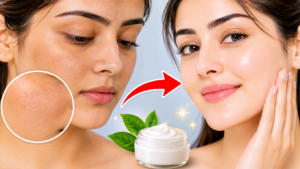
If your complexion looks tired, rough, dry, or uneven, you may be experiencing skin dullness. This can happen when dead skin cells accumulate on the surface, your skin becomes dehydrated, or environmental factors affect its natural protective barrier.
The good news is that small changes to your daily skincare routine can make a noticeable difference. Choosing gentle products and using them consistently can help improve skin texture and make your complexion look fresher and healthier.
In this guide, you will discover seven effective ways to get glowing skin naturally, the best skincare ingredients to consider, and simple morning and evening routines that support healthy-looking skin.
What Is Dull Skin and Why Does It Happen?
Dull skin refers to a complexion that looks tired, rough, dry, or less radiant than usual. Healthy skin reflects light more evenly, while dehydrated or uneven skin may appear flat and lackluster.
Several factors can contribute to dullness.
Dead skin cell buildup: Old skin cells can accumulate on the surface, making your complexion look rough and uneven.
Dehydration: When your skin lacks moisture, it may appear tight, flaky, and less plump.
Environmental exposure: Wind, dry indoor air, pollution, and sunlight can affect the skin’s appearance.
Poor skincare habits: Harsh cleansers and excessive exfoliation can damage the skin barrier and increase irritation.
Insufficient sun protection: Regular UV exposure can contribute to uneven skin tone and premature visible signs of aging.
It is important to understand that dullness is not the same as pigmentation. If you have persistent dark spots or unusual skin discoloration, you may need a different skincare approach.
7 Best Ways to Get Glowing Skin Naturally
1. Cleanse Your Face Gently
Cleansing is the first step toward healthier-looking skin. Throughout the day, sweat, excess oil, sunscreen, makeup, and environmental debris can collect on your face.
A gentle cleanser helps remove this buildup without unnecessarily stripping the skin’s natural oils.
However, using harsh cleansers can leave your skin feeling tight, dry, and uncomfortable. This may make dullness more noticeable.
Tips for gentle cleansing:
- Wash your face with a mild cleanser.
- Use lukewarm water instead of hot water.
- Avoid aggressive rubbing or scrubbing.
- Cleanse in the morning and before bedtime as needed.
- Remove makeup and sunscreen properly at night.
Choose a cleanser according to your skin type. People with dry or sensitive skin may prefer creamy cleansers, while those with oily skin may prefer lightweight gel formulas.
A comfortable cleanse creates a good foundation for the rest of your skincare routine.
Youtube Video
2. Exfoliate Regularly to Remove Dead Skin Cells
Exfoliation is one of the most useful skincare steps for improving the appearance of dull skin.
Dead skin cells naturally accumulate on the surface of your face. When they are not removed efficiently, your complexion may appear rough, uneven, and less radiant.
Gentle exfoliation helps remove surface buildup and makes skin feel smoother.
Benefits of exfoliation include:
- Smoother skin texture
- Reduced appearance of surface flakes
- A fresher-looking complexion
- Improved appearance of uneven texture
- Better application of skincare products
For many people, exfoliating once or twice weekly is sufficient. However, sensitive skin may require less frequent exfoliation.
Avoid using multiple exfoliating products together. Over-exfoliation can cause redness, burning, dryness, and irritation.
If your skin feels sensitive or uncomfortable after exfoliating, stop temporarily and focus on moisturizing.
3. Hydrate Your Skin With Layered Skincare
Hydration plays an important role in achieving a healthy glow. Dehydrated skin may look dull, feel tight, and develop visible dry patches.
One effective approach is layering lightweight hydrating products before applying moisturizer.
A simple hydration routine may include:
Step 1: Hydrating toner
A gentle toner can help add moisture after cleansing. Rose water-based products are one option for people who enjoy lightweight facial hydration.
Step 2: Hydrating serum
Look for ingredients such as hyaluronic acid, which helps attract and retain water in the skin.
Step 3: Moisturizer
Apply a suitable moisturizer to support the skin barrier and reduce moisture loss.
Layering products can help improve the appearance of dryness and make your complexion look smoother and more comfortable.
For better application, consider applying hydrating serum while your skin is slightly damp.
4. Use a Vitamin C or Niacinamide Serum
Serums contain concentrated skincare ingredients designed to target particular concerns.
If you want to improve the appearance of dull skin, vitamin C and niacinamide are two ingredients worth considering.
Vitamin C Serum
Vitamin C is an antioxidant commonly used in skincare products. It helps protect the skin against oxidative stress caused by environmental factors.
Potential skincare benefits include:
- Improving the appearance of uneven skin tone
- Supporting a brighter-looking complexion
- Providing antioxidant protection
- Supporting collagen production
Vitamin C serums are generally used in the morning, followed by moisturizer and sunscreen.
Niacinamide Serum
Niacinamide, also known as vitamin B3, is another useful ingredient for everyday skincare.
It may help support the skin barrier, improve the appearance of uneven tone, and reduce the appearance of excess oil.
People with sensitive skin should introduce new serums gradually and perform a patch test before regular use.
You do not need to use several serums simultaneously. Start with one ingredient that matches your primary skincare concern.
5. Choose a Moisturizer According to Your Skin Type
Moisturizing is essential for maintaining soft, smooth, and healthy-looking skin.
Even oily skin needs hydration. Skipping moisturizer can leave your skin feeling uncomfortable and may make your skincare routine less effective.
The right moisturizer depends on your skin type.
For dry skin: Choose a richer moisturizer containing ingredients such as ceramides, glycerin, or shea butter.
For oily skin: Lightweight, non-comedogenic gel moisturizers may feel more comfortable.
For combination skin: Choose a balanced moisturizer that provides hydration without feeling excessively heavy.
For sensitive skin: Look for fragrance-free formulas with gentle moisturizing ingredients.
Applying moisturizer regularly helps reduce the appearance of dryness and supports a smoother-looking complexion.
6. Apply Facial Oil at Night
Facial oils can be a useful addition to a nighttime skincare routine, particularly if your skin feels dry or looks flaky.
Some facial oils contain fatty acids and other components that help soften the skin and reduce the appearance of dryness.
Rosehip oil is one popular option in skincare routines.
Potential benefits of facial oils include:
- Softening dry skin
- Improving the appearance of rough texture
- Reducing visible flakiness
- Giving skin a more luminous finish
How to use facial oil:
- Cleanse your face gently.
- Apply your hydrating serum.
- Follow with your regular moisturizer.
- Apply two to four drops of facial oil if needed.
- Gently press the oil onto your skin.
Facial oil is optional, not essential. If you have oily or acne-prone skin, choose carefully and introduce it gradually.
7. Protect Your Skin With Daily Sunscreen
Sunscreen is one of the most important steps in any skincare routine.
Sun exposure can contribute to uneven skin tone, premature wrinkles, and other visible signs of skin aging. Even when your skin looks healthy, UV radiation can cause long-term damage.
Using sunscreen regularly helps protect your skin and maintain the results of your skincare routine.
Tips for choosing sunscreen:
- Choose broad-spectrum SPF 30 or higher.
- Select a formula that suits your skin type.
- Apply it to your face, neck, and other exposed areas.
- Reapply approximately every two hours when outdoors, and after swimming or sweating.
- Use additional protection such as hats and shade.
Remember that sunscreen is important throughout the year, not only during summer.
Simple Home Remedies for Dull Skin
You do not always need to purchase additional skincare products to improve your routine. A few everyday habits can also support healthier-looking skin.
1. Get Enough Sleep
Poor sleep can make your complexion appear tired. Maintaining a consistent sleep schedule supports overall health and may help your skin look fresher.
2. Keep Your Pillowcases Clean
Oil, sweat, and skincare product residue can accumulate on pillowcases. Washing them regularly helps maintain a cleaner sleeping environment.
3. Avoid Touching Your Face
Frequently touching or rubbing your face may transfer dirt and irritate sensitive skin.
Try to keep your hands away from your face throughout the day.
4. Maintain a Comfortable Indoor Environment
Dry indoor air can contribute to skin dehydration. A humidifier may help maintain moisture levels, especially during colder months.
5. Avoid Excessive Exfoliation
If your skin already feels dry or sensitive, take a break from exfoliating products. Focus on gentle cleansing, moisturizing, and sunscreen until your skin feels comfortable again.
Best Morning and Night Skincare Routine for Glowing Skin
Consistency matters more than using a large number of products. A simple routine can help maintain hydration and support your skin barrier.
Morning Skincare Routine
- Cleanser: Wash your face with a gentle cleanser.
- Toner: Apply a hydrating toner if desired.
- Serum: Use vitamin C or niacinamide according to your skincare needs.
- Moisturizer: Apply a suitable moisturizer.
- Sunscreen: Finish with broad-spectrum SPF 30 or higher.
Night Skincare Routine
- Cleanser: Remove makeup, sunscreen, and daily buildup.
- Exfoliation: Exfoliate once or twice weekly if your skin tolerates it.
- Hydrating serum: Apply a suitable hydrating product.
- Moisturizer: Help maintain skin hydration overnight.
- Facial oil: Add a few drops if your skin needs extra conditioning.
If your skin is sensitive, begin with cleansing, moisturizing, and sunscreen. Introduce additional products gradually.
How Long Does It Take to Get Glowing Skin?
The time required to improve dull skin depends on the underlying cause and your skincare routine.
Some people notice a fresher appearance shortly after applying hydrating products. However, improving skin texture and maintaining a more consistent glow generally takes several weeks.
A reasonable approach is to follow your routine consistently for two to four weeks before evaluating the results.
Avoid changing products too frequently. Giving your skin time to adjust can help you understand which ingredients work best.
Frequently Asked Questions (FAQs)
1. How can I get glowing skin naturally at home?
You can support glowing skin by cleansing gently, moisturizing regularly, exfoliating occasionally, getting enough sleep, and applying sunscreen every day. Consistency is more important than using many products.
2. What is the best ingredient for glowing skin?
Vitamin C, niacinamide, and hyaluronic acid are popular skincare ingredients. Vitamin C supports a brighter-looking complexion, niacinamide supports the skin barrier, and hyaluronic acid helps hydrate the skin.
3. Why does my skin look dull even after moisturizing?
Dullness may result from dead skin cell buildup, dehydration, environmental exposure, or an unsuitable skincare routine. Gentle exfoliation and layered hydration may help improve the appearance of your complexion.
4. How often should I exfoliate dull skin?
For many people, one or two times per week is enough. Sensitive skin may need less frequent exfoliation. Stop if you experience burning, redness, or excessive dryness.
5. Can facial oil make skin glow?
Yes. Facial oils can soften dry skin and reduce the appearance of flakiness, making the complexion look more luminous. However, people with oily or acne-prone skin should choose products carefully.
6. Does drinking water help make skin glow?
Drinking enough water supports overall health and helps prevent dehydration. However, drinking extra water alone will not automatically create glowing skin. A suitable skincare routine is also important.
7. Can sensitive skin achieve a natural glow?
Absolutely. Sensitive skin can look healthy and radiant with a simple routine that includes gentle cleansing, hydration, moisturizer, and sunscreen. Avoid harsh exfoliation and introduce new products slowly.
Conclusion
Getting glowing skin does not require an expensive skincare routine or harsh treatments. Healthy-looking skin usually comes from consistent habits that support hydration, improve texture, and protect the skin barrier.
Start with gentle cleansing, exfoliate lightly, use hydrating products, choose a suitable serum, and moisturize regularly. Most importantly, apply sunscreen every morning to protect your skin from UV damage.
Remember that every skin type is different. Choose products according to your skin’s needs and avoid using too many active ingredients at once.
With patience and consistency, you can improve the appearance of dull skin and achieve a smoother, fresher, and more radiant-looking complexion.
Medical Disclaimer: This article is for educational purposes only and does not replace professional dermatological advice.