
Introduction
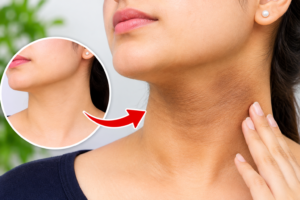
Have you noticed that the skin on your neck looks darker than the surrounding areas? Dark neck discoloration is a common skin concern that can affect people of different ages and skin types. It may appear as brown, gray, or black patches, sometimes accompanied by thickened, rough, or velvety skin.
Many people assume that a dark neck is caused by poor hygiene, excessive sweating, or sun exposure. However, several medical and skin-related conditions can also contribute to this discoloration.
One important question people often ask is: Does a dark neck mean diabetes? In some cases, dark skin around the neck may be associated with insulin resistance, a condition that can increase the risk of developing type 2 diabetes. However, diabetes is not the only possible explanation.
Other causes include fungal infections, inflammatory skin conditions, repeated scratching, and post-inflammatory hyperpigmentation.
Understanding the actual cause is essential because different conditions require different treatments. In this article, we explore five common causes of dark neck skin, available treatment options, and ways to maintain a more even-looking skin tone.
What Causes Dark Skin Around the Neck?
Dark neck skin, also called neck hyperpigmentation, occurs when certain areas become darker than the surrounding skin. The discoloration may develop gradually or appear over a shorter period.
Depending on the cause, the skin may also become thick, itchy, rough, scaly, or velvety.
Some causes are related to excess pigment production, while others involve inflammation, infections, or changes in the skin’s texture.
Here are five conditions that may cause a dark neck.
1. Acanthosis Nigricans
Acanthosis nigricans is one of the most recognized medical causes of dark skin around the neck. It typically creates darker, thicker, velvety patches that may also appear in the armpits, groin, and other skin folds.
This condition is frequently associated with insulin resistance. Insulin resistance occurs when the body’s cells do not respond effectively to insulin, causing the body to produce more of this hormone.
Higher insulin levels may stimulate skin cells to grow and multiply, resulting in thickened and darker skin.
Common Causes of Acanthosis Nigricans
Several factors may contribute to this condition, including:
- Insulin resistance
- Type 2 diabetes
- Obesity
- Certain hormonal disorders
- Genetic factors
- Some medications
In rare cases, acanthosis nigricans may be associated with an underlying cancer, particularly when the skin changes develop suddenly and progress rapidly.
Youtube Video
Symptoms to Look For
Common signs include:
- Dark brown or black patches around the neck
- Thickened or velvety skin
- Similar discoloration in the armpits
- Gradual development of darker skin folds
- Skin that feels different from surrounding areas
How to Treat Acanthosis Nigricans
Treatment focuses primarily on identifying and managing the underlying cause.
If insulin resistance is responsible, a healthcare professional may recommend lifestyle changes, weight management when appropriate, and medical treatment to improve blood sugar regulation.
If a medication is contributing to the condition, your doctor may review your treatment options.
Certain prescription creams and dermatological treatments may help improve skin texture and discoloration. However, treating the underlying cause is important for long-term improvement.
If you notice sudden or rapidly spreading dark patches, arrange a medical evaluation.
2. Tinea Versicolor
Tinea versicolor is a superficial fungal skin infection caused by an overgrowth of yeast that naturally lives on the skin.
This condition can create patches that appear lighter or darker than your natural skin tone. It commonly affects the neck, upper chest, shoulders, and back.
The discoloration may look like uneven tanning or dirt, but it does not disappear simply by washing the skin.
Common Symptoms of Tinea Versicolor
Symptoms may include:
- Light, brown, pink, or darker patches
- Uneven skin coloration
- Fine scaling on affected areas
- Mild itching in some individuals
- Patches that become more noticeable after sun exposure
Warm and humid environments may encourage yeast growth, making this condition more common in hot weather.
People who sweat excessively or have certain health conditions may be more likely to experience recurring infections.
How to Treat Tinea Versicolor
Treatment usually involves antifungal products that reduce yeast overgrowth.
A healthcare professional may recommend:
- Antifungal creams
- Medicated shampoos
- Antifungal washes
- Oral antifungal medications in selected cases
Keeping the skin clean and dry may help reduce irritation and recurrence.
It is important to understand that skin discoloration may remain visible for weeks or months after the infection has been successfully treated. This does not necessarily mean the infection is still active.
Avoid using bleaching creams or strong exfoliating products without knowing the cause of the discoloration.
3. Erythema Dyschromicum Perstans (Ashy Dermatosis)
Erythema dyschromicum perstans, commonly known as ashy dermatosis, is an uncommon skin condition that causes grayish-brown or slate-colored patches.
These patches may develop on the neck, face, arms, trunk, and other parts of the body.
The condition often develops gradually and is more frequently reported in people with medium to darker skin tones.
Although the exact cause is not fully understood, inflammation and immune-related processes may play a role.
Symptoms of Ashy Dermatosis
Typical features include:
- Grayish-brown patches
- Flat areas of discoloration
- Gradual development of new patches
- Changes in skin tone across different body areas
- Sometimes mild itching
Unlike certain fungal infections, ashy dermatosis is not caused by an overgrowth of yeast.
How to Treat Ashy Dermatosis
Treatment can be challenging because the condition may persist for a long time. Some cases improve naturally, although this process may take years.
A dermatologist may consider different treatment options depending on the severity and appearance of the condition.
These may include:
- Prescription topical corticosteroids
- Topical retinoids
- Oral retinoids in selected cases
- Other dermatologist-directed treatments
Not every treatment works equally well for everyone. A professional diagnosis is important before starting prescription products.
Avoid trying multiple skin-lightening products without medical guidance, as irritation can make discoloration worse.
4. Lichen Simplex Chronicus
Lichen simplex chronicus is a skin condition that develops when an area is repeatedly scratched or rubbed over an extended period.
Continuous scratching causes the skin to become thicker, rougher, and darker. The neck is one possible location, particularly in people who experience eczema, allergies, or ongoing irritation.
This condition is sometimes described as an itch-scratch cycle. The more a person scratches the affected area, the more irritated and itchy it becomes.
Common Causes
Several factors can contribute to lichen simplex chronicus, including:
- Eczema
- Allergic skin reactions
- Chronic itching
- Repeated friction
- Irritation from clothing
- Contact with certain jewelry or accessories
Symptoms of Lichen Simplex Chronicus
You may notice:
- Thickened skin
- Dark or brown patches
- Rough skin texture
- Persistent itching
- Visible scratch marks
- Increased skin sensitivity
The affected area may gradually become darker because repeated inflammation can stimulate pigment production.
How to Treat Lichen Simplex Chronicus
The main goal of treatment is to stop the itching and prevent further scratching.
A dermatologist may recommend:
- Prescription anti-inflammatory creams
- Moisturizers to support the skin barrier
- Treatment for underlying eczema or allergies
- Avoiding irritating fabrics and accessories
- Strategies to reduce scratching
Keeping fingernails short and using gentle skincare products may also help prevent additional skin damage.
The condition generally improves when the itch-scratch cycle is controlled.
5. Post-Inflammatory Hyperpigmentation
Post-inflammatory hyperpigmentation, commonly called PIH, occurs when the skin produces excess pigment after inflammation or injury.
It can develop following acne, eczema, insect bites, allergic reactions, burns, or repeated irritation.
The neck is particularly vulnerable when friction from clothing, jewelry, or hair products repeatedly irritates the skin.
PIH is more common and often more noticeable in people with darker skin tones because their skin may produce more pigment in response to inflammation.
Common Causes of Post-Inflammatory Hyperpigmentation
Possible triggers include:
- Acne and pimples
- Eczema
- Insect bites
- Skin irritation
- Allergic reactions
- Scratching and friction
- Certain cosmetic products
Symptoms of PIH
Common signs include:
- Brown or dark patches
- Flat areas of discoloration
- Uneven skin tone
- Dark marks left after a rash or pimple
- Discoloration that remains after inflammation disappears
Unlike some other conditions, PIH usually does not cause thickened or velvety skin.
How to Treat Post-Inflammatory Hyperpigmentation
The first step is treating the original cause of inflammation. If irritation or eczema continues, new dark patches may keep developing.
A dermatologist may recommend skin-brightening ingredients such as:
- Azelaic acid
- Niacinamide
- Vitamin C
- Retinoids
- Other prescription pigment-reducing treatments
Professional procedures, including chemical peels and certain laser treatments, may also be considered in selected cases.
However, these treatments should be chosen carefully, especially for darker skin tones, because irritation or inappropriate procedures can worsen pigmentation.
Daily sun protection is also important. Applying broad-spectrum sunscreen to exposed neck skin can help prevent existing discoloration from becoming more noticeable.
Does a Dark Neck Mean Diabetes?
A dark neck does not automatically mean you have diabetes.
However, acanthosis nigricans is commonly associated with insulin resistance, which can sometimes occur before type 2 diabetes develops.
If you notice thick, velvety, darker patches around your neck, especially if similar changes appear in your armpits or groin, consider arranging a medical evaluation.
A healthcare professional may recommend blood glucose testing or an HbA1c test to assess your blood sugar levels.
Do not diagnose diabetes based on skin appearance alone. Testing and medical evaluation are necessary.
Best Skincare Tips for a Dark Neck
Although treatment depends on the underlying cause, gentle skincare habits can help protect the neck and reduce irritation.
1. Clean Your Neck Gently
Wash your neck using a mild cleanser. Avoid aggressive scrubbing because friction may cause inflammation and worsen pigmentation.
2. Moisturize Regularly
Use a gentle moisturizer to support the skin barrier and reduce dryness.
Ingredients such as ceramides and glycerin can help maintain skin hydration.
3. Apply Sunscreen
Sun exposure may make certain types of hyperpigmentation more noticeable. Apply broad-spectrum SPF 30 or higher to your neck when it is exposed to sunlight.
4. Avoid Harsh Skin-Lightening Products
Do not use strong bleaching creams, household chemicals, or aggressive exfoliating products without professional advice.
These products may cause irritation, burns, and additional pigmentation.
5. Identify Skin Irritants
Pay attention to clothing, necklaces, fragrances, and haircare products that may irritate your neck.
Reducing repeated friction and exposure to irritating ingredients can help protect sensitive skin.
When Should You See a Dermatologist?
A dark neck that does not improve should be evaluated by a dermatologist, particularly if the discoloration is unexplained.
Seek medical advice if:
- Dark patches continue to spread.
- Your neck skin becomes thick or velvety.
- You experience persistent itching or irritation.
- Discoloration develops suddenly.
- You notice similar changes in other skin folds.
- You have additional symptoms that may suggest an underlying medical condition.
Rapidly developing dark, velvety skin changes, especially when accompanied by unexplained weight loss, deserve prompt medical evaluation.
A dermatologist can examine your skin, identify the likely cause, and recommend appropriate treatment.
Frequently Asked Questions (FAQs)
1. What is the most common cause of a dark neck?
Acanthosis nigricans is an important medical cause of dark, thickened, velvety skin around the neck. It is often associated with insulin resistance, although several other conditions can also cause neck discoloration.
2. Does a dark neck mean diabetes?
Not necessarily. A dark neck may be associated with acanthosis nigricans, which can occur with insulin resistance and type 2 diabetes. However, fungal infections, inflammation, and hyperpigmentation can also cause dark patches.
3. How can I remove dark neck skin naturally?
Start by avoiding friction, using a gentle moisturizer, and protecting your neck from sunlight. However, the right treatment depends on the cause. Home remedies cannot reliably treat every condition responsible for dark neck skin.
4. Can a fungal infection cause a dark neck?
Yes. Tinea versicolor can produce light or dark patches on the neck and upper body. It requires appropriate antifungal treatment.
5. Why is my neck darker even though I wash it regularly?
Dark neck discoloration is not necessarily caused by dirt or poor hygiene. It may result from insulin resistance, fungal infections, inflammatory skin conditions, or post-inflammatory hyperpigmentation.
6. Can sunscreen help with dark neck pigmentation?
Yes. Sunscreen helps protect the skin from UV exposure, which can worsen certain types of hyperpigmentation. Choose broad-spectrum SPF 30 or higher.
7. When should I worry about a dark neck?
Consult a healthcare professional if discoloration develops suddenly, spreads quickly, becomes thick or velvety, or occurs alongside other unexplained symptoms.
Conclusion
Dark skin around the neck can develop for several reasons, and it is not always related to hygiene or tanning. Acanthosis nigricans, tinea versicolor, ashy dermatosis, lichen simplex chronicus, and post-inflammatory hyperpigmentation are five possible causes.
The most important step is identifying the condition responsible for the discoloration. Some causes require antifungal treatment, while others may need prescription skincare products or medical evaluation for underlying conditions such as insulin resistance.
Avoid harsh scrubbing and unverified bleaching remedies. Instead, maintain gentle skincare habits, moisturize regularly, and protect your neck from sunlight.
If your neck becomes darker without an obvious explanation or the discoloration continues to spread, consult a dermatologist for an accurate diagnosis and personalized treatment plan.
Medical Disclaimer: This article is for educational purposes only and does not replace professional medical diagnosis or treatment.