

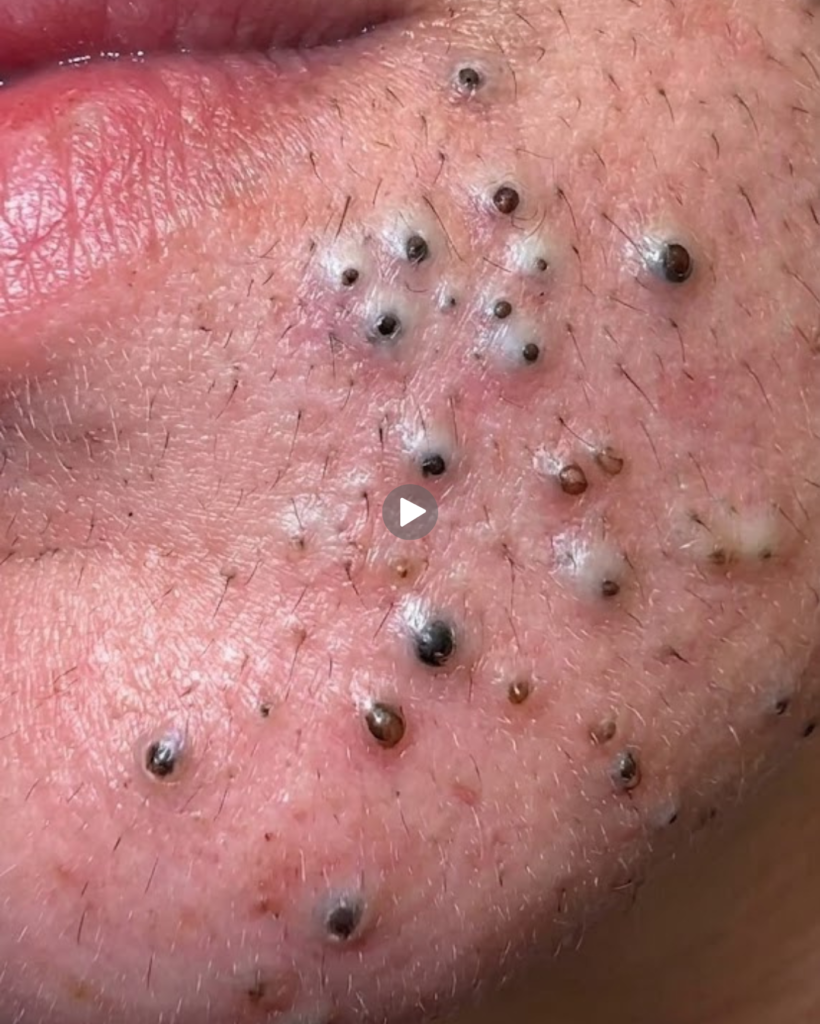
The teenage years are an exciting time, but they often come with skin challenges such as acne, oily skin, blackheads, and occasional breakouts. During puberty, hormonal changes increase oil (sebum) production, making the skin more prone to clogged pores and pimples.
The good news is that a consistent skincare routine and healthy lifestyle habits can help teenagers maintain clear, healthy skin. You don’t need an expensive collection of products—simple, gentle skincare is usually the most effective.
This guide covers the best skincare tips for teenagers, including daily routines, product recommendations, healthy habits, and common mistakes to avoid.
Why Teenagers Experience Skin Problems
During puberty, the body produces more hormones called androgens. These hormones stimulate the skin’s oil glands, leading to increased sebum production. Excess oil can mix with dead skin cells and clog pores, creating an environment where acne-causing bacteria can grow.
Common factors that affect teenage skin include:
- Hormonal changes
- Excess oil production
- Sweat
- Dirt and pollution
- Poor skincare habits
- Stress
- Lack of sleep
- Diet
- Genetics
Understanding these factors can help teenagers take better care of their skin.
1. Cleanse Your Face Twice Daily
Cleansing removes dirt, oil, sweat, sunscreen, and other impurities that build up throughout the day.
Tips for Cleansing
- Wash your face every morning and evening.
- Use a gentle, fragrance-free cleanser.
- Wash with lukewarm water.
- Avoid scrubbing your skin aggressively.
- Pat your face dry with a clean towel.
Overwashing can strip the skin of its natural oils and may lead to irritation.
2. Moisturize Every Day
Many teenagers think moisturizer causes pimples, but skipping moisturizer can actually make some skin types feel drier or irritated.
Choose a lightweight, non-comedogenic moisturizer that won’t clog pores.
Benefits include:
- Keeps skin hydrated
- Supports the skin barrier
- Reduces dryness from acne treatments
- Improves skin texture
3. Wear Sunscreen Every Morning
Sun protection is one of the most important steps in any skincare routine.
Choose:
- Broad-spectrum sunscreen
- SPF 30 or higher
- Oil-free or non-comedogenic formula
Daily sunscreen helps protect against sunburn, uneven skin tone, and long-term skin damage.
4. Don’t Pick or Pop Pimples
Picking pimples can:
- Increase inflammation
- Spread bacteria
- Delay healing
- Cause permanent scars
- Lead to dark spots
Instead, allow pimples to heal naturally or use appropriate acne treatments if recommended.
5. Use Acne Products Carefully
If you have mild acne, over-the-counter products containing ingredients such as salicylic acid or benzoyl peroxide may help.
When trying a new acne product:
- Start slowly.
- Follow the product instructions.
- Avoid using multiple strong treatments at the same time.
- Stop use if severe irritation develops and seek medical advice if needed.
6. Keep Your Hands Away from Your Face
Hands carry bacteria, oil, and dirt that can transfer to your skin.
Avoid touching your face throughout the day unless your hands are clean.
7. Drink Plenty of Water
Staying hydrated supports overall health and helps your skin function properly.
Carry a reusable water bottle and drink fluids regularly throughout the day.
8. Eat a Balanced Diet
Healthy eating supports healthy skin.
Include:
- Fresh fruits
- Vegetables
- Whole grains
- Lean protein
- Fish
- Nuts
- Seeds
Try to limit sugary drinks and highly processed snacks if you notice they affect your skin.
9. Get Enough Sleep
Sleep allows your body and skin to recover.
Teenagers generally need about 8–10 hours of sleep each night.
Good sleep habits may help reduce stress and support overall skin health.
10. Exercise Regularly
Exercise improves circulation and supports overall well-being.
After exercising:
- Wash your face if it’s sweaty.
- Shower if possible.
- Change into clean clothes.
This can help reduce irritation caused by sweat.
11. Keep Hair Clean
Hair products and excess oil can transfer to your face.
If you have oily hair:
- Wash it regularly.
- Keep long hair away from your face when possible.
- Avoid heavy styling products touching facial skin.
12. Change Pillowcases Regularly
Pillowcases collect oil, sweat, and dirt over time.
Wash them at least once a week, or more often if you have oily or acne-prone skin.
13. Choose Non-Comedogenic Products
Look for products labeled:
- Non-comedogenic
- Oil-free
- Fragrance-free (if your skin is sensitive)
These products are less likely to clog pores.
A Simple Morning Skincare Routine
- Gentle cleanser
- Lightweight moisturizer
- Sunscreen SPF 30+
This routine takes only a few minutes and provides daily protection.
A Simple Night Skincare Routine
- Wash your face with a gentle cleanser.
- Apply acne treatment if needed.
- Moisturize.
Keeping your nighttime routine simple can improve consistency.
Common Teenage Skincare Mistakes
Avoid these habits:
- Washing your face too often
- Scrubbing too hard
- Sleeping with makeup on
- Sharing makeup or towels
- Using harsh DIY remedies like lemon juice or toothpaste on pimples
- Skipping sunscreen
- Picking at acne
Gentle care is usually more effective than aggressive treatments.
When to See a Dermatologist
Consult a dermatologist if you have:
- Painful or cystic acne
- Acne that leaves scars
- Acne that doesn’t improve after several weeks of proper care
- Sudden severe skin irritation
- Persistent rashes or unusual skin changes
Early treatment can help prevent long-term skin damage and scarring.
Frequently Asked Questions
What is the best skincare routine for teenagers?
A simple routine includes cleansing twice daily, moisturizing, applying sunscreen every morning, and using acne treatments only when needed.
Can teenagers use anti-aging products?
Most teenagers do not need anti-aging products. A gentle cleanser, moisturizer, and sunscreen are usually enough unless a healthcare professional recommends otherwise.
How often should teenagers wash their face?
Most teenagers should wash their face twice daily and after heavy sweating.
Is sunscreen necessary for teenagers?
Yes. Daily sunscreen helps protect the skin from UV damage and supports long-term skin health.
Conclusion
Healthy skin starts with simple daily habits rather than expensive products. Teenagers can improve their skin by cleansing gently, moisturizing daily, wearing sunscreen, eating a balanced diet, staying hydrated, getting enough sleep, and avoiding the temptation to pick at pimples.
Remember that everyone’s skin is different, and occasional breakouts are a normal part of growing up. Consistency is the key to achieving clearer, healthier skin over time. If acne becomes severe or starts causing scars, seek advice from a dermatologist for personalized treatment.
