

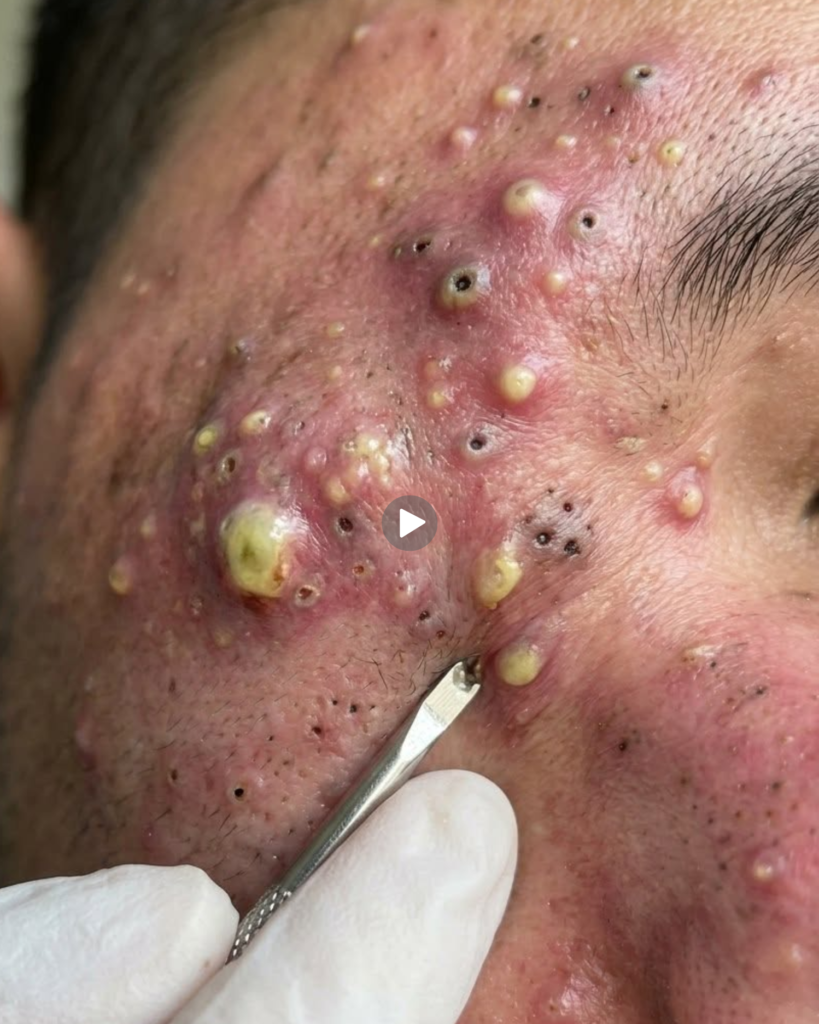
Healthy skin starts with a strong skin barrier. Many people spend hundreds of dollars on skincare products without realizing that their damaged skin barrier is the real reason behind dryness, irritation, redness, acne, and sensitivity.
Your skin barrier acts like a protective shield. It locks in moisture while keeping harmful bacteria, pollution, allergens, and irritants out. When this barrier becomes weak, your skin can no longer protect itself properly.
In this comprehensive guide, you’ll learn the signs of a damaged skin barrier, what causes it, how to repair it naturally, and the best skincare routine to restore healthy, glowing skin.
What Is the Skin Barrier?
The skin barrier is the outermost layer of your skin, also known as the stratum corneum. It consists of skin cells held together by natural lipids such as:
- Ceramides
- Cholesterol
- Fatty acids
Think of it like a brick wall:
- Skin cells = Bricks
- Natural oils = Cement
When the “cement” becomes damaged, moisture escapes and irritants enter your skin more easily.
A healthy skin barrier helps:
- Retain moisture
- Protect against bacteria
- Reduce inflammation
- Prevent irritation
- Keep skin smooth and healthy
Signs Your Skin Barrier Needs Repair
Here are the most common symptoms of a damaged skin barrier.
1. Constant Dryness
If your skin feels dry immediately after applying moisturizer, your barrier may not be able to retain moisture.
Signs include:
- Tight skin
- Rough texture
- Flaky patches
2. Redness and Irritation
Damaged skin becomes more sensitive to everyday products.
You may notice:
- Red patches
- Burning sensation
- Stinging after washing your face
3. Increased Sensitivity
Products you once loved suddenly start causing discomfort.
Examples include:
- Vitamin C
- Retinol
- Exfoliating acids
- Fragrance-containing skincare
4. Itchy Skin
When moisture escapes from your skin, itching often develops.
Persistent itching may indicate your skin barrier is compromised.
5. Breakouts That Won’t Heal
A damaged barrier allows bacteria to enter more easily.
This can lead to:
- Pimples
- Acne
- Inflammation
- Slow healing
6. Excess Oil Production
Ironically, oily skin can also signal barrier damage.
When your skin becomes dehydrated, it may produce extra oil to compensate.
7. Flaky Skin
Flaking isn’t always caused by dryness.
It can happen because your damaged barrier is shedding unhealthy skin cells faster than normal.
8. Tight Feeling After Cleansing
Healthy skin should feel comfortable after washing.
If your face feels extremely tight or uncomfortable, your cleanser may be damaging your skin barrier.
9. Burning After Applying Products
A healthy skin barrier tolerates skincare well.
If moisturizer burns or stings, it’s often a warning sign that your barrier needs repair.
10. Dull Complexion
Healthy skin reflects light.
Damaged skin often looks:
- Dull
- Tired
- Rough
- Uneven
Common Causes of Skin Barrier Damage
Understanding the causes can help prevent future damage.
Over-Exfoliation
Using scrubs or chemical exfoliants too frequently removes protective oils.
Avoid excessive use of:
- AHAs
- BHAs
- Physical scrubs
Overwashing
Washing your face multiple times a day strips away natural oils.
Experts generally recommend cleansing twice daily unless otherwise advised.
Harsh Cleansers
Products containing strong sulfates or high alcohol content can weaken the skin barrier.
Choose gentle, hydrating cleansers instead.
Excessive Sun Exposure
UV rays break down collagen and damage the skin’s protective layer.
Daily sunscreen is essential.
Cold Weather
Winter air has less humidity, making moisture loss more likely.
Your skin may become:
- Dry
- Cracked
- Irritated
Hot Showers
Very hot water removes natural oils that protect your skin.
Use lukewarm water whenever possible.
Stress
Chronic stress can affect hormone levels and increase inflammation, making it harder for the skin barrier to recover.
Poor Diet
Your skin needs healthy fats, vitamins, and antioxidants to maintain a strong barrier.
A nutrient-poor diet can slow repair.
How to Repair a Damaged Skin Barrier
Fortunately, your skin barrier can often recover with proper care.
1. Simplify Your Skincare Routine
Use only the essentials:
- Gentle cleanser
- Moisturizer
- Sunscreen
Avoid trying too many new products at once.
2. Use a Ceramide Moisturizer
Ceramides help restore the skin’s natural protective layer.
Look for moisturizers that also contain:
- Cholesterol
- Fatty acids
- Glycerin
- Hyaluronic acid
3. Stop Over-Exfoliating
Pause exfoliation for one to two weeks if your skin feels irritated.
When you resume, exfoliate only once or twice weekly unless directed otherwise.
4. Wear Sunscreen Daily
Choose a broad-spectrum SPF 30 or higher every day, even when it’s cloudy.
Sun protection prevents further barrier damage.
5. Avoid Fragranced Products
Fragrance can trigger irritation in sensitive skin.
Choose fragrance-free skincare whenever possible.
6. Keep Skin Hydrated
Drink enough water and apply moisturizer while your skin is still slightly damp after cleansing.
7. Add Hydrating Ingredients
Look for products containing:
- Hyaluronic acid
- Glycerin
- Panthenol
- Squalane
- Aloe vera
These ingredients help attract and retain moisture.
8. Get Enough Sleep
Your skin repairs itself while you sleep.
Aim for 7–9 hours of quality sleep each night.
Best Ingredients for Skin Barrier Repair
These ingredients are especially beneficial for restoring a healthy skin barrier.
Ceramides
Rebuild the skin’s protective layer.
Niacinamide
Helps reduce inflammation, strengthens the barrier, and supports moisture retention.
Hyaluronic Acid
Provides deep hydration by attracting water to the skin.
Glycerin
Acts as a humectant to keep skin moisturized.
Squalane
Softens and nourishes the skin without feeling greasy.
Panthenol (Vitamin B5)
Calms irritation and supports skin healing.
Colloidal Oatmeal
Reduces itching and soothes inflamed skin.
Ingredients to Avoid During Skin Barrier Repair
Temporarily avoid products that may further irritate your skin, including:
- Strong retinoids
- High-strength glycolic acid
- Salicylic acid (if causing irritation)
- Alcohol-based toners
- Physical scrubs
- Highly fragranced skincare
Once your skin has recovered, you can gradually reintroduce active ingredients if they suit your skin.
Daily Skin Barrier Repair Routine
Morning Routine
- Gentle cleanser
- Hydrating serum
- Ceramide moisturizer
- SPF 30+ sunscreen
Evening Routine
- Gentle cleanser
- Hydrating serum
- Rich moisturizer
- Optional occlusive layer (such as petrolatum) if your skin is very dry
Foods That Support Skin Barrier Health
A balanced diet can support healthy skin.
Include:
- Salmon
- Avocados
- Walnuts
- Almonds
- Olive oil
- Eggs
- Leafy greens
- Sweet potatoes
- Blueberries
- Citrus fruits
These foods provide healthy fats, antioxidants, vitamins, and minerals important for skin repair.
Lifestyle Tips for Healthier Skin
- Stay hydrated.
- Manage stress with relaxation techniques.
- Avoid smoking.
- Limit alcohol consumption.
- Sleep 7–9 hours nightly.
- Exercise regularly.
- Use a humidifier in dry environments.
How Long Does Skin Barrier Repair Take?
Recovery time depends on the severity of the damage.
Typical timelines:
- Mild damage: 1–2 weeks
- Moderate damage: 2–6 weeks
- Severe damage: Several months
Consistency is key. Avoid switching products too often during the healing process.
When Should You See a Dermatologist?
Consult a dermatologist if:
- Symptoms worsen despite gentle care.
- Skin becomes painful or swollen.
- You develop signs of infection.
- Severe redness or peeling persists.
- Chronic eczema or other skin conditions are suspected.
Professional guidance can help identify underlying issues and recommend appropriate treatment.
Frequently Asked Questions (FAQs)
Can a damaged skin barrier heal itself?
Yes. With a gentle skincare routine and by avoiding irritants, the skin barrier can often repair itself over time.
Is oily skin a sign of a damaged barrier?
It can be. Dehydrated skin may produce extra oil to compensate for moisture loss.
Can I use retinol while repairing my skin barrier?
It’s generally best to pause retinol until your skin feels comfortable and no longer shows signs of irritation.
Which ingredient is best for repairing the skin barrier?
Ceramides are among the most effective ingredients because they help replenish the skin’s natural protective lipids.
How do I know my skin barrier has healed?
Signs of recovery include:
- Less redness
- Improved hydration
- Reduced sensitivity
- Smoother texture
- Healthier-looking skin
Final Thoughts
Your skin barrier is the foundation of healthy, resilient skin. When it’s damaged, even the most expensive skincare products may not deliver the results you expect. By recognizing the early warning signs, simplifying your routine, using barrier-supporting ingredients like ceramides and glycerin, and protecting your skin from unnecessary irritation, you can help restore its natural defenses.
Healthy skin isn’t about using more products—it’s about using the right ones consistently. Give your skin time to recover, stay patient, and focus on hydration and protection. A strong skin barrier will reward you with smoother texture, better moisture retention, reduced sensitivity, and a naturally radiant complexion.
