

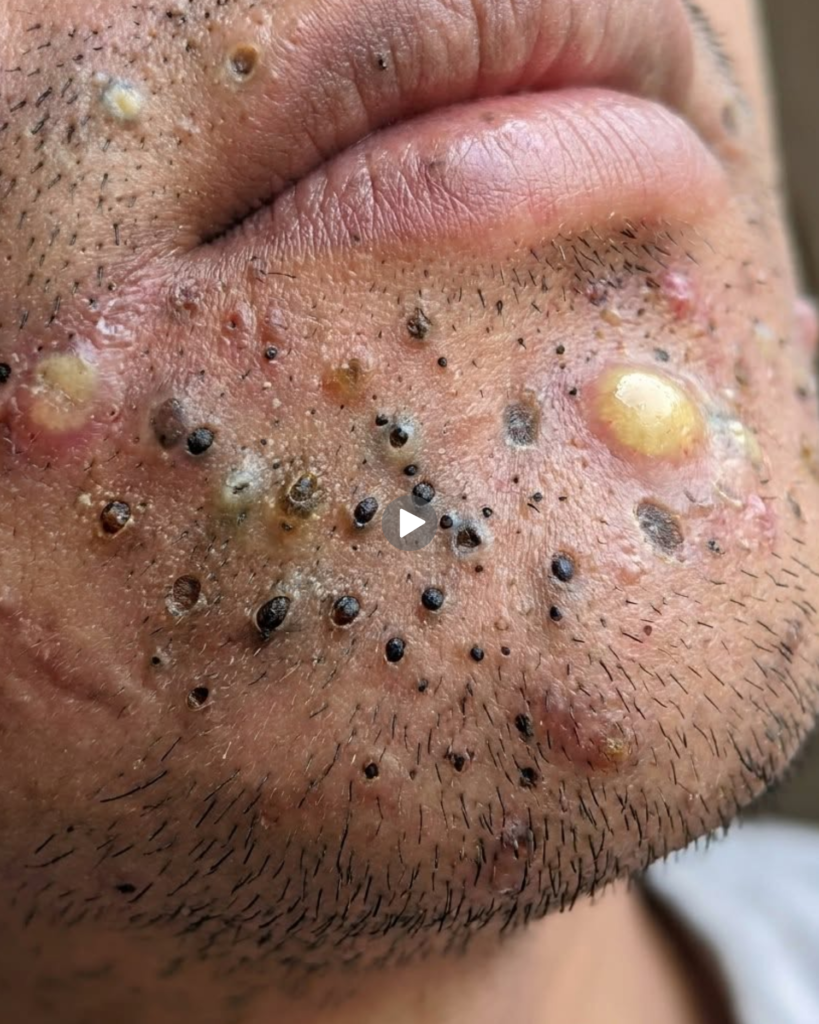
Sensitive skin requires extra care because it reacts more easily to certain skincare products, cosmetics, and environmental factors. Many people experience redness, itching, dryness, burning, or irritation without realizing that a common ingredient in their favorite product is the cause.
Understanding which ingredients can trigger sensitive skin is the first step toward building a safe and effective skincare routine. This guide explains the most common skin irritants, how they affect your skin, and what ingredients you should look for instead.
Whether you have naturally sensitive skin or your skin barrier has been damaged, this article will help you make informed skincare choices.
Table of Contents
- What Is Sensitive Skin?
- Signs of Sensitive Skin
- Common Ingredients That Can Irritate Sensitive Skin
- Ingredients That Are Usually Safe
- Tips for Choosing Gentle Skincare Products
- How to Patch Test New Products
- Frequently Asked Questions
- Conclusion
What Is Sensitive Skin?
Sensitive skin is not a medical diagnosis but a skin condition where the skin reacts easily to products, weather changes, pollution, or allergens. People with sensitive skin often have a weakened skin barrier, allowing irritants to penetrate more easily.
Common symptoms include:
- Redness
- Burning sensation
- Itching
- Dry patches
- Flaking
- Tightness
- Stinging after applying skincare products
People with eczema, rosacea, psoriasis, or allergies are more likely to experience sensitive skin.
Signs Your Skin Is Sensitive
You may have sensitive skin if you frequently experience:
- Burning after washing your face
- Redness after using skincare products
- Itchy skin without a visible rash
- Dryness that doesn’t improve easily
- Reactions to perfumes or cosmetics
- Skin irritation after sun exposure
If these symptoms occur regularly, it’s important to simplify your skincare routine and avoid harsh ingredients.
Common Ingredients That Can Irritate Sensitive Skin
1. Fragrance (Parfum)
Fragrance is one of the most common causes of skin irritation.
Although products smell pleasant, synthetic fragrances often contain dozens of chemicals that can trigger allergic reactions.
Possible Side Effects
- Redness
- Itching
- Burning
- Contact dermatitis
- Skin inflammation
Choose products labeled:
- Fragrance-Free
- No Added Fragrance
Avoid products that only say “Unscented,” as they may still contain masking fragrances.
2. Alcohol (Denatured Alcohol)
Not every alcohol is harmful, but drying alcohols can damage the skin barrier.
Examples include:
- Alcohol Denat.
- Ethanol
- Isopropyl Alcohol
These ingredients remove natural oils from the skin, causing dryness and irritation.
Better Alternatives
Look for fatty alcohols like:
- Cetyl Alcohol
- Stearyl Alcohol
- Cetearyl Alcohol
These are moisturizing rather than drying.
3. Essential Oils
Natural doesn’t always mean gentle.
Essential oils such as:
- Tea Tree Oil
- Peppermint Oil
- Lemon Oil
- Eucalyptus Oil
- Cinnamon Oil
- Lavender Oil
can irritate sensitive skin, especially when used in high concentrations.
People with allergies should be especially cautious.
4. Sulfates
Sulfates are cleansing agents that create foam.
Common examples include:
- Sodium Lauryl Sulfate (SLS)
- Sodium Laureth Sulfate (SLES)
While effective cleansers, they can strip away the skin’s protective oils.
Possible effects include:
- Dryness
- Tightness
- Irritation
- Redness
Gentle sulfate-free cleansers are a better option for sensitive skin.
5. Harsh Physical Exfoliants
Scrubs containing:
- Walnut shells
- Apricot kernels
- Large sugar crystals
can create tiny tears in the skin.
Instead, choose gentle chemical exfoliants in low concentrations, such as:
- Lactic Acid
- Polyhydroxy Acids (PHAs)
Use exfoliants only once or twice a week.
6. Strong Acids
Acids improve skin texture but may irritate sensitive skin if overused.
Examples include:
- Glycolic Acid
- Salicylic Acid
- High-strength Lactic Acid
Use lower concentrations and avoid combining multiple exfoliating acids in one routine.
7. Retinoids
Retinol and prescription retinoids are excellent anti-aging ingredients but often cause:
- Dryness
- Peeling
- Flaking
- Redness
Sensitive skin users should:
- Start slowly
- Apply moisturizer before and after retinol (the “sandwich” method)
- Use it only a few nights per week
8. Benzoyl Peroxide
A common acne treatment, benzoyl peroxide effectively kills acne-causing bacteria but may also cause:
- Peeling
- Dryness
- Burning
- Irritation
If you have sensitive skin, begin with a lower strength (2.5%) and moisturize well.
9. Artificial Colors
Artificial dyes are added to improve product appearance but provide no skincare benefits.
Some people experience allergic reactions to color additives, making dye-free products a safer choice.
10. Formaldehyde-Releasing Preservatives
Certain preservatives slowly release formaldehyde to prevent bacterial growth.
Examples include:
- DMDM Hydantoin
- Imidazolidinyl Urea
- Diazolidinyl Urea
- Quaternium-15
These ingredients may trigger allergic contact dermatitis in sensitive individuals.
11. Methylisothiazolinone (MI)
This preservative has become a well-known cause of skin allergies.
It may cause:
- Severe itching
- Redness
- Rash
- Swelling
Many dermatologists recommend avoiding products containing MI if you have sensitive skin.
12. High Concentrations of Vitamin C
Vitamin C is beneficial, but highly acidic forms can sting sensitive skin.
If irritation occurs, consider gentler derivatives like:
- Sodium Ascorbyl Phosphate
- Magnesium Ascorbyl Phosphate
13. Witch Hazel
While often marketed as soothing, some witch hazel products contain alcohol, which can dry out sensitive skin.
Alcohol-free versions are a better option.
14. Menthol and Camphor
Cooling ingredients such as menthol and camphor create a refreshing sensation but can irritate delicate skin.
These ingredients are best avoided if your skin is reactive.
Ingredients That Are Usually Safe for Sensitive Skin
Look for products containing:
- Ceramides
- Glycerin
- Hyaluronic Acid
- Squalane
- Colloidal Oatmeal
- Panthenol (Vitamin B5)
- Aloe Vera
- Niacinamide (in moderate concentrations)
- Allantoin
- Shea Butter
These ingredients help repair the skin barrier and reduce irritation.
How to Read Ingredient Labels
When shopping for skincare:
- Read the full ingredient list.
- Avoid products with multiple fragrances.
- Choose shorter ingredient lists when possible.
- Select products labeled for sensitive skin.
- Look for dermatologist-tested formulas.
- Avoid unnecessary active ingredients if your skin is already irritated.
How to Patch Test New Products
Before applying a new skincare product to your face:
- Apply a small amount behind your ear or on your inner forearm.
- Leave it on for 24–48 hours.
- Watch for redness, itching, burning, or swelling.
- If no reaction occurs, begin using it on your face gradually.
Patch testing reduces the risk of a full-face reaction.
Daily Skincare Routine for Sensitive Skin
Morning
- Gentle cleanser
- Hydrating serum
- Moisturizer with ceramides
- Broad-spectrum SPF 30 or higher sunscreen
Evening
- Gentle cleanser
- Barrier-repair moisturizer
- Optional treatment recommended by a dermatologist
Keep your routine simple and avoid layering too many active ingredients.
Tips to Prevent Skin Irritation
- Wash with lukewarm water.
- Avoid over-cleansing.
- Moisturize immediately after washing.
- Use fragrance-free products.
- Don’t over-exfoliate.
- Protect your skin from the sun.
- Introduce one new product at a time.
- Stop using any product that causes burning or persistent redness.
Frequently Asked Questions
Can natural ingredients still irritate sensitive skin?
Yes. Natural ingredients like essential oils, citrus extracts, and certain plant extracts can trigger irritation or allergic reactions.
Is fragrance-free better than unscented?
Yes. “Fragrance-free” means no fragrance has been added, while “unscented” products may still contain masking fragrances.
Should people with sensitive skin avoid all active ingredients?
No. Many active ingredients can be used safely in lower concentrations and with proper guidance. Start slowly and monitor your skin’s response.
How can I repair my skin barrier?
Use gentle cleansers, apply moisturizers containing ceramides and glycerin, avoid harsh exfoliants, and wear sunscreen daily. Consistency is key to restoring the skin barrier.
Conclusion
Sensitive skin requires thoughtful care and careful product selection. Many everyday skincare products contain ingredients such as fragrance, sulfates, drying alcohols, essential oils, harsh exfoliants, and strong active ingredients that can weaken the skin barrier and trigger irritation.
The best approach is to keep your routine simple, prioritize fragrance-free and barrier-supporting products, patch test anything new, and introduce active ingredients gradually. By learning to recognize common irritants and choosing gentle alternatives, you can reduce redness, discomfort, and dryness while maintaining healthy, resilient skin over time.
