

Introduction
Pregnancy is a beautiful journey that brings many changes to a woman’s body. While many women expect changes such as weight gain, morning sickness, and fatigue, skin changes can also be surprising. One common concern is the appearance of pimples, acne, or small bumps on the skin during or after pregnancy. These skin breakouts can affect the face, neck, chest, back, and even other parts of the body.
If you have noticed skin breakouts after pregnancy, you are not alone. Many women experience this condition due to hormonal fluctuations, stress, lack of sleep, and changes in skincare routines. Understanding the causes and learning effective treatments can help restore healthy and clear skin.
Why Do Skin Breakouts Appear After Pregnancy?
After giving birth, a woman’s body goes through significant hormonal changes. During pregnancy, hormone levels remain elevated, but after delivery, these hormones rapidly decrease. This sudden shift can affect the skin and trigger breakouts.
Hormonal Changes
Hormones play a major role in skin health. Increased levels of hormones can stimulate oil glands, causing excess sebum production. When oil mixes with dead skin cells and bacteria, pores become clogged, leading to pimples and acne.
Stress and Sleep Deprivation
New mothers often experience stress and lack of sleep while caring for a newborn. Stress can increase cortisol levels, which may worsen acne and skin inflammation.
Nutritional Deficiencies
After pregnancy, some women may not get enough essential nutrients due to dietary changes or breastfeeding demands. A lack of vitamins and minerals can impact skin health and slow healing.
Changes in Skincare Routine
Many mothers focus on caring for their baby and may neglect their skincare routine. Skipping cleansing or moisturizing can contribute to clogged pores and breakouts.
Common Types of Post-Pregnancy Skin Breakouts
Acne
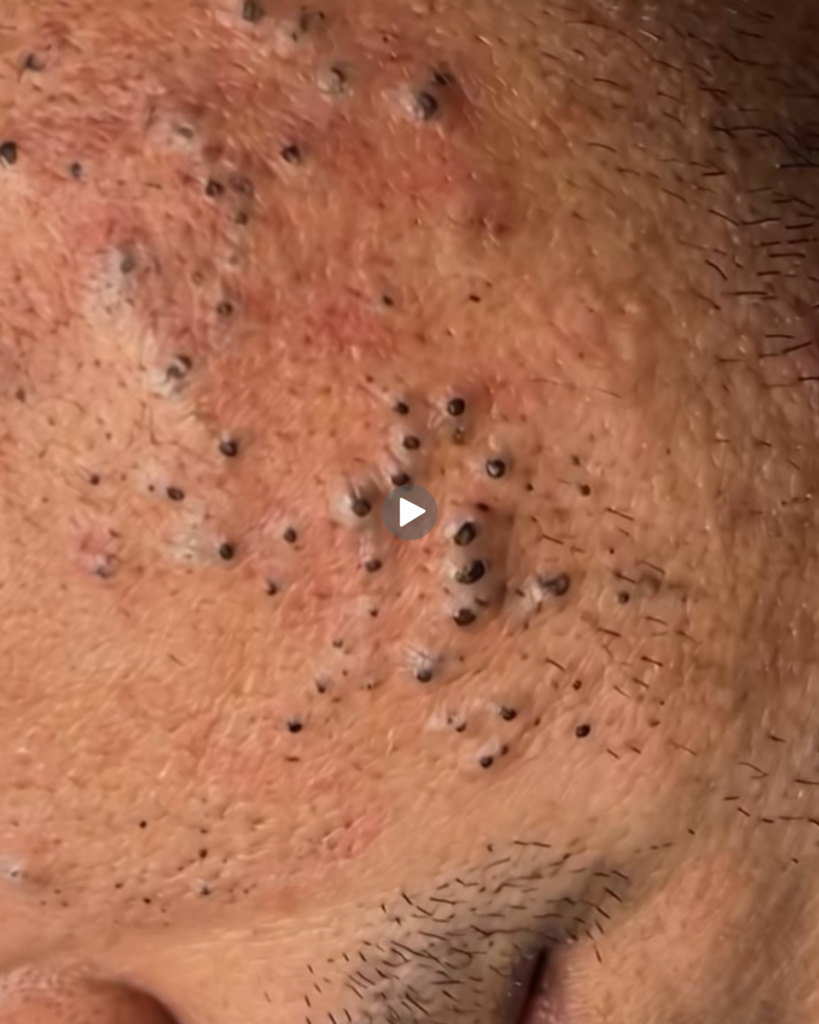
Acne is one of the most common skin problems after pregnancy. It may appear as blackheads, whiteheads, papules, pustules, or cystic acne.
Small Red Bumps
Some women develop tiny red bumps due to hormonal fluctuations or skin irritation.
Milia
Milia are small white bumps that appear when dead skin cells become trapped under the skin.
Folliculitis
Folliculitis occurs when hair follicles become inflamed, resulting in red, itchy bumps.
Symptoms of Postpartum Skin Breakouts
The symptoms may vary depending on the type and severity of the breakout.
Common symptoms include:
- Red pimples
- Whiteheads and blackheads
- Oily skin
- Skin inflammation
- Painful cysts
- Itching or irritation
- Uneven skin texture
- Dark spots after acne heals
Areas Commonly Affected
Post-pregnancy skin breakouts can occur on:
- Face
- Forehead
- Chin
- Jawline
- Neck
- Chest
- Back
- Shoulders
The jawline and chin are especially common areas because hormonal acne often develops there.
How to Treat Skin Breakouts After Pregnancy
1. Follow a Gentle Cleansing Routine
Wash your face twice daily with a mild cleanser. Avoid harsh scrubs that can irritate the skin and worsen acne.
2. Use Non-Comedogenic Products
Choose skincare products labeled “non-comedogenic,” which means they won’t clog pores.
3. Stay Hydrated
Drinking enough water helps maintain healthy skin and supports the body’s natural detoxification process.
4. Eat a Balanced Diet
Consume foods rich in vitamins, minerals, and antioxidants.
Healthy foods include:
- Fruits
- Vegetables
- Whole grains
- Lean proteins
- Nuts and seeds
5. Avoid Touching Your Face
Touching your face frequently can transfer bacteria and oils, increasing the risk of breakouts.
6. Manage Stress
Practice relaxation techniques such as:
- Deep breathing
- Meditation
- Light exercise
- Walking
Reducing stress may help improve skin conditions.
7. Get Adequate Sleep
Although challenging with a newborn, sufficient rest supports hormone balance and skin repair.
Safe Skincare Ingredients After Pregnancy
Many women wonder which ingredients are safe while breastfeeding.
Generally safe options include:
Niacinamide
Niacinamide helps reduce inflammation, redness, and excess oil production.
Hyaluronic Acid
This ingredient hydrates the skin without clogging pores.
Azelaic Acid
Azelaic acid can help reduce acne and improve skin tone.
Vitamin C
Vitamin C supports collagen production and helps fade dark spots.
Always consult your healthcare provider before starting new skincare treatments, especially while breastfeeding.
Natural Remedies for Post-Pregnancy Acne
Aloe Vera
Aloe vera contains soothing properties that may help reduce redness and inflammation.
Honey Mask
Honey has natural antibacterial properties that may support acne-prone skin.
Green Tea
Applying cooled green tea to the skin may help reduce inflammation and excess oil.
Oatmeal Mask
Oatmeal can soothe irritated skin and reduce redness.
Foods That Support Healthy Skin
Nutrition plays a key role in skin recovery after pregnancy.
Omega-3 Rich Foods
Examples include:
- Salmon
- Sardines
- Chia seeds
- Flaxseeds
Vitamin A Sources
Vitamin A supports skin cell renewal.
Sources include:
- Sweet potatoes
- Carrots
- Spinach
Zinc-Rich Foods
Zinc may help reduce inflammation and support acne healing.
Examples include:
- Pumpkin seeds
- Beans
- Lentils
- Nuts
When to See a Doctor
While mild breakouts often improve over time, some situations require professional care.
Consult a dermatologist if:
- Acne becomes severe
- Painful cysts develop
- Breakouts continue for several months
- Over-the-counter treatments do not help
- Skin becomes infected
A healthcare professional can recommend safe treatment options based on your individual situation.
How Long Do Postpartum Breakouts Last?
The duration varies from person to person. Some women notice improvement within a few weeks, while others may experience breakouts for several months.
Factors affecting recovery include:
- Hormonal balance
- Genetics
- Stress levels
- Diet
- Sleep quality
- Skincare routine
Patience and consistent care are important for achieving healthy skin.
Preventing Future Skin Breakouts
You can reduce the risk of future breakouts by following these habits:
- Cleanse your skin daily
- Stay hydrated
- Eat nutritious foods
- Avoid excessive sugar intake
- Get enough rest
- Manage stress
- Use gentle skincare products
- Avoid picking or squeezing pimples
Conclusion
Skin breakouts after pregnancy are a common concern and are usually linked to hormonal changes, stress, lack of sleep, and increased oil production. While these changes can be frustrating, most cases improve with proper skincare, a healthy lifestyle, and patience.
Maintaining a gentle skincare routine, eating a balanced diet, staying hydrated, and managing stress can help restore clear and healthy skin. If breakouts become severe or persist for a long time, consulting a dermatologist is the best way to receive appropriate treatment.
Remember that your body has gone through an incredible transformation during pregnancy and childbirth. With proper care and time, your skin can regain its natural glow and health.
