

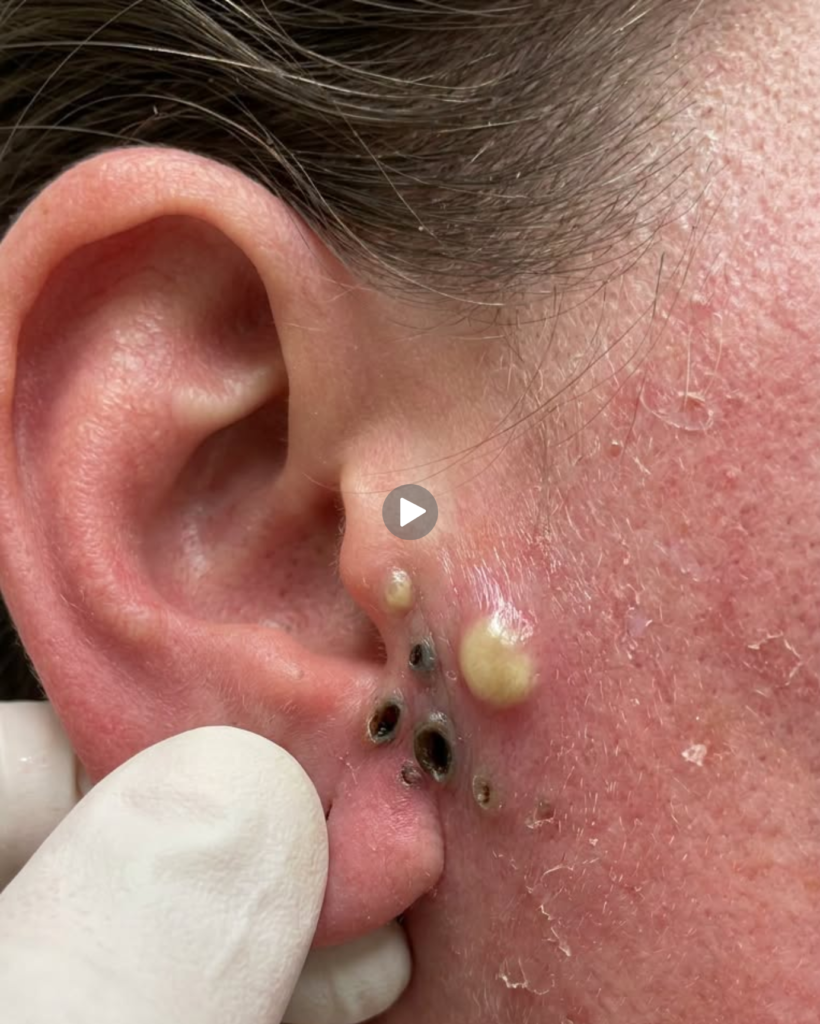
Acne is one of the most common skin concerns worldwide, affecting teenagers and adults alike. While pimples themselves can be frustrating, the redness and inflammation they leave behind often make acne appear much worse. Fortunately, learning how to reduce redness from acne can help your skin look healthier and recover faster.
Acne redness occurs because your body’s immune system sends extra blood flow to inflamed pores while fighting bacteria. With the right skincare routine, healthy lifestyle habits, and targeted treatments, you can significantly reduce redness and improve your overall complexion.
This guide explains the causes of acne redness, effective home remedies, dermatologist-recommended treatments, and prevention tips for clearer, calmer skin.
What Causes Acne Redness?
Understanding the cause is the first step toward effective treatment.
Common causes include:
- Inflammation caused by clogged pores
- Acne-causing bacteria (Cutibacterium acnes)
- Picking or squeezing pimples
- Skin irritation from harsh products
- Allergic reactions
- Hormonal fluctuations
- Excessive sun exposure
Inflammation increases blood circulation around the affected area, making pimples appear bright red and swollen.
1. Apply a Cold Compress
One of the fastest ways to reduce redness is using a cold compress.
Cold temperatures help:
- Shrink blood vessels
- Reduce swelling
- Calm irritation
- Relieve discomfort
Wrap an ice cube in a clean cloth and apply it to the affected area for 1–2 minutes. Repeat several times daily if needed. Avoid placing ice directly on your skin.
2. Use a Gentle Cleanser
Harsh cleansers can strip your skin’s natural oils, causing more irritation and redness.
Choose a cleanser that is:
- Fragrance-free
- Non-comedogenic
- Sulfate-free
- Designed for sensitive skin
Wash your face twice daily using lukewarm water instead of hot water, which can worsen inflammation.
3. Moisturize Every Day
Many people with acne skip moisturizer because they fear oily skin.
In reality, dehydration can increase irritation.
A lightweight moisturizer helps:
- Repair the skin barrier
- Reduce redness
- Lock in hydration
- Improve healing
Look for ingredients like:
- Ceramides
- Hyaluronic acid
- Glycerin
- Niacinamide
4. Try Niacinamide
Niacinamide (Vitamin B3) is one of the best skincare ingredients for reducing acne redness.
Benefits include:
- Calms inflammation
- Strengthens the skin barrier
- Controls oil production
- Fades post-acne marks
- Improves uneven skin tone
Products containing 5–10% niacinamide are generally suitable for most skin types.
5. Use Salicylic Acid Carefully
Salicylic acid is a beta hydroxy acid (BHA) that penetrates pores and removes excess oil.
It helps by:
- Unclogging pores
- Reducing inflammation
- Preventing future breakouts
- Decreasing redness over time
Use it once daily or every other day to avoid over-drying the skin.
6. Apply Aloe Vera Gel
Pure aloe vera is known for its soothing and healing properties.
Benefits include:
- Reduces inflammation
- Hydrates the skin
- Speeds healing
- Relieves irritation
- Helps fade redness
Use 100% pure aloe vera gel after cleansing your face.
7. Protect Your Skin with Sunscreen
Sun exposure can make acne redness worse and lead to long-lasting dark spots.
Choose a sunscreen that is:
- SPF 30 or higher
- Oil-free
- Non-comedogenic
- Broad-spectrum
Daily sunscreen use helps prevent inflammation from worsening and protects healing skin.
8. Avoid Picking or Popping Pimples
One of the biggest mistakes people make is squeezing pimples.
Picking acne can:
- Increase inflammation
- Cause bleeding
- Spread bacteria
- Delay healing
- Lead to permanent scars
Instead, use acne spot treatments and allow blemishes to heal naturally.
9. Consider Natural Remedies
Some natural ingredients may help soothe mild acne redness.
Green Tea
Rich in antioxidants that reduce inflammation.
Honey
Has antibacterial properties and helps moisturize the skin.
Oatmeal
Calms irritated skin and reduces redness.
Chamomile
Contains anti-inflammatory compounds that soothe sensitive skin.
Always perform a patch test before applying natural remedies to your face.
10. Follow a Healthy Lifestyle
Healthy habits support better skin from the inside out.
Eat Anti-Inflammatory Foods
Include:
- Leafy greens
- Berries
- Tomatoes
- Fatty fish
- Nuts
- Seeds
Drink More Water
Proper hydration supports skin healing and overall health.
Get Enough Sleep
Aim for 7–9 hours of quality sleep each night.
Manage Stress
High stress levels can trigger hormonal changes that worsen acne.
Try:
- Meditation
- Yoga
- Deep breathing
- Walking
- Regular exercise
Ingredients That Help Reduce Acne Redness
Look for skincare products containing:
- Niacinamide
- Azelaic Acid
- Centella Asiatica (Cica)
- Ceramides
- Green Tea Extract
- Hyaluronic Acid
- Panthenol
- Zinc PCA
These ingredients help calm inflammation while supporting skin repair.
Ingredients to Avoid
If your skin is already inflamed, avoid products containing:
- High concentrations of alcohol
- Strong fragrances
- Physical scrubs
- Harsh exfoliants
- Overuse of benzoyl peroxide
- Excessive retinol use without guidance
Overusing active ingredients can worsen redness.
Daily Skincare Routine for Acne Redness
Morning
- Gentle cleanser
- Niacinamide serum
- Lightweight moisturizer
- Sunscreen SPF 30+
Evening
- Gentle cleanser
- Salicylic acid (2–3 times weekly)
- Moisturizer
- Spot treatment if needed
Consistency is more important than using many products.
When to See a Dermatologist
Seek professional care if:
- Acne is painful or cystic
- Redness lasts for several weeks
- Over-the-counter treatments don’t work after 8–12 weeks
- Acne is leaving scars
- You experience severe irritation or infection
A dermatologist may recommend prescription medications, chemical peels, or laser treatments based on your skin type.
Common Mistakes That Make Acne Redness Worse
Avoid these habits:
- Washing your face too often
- Using hot water
- Skipping moisturizer
- Picking pimples
- Sleeping with makeup on
- Trying too many new products at once
- Forgetting sunscreen
Simple changes can make a significant difference in reducing inflammation.
Frequently Asked Questions (FAQs)
How long does acne redness take to fade?
Mild redness may improve within a few days, while more severe inflammation can take several weeks. Consistent skincare and avoiding irritation help speed recovery.
Does ice reduce acne redness?
Yes. A cold compress can temporarily shrink blood vessels, reduce swelling, and lessen the appearance of redness.
Can toothpaste reduce acne redness?
No. Toothpaste is not formulated for facial skin and may cause irritation, dryness, or even burns. Use products specifically designed for acne instead.
Is aloe vera good for red acne?
Yes. Pure aloe vera has soothing, anti-inflammatory, and hydrating properties that can help calm irritated skin.
Does drinking water reduce acne?
Drinking enough water supports overall skin health and hydration, but it does not directly cure acne. It works best as part of a healthy skincare routine.
Final Thoughts
Knowing how to reduce redness from acne involves more than treating individual pimples. A gentle skincare routine, consistent use of anti-inflammatory ingredients like niacinamide, daily sun protection, and healthy lifestyle habits can significantly calm irritated skin and promote faster healing. Avoid picking blemishes, choose non-comedogenic products, and be patient—skin improvement takes time. If redness is severe, persistent, or accompanied by painful cystic acne, consult a dermatologist for personalized treatment. With the right approach, you can achieve a clearer, healthier, and more even-looking complexion while minimizing future breakouts and irritation.
