

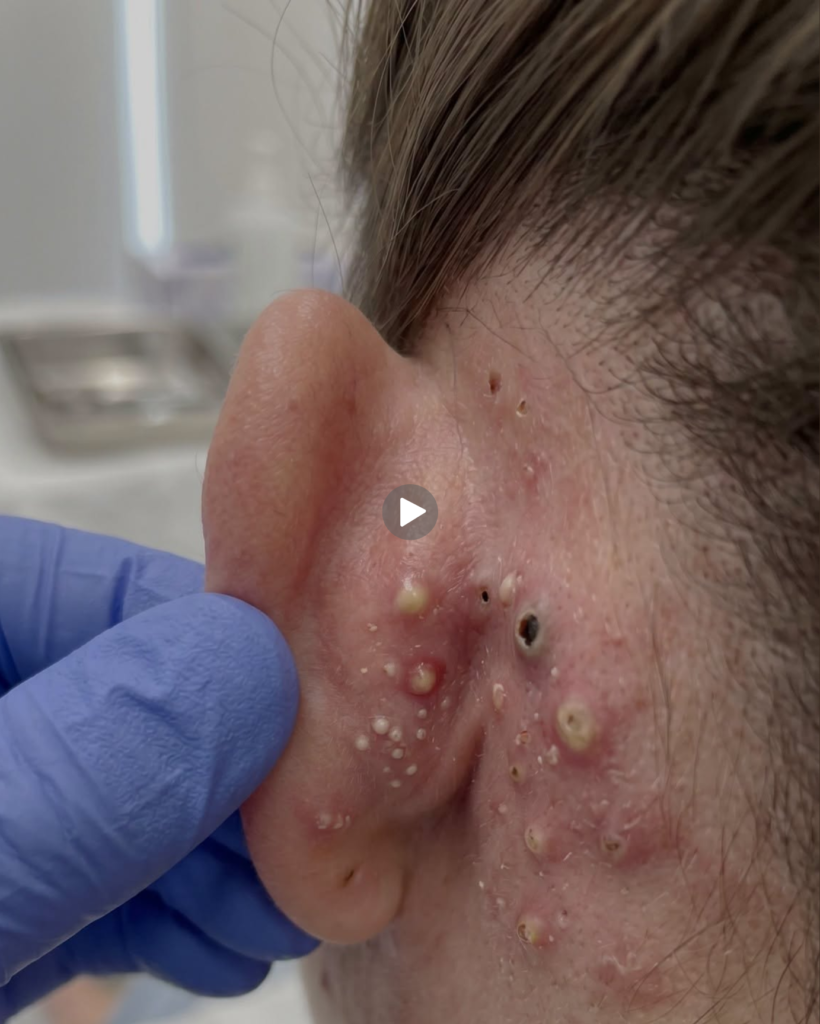
Acne is one of the most common skin conditions affecting millions of people worldwide. Although it is often associated with teenagers, acne can affect people of all ages. It develops when hair follicles become clogged with oil, dead skin cells, and bacteria, resulting in pimples, blackheads, whiteheads, and even painful cysts.
While acne is not dangerous, it can impact self-confidence and leave permanent scars if left untreated. The good news is that understanding the causes of acne and following the right skincare routine can significantly reduce breakouts and improve skin health.
In this comprehensive guide, you’ll learn everything you need to know about acne causes, prevention, and treatment.
What Is Acne?
Acne is an inflammatory skin condition that occurs when the sebaceous (oil) glands produce excess sebum. This oil mixes with dead skin cells and blocks pores. Bacteria multiply inside the clogged pores, leading to inflammation and the formation of pimples.
Acne commonly appears on:
- Face
- Forehead
- Nose
- Chin
- Neck
- Chest
- Back
- Shoulders
Common Types of Acne
Understanding the different types of acne helps determine the best treatment.
Whiteheads
These remain closed beneath the skin and appear as small white bumps.
Blackheads
Blackheads form when clogged pores stay open. The dark color comes from oxidation, not dirt.
Papules
Small, red, inflamed bumps that may feel tender.
Pustules
Pimples filled with pus and surrounded by redness.
Nodules
Large, painful lumps deep beneath the skin that often require medical treatment.
Cystic Acne
The most severe form of acne, causing painful cysts and a higher risk of permanent scarring.
Main Causes of Acne
Several factors contribute to acne development.
1. Excess Oil Production
Overactive oil glands produce too much sebum, clogging pores.
2. Hormonal Changes
Hormones increase oil production during:
- Puberty
- Pregnancy
- Menstrual cycles
- Polycystic Ovary Syndrome (PCOS)
3. Dead Skin Cells
When dead skin cells fail to shed naturally, they mix with oil and block pores.
4. Bacteria
A naturally occurring skin bacterium can multiply inside blocked pores, causing inflammation and breakouts.
5. Genetics
If your parents experienced acne, you may have a higher chance of developing it.
6. Stress
Stress does not directly cause acne but can worsen existing breakouts by influencing hormone levels.
7. Poor Skincare Habits
Sleeping with makeup, using harsh products, or failing to cleanse the skin properly can contribute to acne.
8. Diet
Some people notice increased breakouts after consuming excessive sugary foods, refined carbohydrates, or high-glycemic diets. Dairy may also trigger acne in certain individuals.
Acne Risk Factors
You may be more likely to develop acne if you:
- Have oily skin
- Experience hormonal fluctuations
- Use pore-clogging cosmetics
- Sweat heavily without cleansing
- Frequently touch your face
- Wear tight clothing that traps sweat
How to Prevent Acne Naturally
Preventing acne starts with consistent skincare and healthy lifestyle habits.
Wash Your Face Twice Daily
Use a gentle cleanser to remove excess oil, dirt, and bacteria without over-drying the skin.
Avoid Touching Your Face
Your hands transfer bacteria and oil that can clog pores.
Choose Non-Comedogenic Products
Look for skincare and makeup labeled “non-comedogenic,” meaning they are less likely to clog pores.
Keep Hair Clean
Hair oils and styling products can contribute to forehead acne.
Remove Makeup Before Sleeping
Leaving makeup on overnight can block pores and trigger breakouts.
Stay Hydrated
Drinking enough water supports healthy skin function.
Eat a Balanced Diet
Focus on:
- Fruits
- Vegetables
- Whole grains
- Lean protein
- Healthy fats
Reducing sugary snacks and processed foods may benefit some people.
Change Pillowcases Regularly
Clean pillowcases reduce the buildup of oil, bacteria, and dirt.
Manage Stress
Exercise, meditation, and adequate sleep may help reduce stress-related acne flare-ups.
Best Acne Treatments
Treatment depends on the severity of acne.
Salicylic Acid
Helps unclog pores by exfoliating dead skin cells.
Benzoyl Peroxide
Kills acne-causing bacteria while reducing inflammation.
Retinoids
Vitamin A derivatives promote cell turnover and prevent clogged pores.
Niacinamide
Reduces redness, inflammation, and oil production while supporting the skin barrier.
Azelaic Acid
Improves acne, reduces pigmentation, and calms inflamed skin.
Prescription Medications
A dermatologist may prescribe:
- Topical antibiotics
- Oral antibiotics
- Hormonal therapy
- Isotretinoin for severe acne
Natural Remedies for Mild Acne
Some natural ingredients may help mild acne when used carefully.
Tea Tree Oil
Has antibacterial properties but should always be diluted before application.
Aloe Vera
Calms irritated skin and supports healing.
Honey
Raw honey has natural antibacterial properties and may soothe inflamed skin.
Green Tea
Applying cooled green tea may help reduce oil production and redness.
Natural remedies can help some people but are not a replacement for proven medical treatments if acne is moderate or severe.
Skincare Routine for Acne-Prone Skin
Morning Routine
- Gentle cleanser
- Niacinamide serum
- Lightweight moisturizer
- Broad-spectrum sunscreen (SPF 30 or higher)
Evening Routine
- Gentle cleanser
- Salicylic acid or retinoid (as tolerated)
- Moisturizer
Consistency is more important than using many products.
Foods That Support Healthy Skin
Foods rich in nutrients may support overall skin health:
- Leafy greens
- Blueberries
- Oranges
- Salmon
- Walnuts
- Almonds
- Avocados
- Pumpkin seeds
- Yogurt (if tolerated)
- Green tea
Common Acne Myths
Myth 1: Acne Is Caused by Dirty Skin
Reality: Acne is mainly caused by excess oil, hormones, bacteria, and clogged pores—not poor hygiene.
Myth 2: Popping Pimples Helps Them Heal
Reality: Popping pimples increases the risk of infection, inflammation, and scarring.
Myth 3: Toothpaste Cures Acne
Reality: Toothpaste can irritate the skin and is not recommended as an acne treatment.
Myth 4: Only Teenagers Get Acne
Reality: Adult acne is very common, especially among women.
When Should You See a Dermatologist?
Consult a dermatologist if:
- Acne is painful or severe.
- You have cystic acne.
- Over-the-counter treatments have not worked after several weeks.
- Acne leaves scars or dark spots.
- Breakouts are affecting your confidence or daily life.
Early treatment can help prevent long-term skin damage.
Conclusion
Acne is a common but manageable skin condition. Understanding its causes, practicing proper skincare, maintaining healthy lifestyle habits, and choosing evidence-based treatments can greatly improve your skin. Mild acne often responds well to gentle cleansing and over-the-counter products, while persistent or severe acne may require professional medical care. With patience and consistency, achieving clearer, healthier skin is possible.
Frequently Asked Questions (FAQs)
Can acne be cured permanently?
Acne cannot always be permanently cured, but it can usually be controlled with consistent skincare and appropriate treatment.
What is the best ingredient for acne?
Salicylic acid, benzoyl peroxide, retinoids, and niacinamide are among the most effective ingredients for acne-prone skin.
How long does acne treatment take?
Most treatments require 6 to 12 weeks before significant improvement is noticeable.
Does drinking water remove acne?
Water supports overall skin health, but it does not cure acne by itself.
Can diet affect acne?
For some people, high-sugar foods and refined carbohydrates may worsen acne, while a balanced diet may help support healthier skin.
