
Introduction
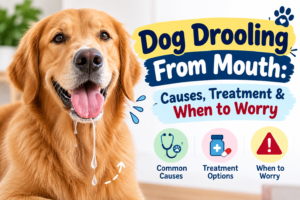
It can be disconcerting to witness your dog drooling, particularly if the drooling suddenly becomes extreme. Certain dog breeds, especially those with floppy lips and bigger jowls, naturally produce more saliva than others. Drooling, however, might occasionally be a sign of an underlying health issue.
Dog drooling from the mouth can have many causes, ranging from excitement, hunger, heat, or stress to dental disease, nausea, something stuck in the mouth, poisoning, or other medical conditions.
The key is to understand what is normal for your dog and recognize changes in the amount, consistency, or smell of their saliva.
In this article, we will discuss the most common causes of excessive drooling in dogs, treatment options, home care, and the warning signs that mean your dog needs veterinary attention.
Is Drooling Normal in Dogs?
Yes, some drooling is completely normal.
Saliva helps dogs chew and swallow food and keeps the mouth moist. Certain dogs naturally drool more than others because of their anatomy.
Breeds with large mouths or loose lips may commonly leave drops of saliva around the house. Drooling can also temporarily increase when a dog:
- Smells or sees food
- Is excited
- Is nervous or stressed
- Is riding in a car
- Has just exercised
- Is experiencing hot weather
- Is anticipating a meal
Normal drooling is usually not a concern when your dog is otherwise acting normally.
However, sudden excessive drooling, especially when accompanied by other symptoms, deserves closer attention.
10 Common Causes of Dog Drooling From the Mouth
1. Dental Problems
Dental disease is one of the common reasons a dog may start drooling more than usual.
Plaque and tartar can build up on the teeth and cause gum inflammation. More advanced dental problems can lead to painful infections around the teeth or gums.
Signs that drooling may be related to dental disease include:
- Bad breath
- Red or swollen gums
- Yellow or brown tartar
- Difficulty chewing
- Dropping food
- Pawing at the mouth
- Reluctance to eat
- Loose or damaged teeth
If your dog has persistent drooling along with mouth discomfort, a veterinary dental examination is important.
2. Something Is Stuck in the Mouth
Dogs investigate the world with their mouths, so they can sometimes get foreign objects stuck between their teeth, gums, tongue, or roof of the mouth.
Grass, sticks, bones, pieces of toys, or other objects can cause irritation and excessive saliva production.
Your dog may also:
- Paw at the face
- Rub the mouth against furniture
- Shake the head
- Refuse food
- Chew strangely
- Gag or cough
If you can safely see an easily accessible object, do not forcefully pull it out if it appears embedded or sharp. A veterinarian should handle objects that could cause injury.
3. Nausea or Stomach Upset
Dogs can drool excessively when they feel nauseated.
Nausea may occur because of dietary changes, eating something unusual, motion sickness, gastrointestinal irritation, or various illnesses.
A nauseated dog may drool while also:
- Licking the lips
- Swallowing repeatedly
- Refusing food
- Vomiting
- Eating grass
- Appearing restless
If vomiting or diarrhea is severe, persistent, or accompanied by weakness or pain, contact your veterinarian.
4. Heat and Overheating
Dogs often pant and produce more saliva when they become hot.
Mild increased drooling can happen after exercise or in warm weather. However, excessive drooling combined with heavy panting can be a warning sign of overheating or heatstroke.
Possible warning signs include:
- Heavy or unusual panting
- Weakness
- Confusion
- Excessive drooling
- Vomiting
- Diarrhea
- Difficulty standing
- Collapse
Heatstroke can be life-threatening and requires urgent veterinary care.
Never leave a dog inside a parked vehicle, even when the weather does not feel extremely hot.
5. Anxiety or Stress
Stress can also cause temporary excessive drooling.
Some dogs drool when they are frightened, nervous, or uncomfortable. Common triggers include thunderstorms, fireworks, car rides, unfamiliar environments, grooming, or visits to the veterinarian.
Stress-related drooling may improve once the stressful situation ends.
Other signs can include:
- Panting
- Trembling
- Hiding
- Whining
- Pacing
- Excessive licking
- Trying to escape
Reducing the source of stress and providing a calm, secure environment may help.
6. Eating Something Irritating or Toxic
A dog may drool heavily after chewing or eating something irritating.
Certain household substances, plants, chemicals, medications, and other products can be dangerous for dogs.
Possible signs of poisoning can include:
- Excessive drooling
- Vomiting
- Diarrhea
- Tremors
- Weakness
- Difficulty walking
- Abnormal behavior
- Breathing problems
- Seizures
If you suspect your dog has swallowed a potentially toxic substance, do not wait for symptoms to become severe. Contact a veterinarian or emergency animal service immediately.
Do not induce vomiting unless a veterinary professional specifically tells you to do so.
7. Mouth Injuries or Sores
Cuts, burns, ulcers, or other injuries inside the mouth can cause increased saliva.
A dog may develop mouth injuries after chewing hard objects, biting something sharp, or eating something too hot or irritating.
You may notice:
- Drooling
- Blood in saliva
- Pawing at the mouth
- Difficulty eating
- Whining
- Bad breath
If your dog appears painful or there is significant bleeding, veterinary evaluation is recommended.
8. Oral Infection or Inflammation
Inflammation of the mouth, tongue, or gums can stimulate saliva production.
Infections may cause excessive drooling along with unpleasant breath, difficulty eating, swollen tissues, or visible irritation.
Dogs with chronic oral inflammation may gradually lose interest in food or become reluctant to chew.
A veterinarian can examine the mouth and determine the underlying cause before recommending appropriate treatment.
9. Swallowing Problems
Some dogs drool because they are unable to swallow saliva normally.
Problems involving the throat, esophagus, mouth, or nerves can interfere with swallowing.
Possible signs include:
- Repeated swallowing attempts
- Gagging
- Coughing during meals
- Food coming back up
- Drooling
- Difficulty eating or drinking
Swallowing problems can sometimes become serious because of the risk of dehydration or inhaling food or saliva into the lungs.
10. Underlying Medical Conditions
Less commonly, excessive drooling can be associated with other medical conditions.
These can include certain neurological problems, gastrointestinal disorders, oral masses, or diseases affecting normal swallowing.
Because excessive drooling is a symptom rather than a diagnosis, the underlying cause needs to be identified.
Dog Drooling From Mouth: Treatment
The treatment for dog drooling depends entirely on the cause.
There is no single medication that is appropriate for every case.
Dental Disease
If dental disease is responsible, your veterinarian may recommend a professional dental cleaning, treatment of infected teeth, pain management, or other dental procedures.
After treatment, regular dental care can help reduce future problems.
Foreign Object
If something is stuck in the mouth, a veterinarian may safely remove it. Sedation or anesthesia may sometimes be necessary when an object is deeply embedded or the dog is painful.
Nausea
Treatment for nausea depends on its underlying cause. Your veterinarian may recommend dietary management, fluids, medication, or additional testing.
Heatstroke
Heatstroke requires urgent veterinary attention. Cooling measures may be started while veterinary care is being arranged, but a dog with suspected heatstroke should be evaluated even if they appear to improve.
Poisoning
Suspected poisoning should be treated as an emergency. Veterinary professionals may recommend specific treatment depending on what the dog consumed, how much was consumed, and when exposure occurred.
Mouth Injury or Infection
Treatment may include cleaning the affected area, pain control, dental treatment, or medication when medically appropriate.
Never give your dog human painkillers or other human medicines unless specifically prescribed or approved by a veterinarian.
When Is Dog Drooling an Emergency?
Not every episode of drooling requires emergency treatment, but certain combinations of symptoms can indicate a serious problem.
Seek urgent veterinary care if excessive drooling occurs with:
- Difficulty breathing
- Collapse
- Seizures
- Severe weakness
- Repeated vomiting
- Suspected poisoning
- Severe mouth bleeding
- Inability to swallow
- Severe abdominal swelling or pain
- Extreme overheating
- Sudden severe neurological changes
A sudden change in drooling accompanied by serious symptoms should never be ignored.
What Can You Do at Home?
If your dog is otherwise acting normally and the drooling is mild, you can monitor them closely.
You can:
- Keep fresh water available.
- Move your dog away from excessive heat.
- Remove access to chemicals, medications, and unsafe foods.
- Observe their appetite and behavior.
- Check the visible part of the mouth only if your dog allows it safely.
- Monitor vomiting, diarrhea, coughing, or other symptoms.
- Contact your veterinarian if the drooling continues or worsens.
Do not force your hand into your dog’s mouth, particularly if they are frightened or in pain.
How to Prevent Excessive Drooling
Some causes cannot be completely prevented, but good routine care can lower certain risks.
Maintain Dental Hygiene
Regular tooth brushing using toothpaste made specifically for dogs can help support oral health. Your veterinarian can also recommend dental products and professional cleaning when necessary.
Keep Toxic Substances Away
Store medications, cleaning products, pesticides, chemicals, and potentially toxic foods securely away from your dog.
Choose Safe Chews and Toys
Avoid items that can easily splinter, break apart, or become lodged in the mouth.
Protect Your Dog From Heat
Provide shade, water, ventilation, and appropriate exercise conditions, especially during hot weather.
Schedule Routine Veterinary Checkups
Regular veterinary examinations can help detect dental disease, masses, weight changes, and other health problems before they become more serious.
Frequently Asked Questions
Why is my dog suddenly drooling a lot?
Sudden excessive drooling can result from nausea, dental pain, something stuck in the mouth, stress, heat, an irritating substance, or another health problem. If the drooling is severe or accompanied by other symptoms, contact a veterinarian.
Why is my dog drooling but acting normal?
Some dogs naturally drool more than others. Excitement, food, mild stress, or breed anatomy can cause temporary drooling. However, persistent or newly increased drooling should still be monitored.
Can dental disease cause excessive drooling in dogs?
Yes. Dental disease can cause mouth pain and inflammation, which may increase saliva production. Bad breath, red gums, tartar, difficulty eating, and pawing at the mouth can also occur.
Should I worry if my dog is drooling and not eating?
Yes, especially if the change is sudden. Drooling combined with loss of appetite can indicate mouth pain, nausea, a foreign object, or another illness. A veterinary examination may be needed.
Can heat cause a dog to drool?
Yes. Dogs may pant and drool more when they are hot. Excessive drooling with heavy panting, weakness, confusion, vomiting, or collapse can indicate heatstroke and requires emergency veterinary attention.
Final Thoughts
Dog drooling from the mouth can be normal or a sign of an underlying problem. A small amount of saliva is normal for many dogs, especially certain breeds. However, sudden or excessive drooling should not automatically be considered normal.
Common causes include dental disease, nausea, stress, heat, mouth injuries, foreign objects, swallowing difficulties, and exposure to irritating or toxic substances.
Examining the whole picture is crucial. You might be able to keep an eye on your dog if they are eating, drinking, breathing, acting normally, and their drooling is minimal and transient. However, prolonged, severe, or abrupt drooling necessitates immediate veterinarian care, particularly when coupled with vomiting, weakness, breathing difficulties, discomfort, seizures, or suspected poisoning.
Knowing your dog’s normal behavior and saliva production makes it easier to notice changes early and get help when needed.
Disclaimer: This article is for general educational purposes only and does not replace professional veterinary advice. If your dog has sudden, severe, or persistent drooling or any concerning symptoms, consult a qualified veterinarian.