
How to Tell If Your Dog Is Healthy: 12 Signs of a Healthy Dog
Introduction
Every dog owner wants to know that their pet is happy and healthy. But since dogs can’t tell people when something is wrong, it’s important to recognise the usual signs of health.
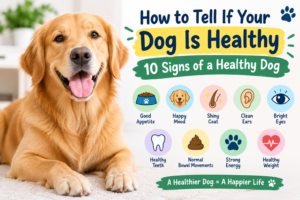
So, how can you assess your dog’s health? A healthy dog has clear eyes, a healthy coat, clean ears, healthy gums, regular bowel movements, a healthy appetite, and normal energy levels. Changes in these areas can occasionally be a sign of an illness.
Regular veterinary checkups are still essential, but knowing what is normal for your individual dog can help you notice problems early.
In this guide, we will explain the most important signs of a healthy dog, what you should check at home, and when you should contact a veterinarian.
1. Your Dog Has a Healthy Appetite
One of the easiest ways to monitor your dog’s health is to pay attention to their appetite.
A healthy dog usually has a relatively consistent eating pattern. Some dogs eat enthusiastically, while others are naturally less interested in food. What matters most is knowing what is normal for your dog.
A healthy appetite usually means your dog:
- Eats their normal amount of food
- Shows interest in meals
- Drinks a normal amount of water
- Does not frequently vomit after eating
- Maintains a stable body weight
A sudden loss of appetite can be caused by many things, including stress, dental problems, stomach upset, infection, or other health conditions.
If your dog refuses food, especially if the loss of appetite is accompanied by vomiting, diarrhea, weakness, pain, or unusual behavior, contact your veterinarian.
2. Your Dog Maintains a Healthy Weight
One’s physical condition is another important measure of overall health.
Being visibly overweight might increase the risk of certain health problems, whereas being underweight may occasionally be a sign of poor nutrition or an underlying sickness.
If you can’t see your dog’s ribs clearly, you should be able to feel them behind a thin layer of fat. Your dog’s abdomen should normally tuck upward just below the rib cage when viewed from the side, and the waist should also be visible when viewed from above.
However, healthy body shape varies depending on breed, age, size, and body structure.
Ask your veterinarian to assess your dog’s body condition and recommend an appropriate feeding plan.
3. Clear and Comfortable Eyes
Healthy dog eyes are generally clear, bright, and comfortable.
Some dogs may naturally have a small amount of tear staining or discharge, but excessive discharge is not considered normal.
When checking your dog’s eyes, look for:
- Clear-looking eyes
- Normal pupils
- No significant redness
- No swelling
- No excessive squinting
- No persistent discharge
- No obvious cloudiness
If your dog suddenly develops a red eye, cloudy appearance, swelling, excessive tearing, or keeps rubbing or squinting, veterinary attention may be necessary.
Eye problems can sometimes worsen quickly, so unusual changes should not be ignored.
4. A Shiny and Healthy Coat
Your dog’s skin and coat can provide valuable clues about their health.
A healthy coat is generally appropriate for the breed and may appear smooth, shiny, or well-maintained. Dogs with naturally wiry, curly, or long hair will have different coat textures, so you should learn what is normal for your dog.
Healthy skin and coat generally have:
- No large bald patches
- No excessive dandruff
- No persistent unpleasant odor
- No widespread redness
- No excessive scratching
- No unexplained sores or scabs
Regular grooming can also help you discover lumps, parasites, skin irritation, or other changes early.
If your dog suddenly starts scratching excessively, losing large amounts of hair, developing sores, or developing a strong skin odor, talk to your veterinarian.
5. Healthy Gums and Teeth
Dental health is an important part of your dog’s overall health.
Healthy gums are generally pink, although normal pigmentation can vary between dogs. Your dog should not have persistent bad breath, bleeding gums, loose teeth, or significant swelling around the mouth.
Check your dog’s mouth regularly if they allow you to do so safely.
Look for:
- Healthy-looking gums
- Clean teeth
- No obvious broken teeth
- No significant swelling
- No bleeding
- No severe bad breath
Dental disease is common in dogs and may cause discomfort that is not always obvious.
Regular tooth brushing with dog-safe toothpaste, dental care products recommended by your veterinarian, and professional dental examinations can help protect your dog’s oral health.
6. Normal Energy and Activity
One of the clearest signs your dog is healthy is normal energy.
A healthy dog should generally show interest in activities appropriate for their age and breed. Puppies may be extremely energetic, while older dogs naturally sleep more and may have lower activity levels.
The key is to notice changes from your dog’s normal behavior.
For example, if your normally playful dog suddenly becomes unusually tired, refuses to go for walks, or sleeps much more than usual, something may be wrong.
On the other hand, excessive restlessness or inability to settle can also indicate discomfort or anxiety.
Pay attention to your dog’s normal routine and look for significant changes.
7. Normal Breathing
A healthy dog should generally breathe comfortably when resting.
Normal breathing should not involve obvious struggle, persistent coughing, excessive effort, or unusual noises.
After exercise or during hot weather, dogs naturally breathe faster and may pant. However, breathing difficulty while resting is more concerning.
Contact a veterinarian promptly if your dog has:
- Difficulty breathing
- Persistent coughing
- Blue, gray, or very pale gums
- Severe weakness
- Breathing that appears unusually labored
Breathing problems can become emergencies, particularly if they develop suddenly.
8. Healthy Ears
Your dog’s ears should generally be relatively clean and comfortable.
Some breeds are more prone to ear problems because of their ear shape, hair, allergies, or other factors.
When checking the ears, look for:
- No strong unpleasant odor
- No excessive discharge
- No major redness
- No significant swelling
- No constant scratching
- No frequent head shaking
A dog that repeatedly scratches its ears or shakes its head may have an ear infection, allergies, parasites, or another problem.
Avoid putting human medications or household products into your dog’s ears unless specifically instructed by a veterinarian.
9. Normal Urination and Bowel Movements
Your dog’s bathroom habits can tell you a lot about their health.
A healthy dog’s stool should generally be formed and reasonably consistent with what is normal for them. Occasional minor changes can happen because of diet, stress, or treats, but persistent changes deserve attention.
Watch for:
- Persistent diarrhea
- Frequent vomiting
- Blood in stool
- Black or tarry stool
- Severe constipation
- Significant changes in bowel frequency
You should also monitor urination. Changes such as frequent attempts to urinate, difficulty urinating, blood in urine, accidents in a previously house-trained dog, or a major increase in drinking and urination should be discussed with a veterinarian.
10. Healthy Skin Without Unusual Lumps
While petting your dog, gently check their body for unusual changes.
You may notice small lumps or bumps, particularly as dogs get older. Not every lump is dangerous, but a new or changing lump should be evaluated by a veterinarian.
Pay attention to lumps that:
- Grow quickly
- Change shape
- Bleed
- Become painful
- Develop an ulcer
- Cause your dog to lick or scratch the area
Do not attempt to diagnose a lump by appearance alone. A veterinarian may need to examine or test it to determine what it is.
11. Your Dog Behaves Normally
Behavior is an important part of determining whether your dog is healthy.
A healthy dog usually behaves in ways that are normal for their personality. They may be playful, affectionate, curious, independent, protective, or relaxed depending on their individual temperament.
Watch for sudden behavioral changes such as:
- Hiding more than usual
- Becoming unusually aggressive
- Losing interest in favorite activities
- Excessive whining
- Restlessness
- Confusion
- Unusual fearfulness
- Sudden clinginess
Behavioral changes can sometimes be caused by pain, illness, stress, aging, or environmental changes.
If the change is sudden or persistent, discuss it with your veterinarian.
12. Healthy Nails and Paws
Your dog’s paws also deserve regular attention.
Healthy paws should not have persistent swelling, bleeding, severe cracks, or obvious injuries.
Check between the toes and around the paw pads, particularly after walks.
Keep an eye out for:
- Broken nails
- Excessively long nails
- Cuts
- Swelling
- Foreign objects
- Excessive licking
- Redness between the toes
Overgrown nails can affect the way a dog walks and may become painful.
Regular nail trimming and paw checks can help prevent discomfort.
How to Tell If Your Dog Is Healthy at Home
You do not need complicated equipment to monitor your dog’s general health.
A simple weekly health check can include:
Check Their Eyes
Look for unusual redness, cloudiness, swelling, or discharge.
Check Their Mouth
Look at the gums and teeth when it is safe to do so.
Feel Their Body
Gently check for new lumps, swelling, or areas that seem painful.
Check Their Coat
Look for parasites, bald areas, sores, dandruff, or unusual odors.
Monitor Appetite and Water
Know approximately how much your dog normally eats and drinks.
Observe Their Behavior
Notice their normal sleeping, playing, walking, and social habits.
Monitor Bathroom Habits
Pay attention to changes in stool, urine, frequency, and consistency.
These simple observations can help you recognize changes before they become more obvious.
How Often Should a Healthy Dog See a Veterinarian?
Regular veterinary treatment is crucial, even if your dog appears to be in excellent health.
The right schedule is determined by your dog’s age, health, breed, way of life, and personal requirements. During their first year, puppies typically require multiple visits for immunisations, growth monitoring, parasite prevention, and other care.
Senior dogs could benefit from more frequent monitoring, but adult dogs should have regular health exams.
During a wellness visit, your veterinarian can assess your dog’s:
- Weight and body condition
- Heart and lungs
- Teeth and gums
- Skin and coat
- Eyes and ears
- Musculoskeletal health
- Vaccination needs
- Parasite prevention
- Overall behavior and health
Routine examinations can sometimes identify problems before noticeable symptoms develop.
Signs Your Dog May Not Be Healthy
Knowing what is normal is important, but knowing warning signs is equally valuable.
Contact your veterinarian if you notice persistent or significant:
- Loss of appetite
- Vomiting
- Diarrhea
- Weight loss
- Excessive thirst
- Excessive urination
- Persistent coughing
- Breathing difficulty
- Severe itching
- Hair loss
- Bad-smelling ears
- Dental problems
- Limping
- Pain
- Extreme tiredness
- Behavioral changes
Some symptoms require urgent attention.
Seek emergency veterinary care if your dog has severe difficulty breathing, collapses, has repeated seizures, experiences severe trauma, has uncontrolled bleeding, or appears to be in severe distress.
Healthy Dog Checklist
Here is a simple checklist you can use at home:
| Health Area | What to Look For |
|---|---|
| Appetite | Consistent, normal eating habits |
| Weight | Appropriate body condition |
| Eyes | Clear and comfortable |
| Coat | Healthy, appropriate for breed |
| Skin | No unusual sores or severe irritation |
| Teeth | Clean and free from obvious problems |
| Gums | Healthy-looking, without abnormal bleeding |
| Ears | Relatively clean and comfortable |
| Energy | Normal activity for age and personality |
| Breathing | Comfortable at rest |
| Stool | Generally formed and consistent |
| Urination | Normal frequency and comfort |
| Behavior | Normal personality and routine |
| Paws | No major injuries or swelling |
Final Thoughts
Knowing what is typical for your particular pet is the first step in understanding how to determine whether your dog is healthy. Stable appetite and weight, comfortable breathing, bright eyes, healthy skin and coat, decent oral health, regular bathroom habits, and normal energy and behaviour are all characteristics of a healthy dog.
Looking healthy does not, however, imply that there is no medical issue because dogs can occasionally conceal symptoms of illness. A crucial component of healthy pet care is still routine veterinary examinations.
The best thing you can do is establish a simple routine: observe your dog every day, check their body regularly, maintain good nutrition and exercise, keep vaccinations and parasite prevention up to date according to veterinary advice, and contact your veterinarian when something changes.
By paying attention to small changes, you can often recognize potential problems earlier and help your dog enjoy a healthier and happier life.
Disclaimer: This article is for general educational purposes and does not replace professional veterinary advice. If your dog has concerning, severe, or persistent symptoms, contact a qualified veterinarian.