

Understanding Belly Infections in Dogs and How Proper Treatment Can Help
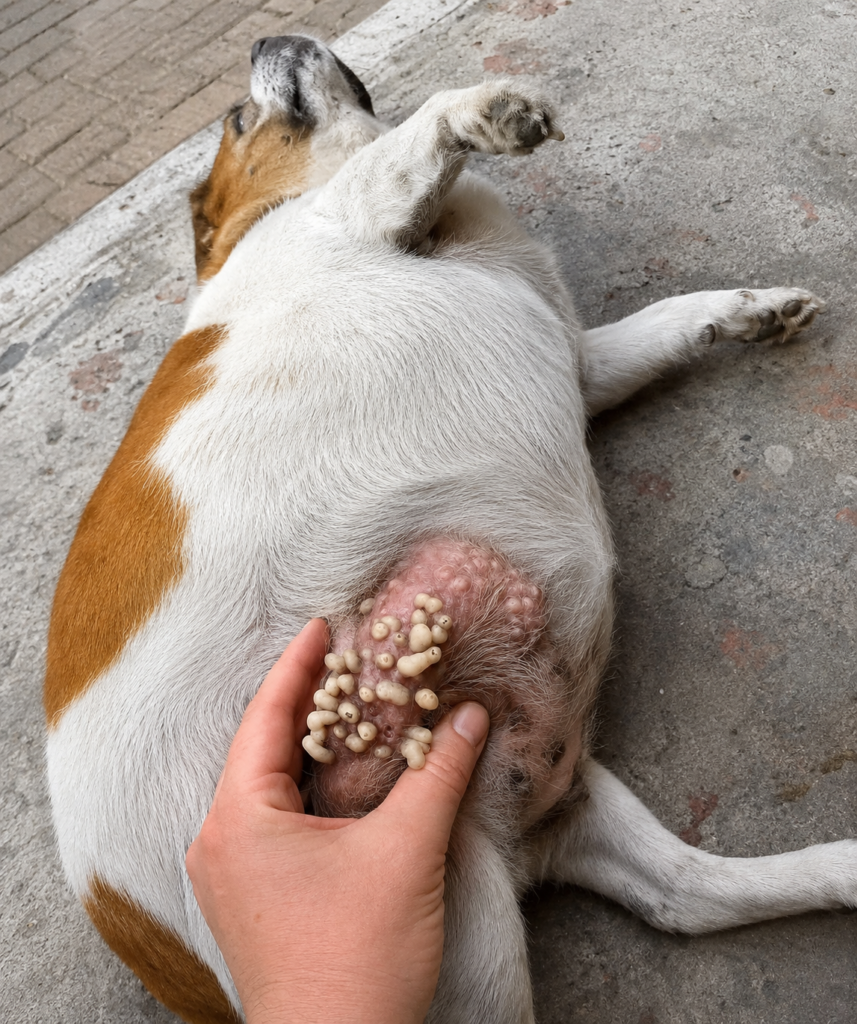
One quiet afternoon, a stray dog named Bruno was resting near a small village road. He looked tired and weak. At first glance, he seemed like any other street dog searching for a comfortable place to sleep. However, when a local animal lover approached him, something alarming became visible on his belly. There was a large infected area covered with swollen bumps, irritated skin, and signs of severe discomfort.
Bruno’s story is not unique. Belly infections in dogs are a common health problem that can affect pets and stray animals alike. These infections can develop due to bacteria, fungi, parasites, allergies, injuries, or poor hygiene. If left untreated, they can become painful and potentially dangerous.
This article tells Bruno’s story while explaining the causes, symptoms, treatments, and prevention methods for dog belly infections.
Bruno’s Struggle Begins
For several weeks, Bruno had been scratching his stomach constantly. The itching became worse every day. As he scratched and licked the affected area, the skin became red and inflamed. Eventually, small bumps appeared and started growing larger.
Because Bruno lived outdoors, dirt and bacteria easily entered the damaged skin. The infection spread, causing swelling and discomfort. He stopped playing, lost his appetite, and spent most of his time lying down.
Many dog owners may notice similar symptoms in their pets but assume they will disappear naturally. Unfortunately, skin infections rarely improve without proper care.
What Causes Belly Infections in Dogs?
Dog belly infections can occur for several reasons.
1. Bacterial Infections
Bacteria naturally live on a dog’s skin. However, when the skin becomes damaged through scratching, cuts, or allergies, harmful bacteria can multiply rapidly and cause infection.
2. Fungal Infections
Warm and moist environments encourage fungal growth. Dogs that frequently stay in humid conditions may develop fungal infections around their belly and skin folds.
3. Parasites
Fleas, ticks, and mites often trigger intense itching. Continuous scratching damages the skin and creates an entry point for infection.
4. Allergic Reactions
Food allergies, environmental allergens, or chemical irritants can inflame the skin. Persistent irritation often leads to secondary infections.
5. Poor Hygiene
Dogs that spend time in dirty environments may develop skin problems if regular cleaning and grooming are neglected.
6. Weak Immune System
Older dogs, puppies, and dogs with underlying health conditions may be more vulnerable to infections because their immune systems cannot fight pathogens effectively.
Symptoms of a Dog Belly Infection
Bruno displayed many classic symptoms of a severe skin infection.
Common signs include:
- Red or inflamed skin
- Swelling around the affected area
- Pus-filled bumps
- Hair loss
- Constant scratching or licking
- Unpleasant odor
- Open sores
- Scabs and crusts
- Pain when touched
- Reduced appetite
- Lethargy
If any of these symptoms appear, veterinary evaluation is strongly recommended.
The Visit to the Veterinarian
Concerned villagers eventually brought Bruno to a veterinarian. The doctor carefully examined the infected area and performed several tests to identify the underlying cause.
Skin scrapings, bacterial cultures, and physical examinations help veterinarians determine whether bacteria, fungi, parasites, or allergies are responsible.
After diagnosis, Bruno’s infection was found to be a severe bacterial skin infection complicated by chronic irritation.
The veterinarian immediately developed a treatment plan.
Treatment Options for Dog Belly Infections
Antibiotics
Because bacteria were causing Bruno’s infection, antibiotics were prescribed. These medications help eliminate harmful bacteria and prevent the infection from spreading further.
Medicated Shampoo
The veterinarian recommended a medicated shampoo designed specifically for dogs with skin infections. Regular bathing helped remove bacteria and soothe inflammation.
Topical Treatments
Special creams and sprays were applied to reduce irritation and promote healing.
Anti-Itch Medication
To stop excessive scratching, anti-itch medication was provided. Reducing scratching prevents additional damage to the skin.
Proper Nutrition
A balanced diet rich in vitamins, minerals, and protein was introduced to support immune function and skin repair.
Clean Living Environment
Bruno was moved to a cleaner environment where his skin could heal without constant exposure to dirt and contaminants.
Home Care During Recovery
Recovery did not happen overnight. It required patience and consistent care.
Each day, Bruno’s caretaker gently cleaned the affected area according to veterinary instructions. Fresh water and nutritious meals were always available.
The caretaker carefully monitored changes in the infection, looking for signs of improvement or worsening symptoms.
Gradually, the swelling started decreasing. The bumps became smaller, and healthy skin began replacing damaged tissue.
This stage highlights an important lesson: successful treatment requires commitment. Missing medications or neglecting wound care can slow recovery significantly.
Natural Supportive Remedies
While veterinary treatment remains essential, some natural remedies may help support healing when approved by a veterinarian.
Coconut Oil
Coconut oil contains moisturizing properties that may help soothe dry skin.
Oatmeal Baths
Oatmeal baths can reduce itching and irritation.
Aloe Vera
Pure aloe vera gel may provide temporary relief for inflamed skin.
Omega-3 Fatty Acids
Fish oil supplements may improve skin health and reduce inflammation.
These remedies should never replace professional veterinary treatment for serious infections.
Prevention Tips for Dog Belly Infections
Bruno’s experience demonstrates the importance of prevention.
Maintain Regular Grooming
Routine grooming helps detect skin problems early before they become severe.
Control Parasites
Use veterinarian-approved flea and tick prevention products consistently.
Provide Proper Nutrition
High-quality food strengthens the immune system and supports healthy skin.
Keep Living Areas Clean
Clean bedding and living spaces reduce exposure to bacteria and fungi.
Monitor Skin Changes
Check your dog’s skin regularly for redness, bumps, or unusual irritation.
Address Allergies Promptly
Treating allergies early can prevent secondary skin infections.
Schedule Veterinary Checkups
Regular health examinations help identify problems before they become serious.
Bruno’s Happy Ending
Several months after treatment began, Bruno looked like a completely different dog. His belly had healed significantly, the infection was gone, and his energy returned. He once again enjoyed running, playing, and interacting with people.
Most importantly, he found a loving family willing to provide ongoing care and protection.
Bruno’s journey reminds us that skin infections can be painful and serious, but with proper veterinary treatment, good nutrition, and consistent care, recovery is often possible.
Final Thoughts
A dog belly infection should never be ignored. Symptoms such as redness, swelling, bumps, itching, and skin lesions can indicate an underlying health problem that requires attention. Early diagnosis and treatment greatly improve the chances of a successful recovery.
Whether caring for a beloved pet or helping a stray animal in need, prompt action can make a tremendous difference. By recognizing symptoms early, maintaining proper hygiene, and seeking veterinary guidance, dog owners can protect their companions from painful skin infections and support a healthier, happier life.
