

Introduction
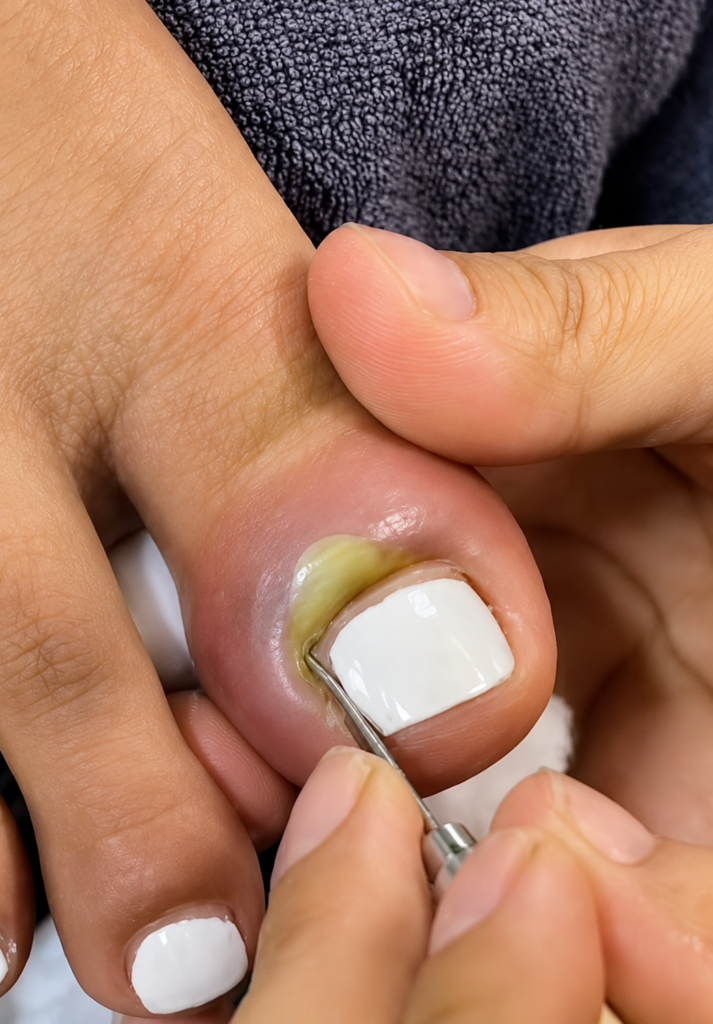
A nail upper side infection is a common condition that affects the skin surrounding the nail, especially near the cuticle and upper nail fold. This infection can cause pain, swelling, redness, and the formation of pus around the nail. If left untreated, it may become more severe and lead to complications that affect nail growth and overall nail health.
Many people develop nail infections due to improper nail trimming, ingrown nails, nail biting, injuries, or bacterial and fungal infections. Understanding the causes, symptoms, treatment options, and preventive measures can help you manage the condition effectively and avoid future problems.
In this article, we will discuss everything you need to know about nail upper side infections and how to keep your nails healthy.
What Is a Nail Upper Side Infection?
A nail upper side infection occurs when bacteria, fungi, or other microorganisms enter the skin around the nail. The infection commonly affects the cuticle area and upper nail fold, causing inflammation and discomfort.
This condition is medically known as paronychia. It can affect both fingernails and toenails, although toenail infections are often more painful because of pressure from shoes and walking.
Common Causes of Nail Upper Side Infection
Several factors can contribute to the development of a nail infection.
1. Ingrown Nails
An ingrown nail occurs when the edge of the nail grows into the surrounding skin. This can create a small wound where bacteria can enter and cause infection.
2. Improper Nail Trimming
Cutting nails too short or rounding the corners excessively increases the risk of infection and ingrown nails.
3. Nail Injuries
Minor injuries from sports, tight shoes, or accidental trauma can damage the skin around the nail, allowing bacteria to enter.
4. Nail Biting
People who frequently bite their nails damage the protective skin barrier, making infections more likely.
5. Frequent Exposure to Moisture
Constant exposure to water weakens the skin around the nails and creates an environment where bacteria and fungi can thrive.
6. Poor Nail Hygiene
Failure to keep nails clean may allow harmful microorganisms to multiply around the nail area.
7. Fungal Infection
Fungal organisms can infect the nail and surrounding skin, leading to discoloration, thickening, and inflammation.
Symptoms of Nail Upper Side Infection
Recognizing the symptoms early can help prevent the infection from becoming more serious.
Common symptoms include:
- Redness around the nail
- Swelling of the nail fold
- Pain and tenderness
- Warmth around the infected area
- Yellow or green pus
- Difficulty touching or pressing the nail
- Thickened skin around the nail
- Nail discoloration
- Changes in nail shape
- Foul odor in severe cases
As the infection progresses, the swelling may increase and pus may accumulate beneath the skin.
Types of Nail Infections
Acute Paronychia
Acute paronychia develops suddenly and is usually caused by bacteria.
Symptoms include:
- Rapid swelling
- Severe pain
- Pus formation
- Redness
It often appears within a few days after an injury or nail damage.
Chronic Paronychia
Chronic paronychia develops gradually and may last for weeks or months.
Symptoms include:
- Persistent swelling
- Mild tenderness
- Thickened skin
- Nail deformities
This type is often linked to fungal infections and repeated exposure to moisture.
Risk Factors
Certain individuals are more likely to develop nail upper side infections.
People at Higher Risk Include:
- Diabetics
- Nail biters
- Athletes
- Salon workers
- Healthcare workers
- People with weakened immune systems
- Individuals who frequently wash their hands
Managing these risk factors can significantly reduce the likelihood of infection.
How Is Nail Upper Side Infection Diagnosed?
A healthcare provider typically diagnoses the infection through a physical examination.
In severe or recurring cases, additional tests may include:
- Bacterial culture
- Fungal testing
- Nail sample analysis
- Blood tests if systemic infection is suspected
Proper diagnosis helps determine the most effective treatment.
Treatment for Nail Upper Side Infection
Warm Water Soaks
One of the simplest treatments is soaking the affected nail in warm water.
How to Do It:
- Fill a bowl with warm water.
- Soak the infected nail for 15–20 minutes.
- Repeat three to four times daily.
Warm soaks help reduce swelling and encourage drainage.
Antibiotic Treatment
If bacteria are causing the infection, a doctor may prescribe:
- Topical antibiotic creams
- Oral antibiotics
- Antibacterial ointments
Always complete the full course of medication as prescribed.
Antifungal Medication
For fungal infections, treatment may include:
- Antifungal creams
- Antifungal nail solutions
- Oral antifungal medication
Fungal infections often require longer treatment periods.
Drainage of Pus
When a large pocket of pus develops, a healthcare professional may need to drain it.
This procedure:
- Relieves pressure
- Reduces pain
- Speeds healing
Do not attempt to drain pus at home using sharp tools.
Pain Relief
Over-the-counter pain relievers may help reduce discomfort and inflammation.
Examples include:
- Acetaminophen
- Ibuprofen
Always follow dosage instructions.
Home Remedies for Mild Nail Infections
Several home remedies may help with mild infections.
Salt Water Soak
Salt water can help cleanse the area and reduce bacterial growth.
Tea Tree Oil
Tea tree oil has natural antimicrobial properties.
Mix a few drops with a carrier oil before applying to the skin.
Apple Cider Vinegar Soak
Apple cider vinegar may help inhibit bacterial and fungal growth.
Mix equal parts vinegar and warm water before soaking.
Coconut Oil
Coconut oil contains natural antifungal compounds that may support healing.
Turmeric Paste
Turmeric has anti-inflammatory and antibacterial properties.
Apply a small amount around the affected area and rinse after several minutes.
When to See a Doctor
Medical attention is important if you experience:
- Severe pain
- Large amounts of pus
- Fever
- Red streaks spreading from the nail
- Worsening symptoms
- Diabetes-related nail infections
- Recurring infections
Prompt treatment can prevent complications.
Possible Complications
Without proper treatment, nail infections may lead to:
Nail Deformity
The nail may become thick, misshapen, or permanently damaged.
Abscess Formation
Pus can accumulate and create a painful abscess.
Spread of Infection
The infection may spread into deeper tissues, especially in people with weakened immune systems.
Chronic Infection
Untreated infections may become long-lasting and difficult to eliminate.
Prevention Tips
Preventing nail upper side infections is easier than treating them.
Keep Nails Clean
Wash hands and feet regularly.
Trim Nails Properly
Cut nails straight across and avoid cutting them too short.
Avoid Nail Biting
Nail biting damages the protective skin barrier.
Wear Proper Footwear
Choose shoes that provide enough room for your toes.
Keep Nails Dry
Dry your hands and feet thoroughly after washing.
Use Clean Nail Tools
Disinfect nail clippers, scissors, and other manicure tools regularly.
Protect Your Hands
Wear gloves when working with water or chemicals.
Moisturize Cuticles
Healthy cuticles provide a protective barrier against infection.
Best Foods for Nail Health
Nutrition plays an important role in maintaining strong, healthy nails.
Biotin-Rich Foods
- Eggs
- Almonds
- Sweet potatoes
Protein Sources
- Chicken
- Fish
- Beans
- Lentils
Zinc-Rich Foods
- Pumpkin seeds
- Beef
- Chickpeas
Vitamin C Sources
- Oranges
- Strawberries
- Bell peppers
A balanced diet supports healthy nail growth and immune function.
Conclusion
A nail upper side infection can be painful and uncomfortable, but early treatment often leads to a quick recovery. Common causes include ingrown nails, injuries, poor nail hygiene, and bacterial or fungal infections. Symptoms such as redness, swelling, pain, and pus should never be ignored.
Simple treatments like warm water soaks, proper nail care, and medical treatment when necessary can help resolve the infection effectively. By maintaining good nail hygiene and following preventive measures, you can protect your nails and reduce the risk of future infections.
Healthy nails are an important part of overall health, so paying attention to early signs of infection can save you from more serious complications later.
