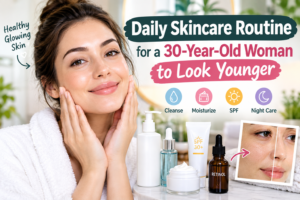

Woman, 30, Shares Her Daily Skin Care Routine to Help Her Look Years Younger
Many people start thinking about anti-aging skincare only after they notice fine lines, uneven skin tone, dryness, or a loss of natural glow. However, healthy-looking skin is not only about expensive products or complicated beauty treatments. A simple daily skincare routine, followed consistently, can help protect the skin barrier, improve hydration, and reduce some visible signs of premature skin aging.
Recently, a 30-year-old woman shared her daily skincare regimen, emphasizing the prevention of preventable skin damage and the maintenance of smooth, healthy-looking skin. Her approach highlights several habits that dermatologists commonly recommend, including daily sunscreen, gentle cleansing, moisturization, and carefully selected active ingredients.
Consistent skin care can help the complexion appear healthier and more refreshed over time, but no skincare regimen can actually stop aging or ensure that a person will look years younger.
Why a Daily Skincare Routine Matters After 30
Around the age of 30, some people begin noticing subtle changes in their skin. Fine lines may become more visible, the skin may feel drier, and uneven pigmentation can become more noticeable.
Natural aging, genetics, sun exposure, lifestyle, hormones, and environmental factors all have an impact on these changes. The amount of ultraviolet (UV) exposure your skin receives is one of the most significant things you can manage.
Ten does not need to contain fifteen products. In actuality, excessive product use can occasionally cause skin irritation. A basic routine built around cleansing, moisturizing, sun protection, and appropriate treatment products can be easier to maintain.
Morning Skin Care Routine
The morning routine should focus primarily on protecting the skin from environmental damage and maintaining hydration.
1. Start With a Gentle Cleanser
A gentle facial cleanser can remove sweat, excess oil, and overnight skincare residue without unnecessarily stripping the skin.
Choose a cleanser based on your skin type. People with oily skin may prefer a lightweight gel cleanser, while those with dry or sensitive skin may find a creamy or fragrance-free cleanser more comfortable.
Avoid scrubbing the face aggressively. Physical irritation can make sensitive skin feel worse and may contribute to redness.
2. Apply a Hydrating Serum
After cleansing, a hydrating serum can help improve the skin’s moisture content.
Ingredients such as hyaluronic acid, glycerin, and panthenol are commonly used in skincare products designed to support hydration.
Hydrated skin often looks smoother because dryness can make fine lines appear more noticeable. However, hydration does not permanently remove wrinkles.
If your skin is sensitive, introduce one new product at a time rather than adding several active ingredients simultaneously.
3. Consider an Antioxidant Product
An antioxidant serum may be another option in a morning routine.
Vitamin C is one of the most widely used antioxidant ingredients in skincare. It can help support brighter-looking skin and is often included in routines designed to address uneven skin tone and the appearance of environmental damage.
Not every person needs a vitamin C serum. If it causes burning, persistent redness, or irritation, discontinue it and consider a simpler routine.
4. Use a Moisturizer
Moisturizer helps reduce water loss from the skin and supports the skin barrier.
A lightweight lotion may work well for oily or combination skin, while a richer cream can be more suitable for dry skin.
Look for products containing ingredients such as ceramides, glycerin, or hyaluronic acid if your main concern is dryness.
Applying moisturizer while the skin is slightly damp may help lock in hydration.
5. Finish With Broad-Spectrum Sunscreen
Sunscreen is one of the most important parts of a daily anti-aging skincare routine.
Choose a broad-spectrum sunscreen with SPF 30 or higher and apply it to exposed skin. The face, neck, ears, and other exposed areas should not be forgotten.
UV exposure contributes to premature skin aging and can worsen uneven pigmentation and other visible signs of sun damage.
Sunscreen should be used even when the weather does not feel particularly sunny because UV radiation can still reach the skin.
For extended outdoor activities, sunscreen needs to be reapplied according to the product instructions and after activities such as swimming or heavy sweating.
Evening Skin Care Routine
Nighttime is an opportunity to cleanse away sunscreen, makeup, sweat, and daily environmental residue while using targeted skincare ingredients.
1. Remove Makeup and Sunscreen
If you wear makeup or water-resistant sunscreen, begin by thoroughly removing these products.
A cleansing balm, cleansing oil, micellar water, or gentle cleanser may be used depending on your skin type and personal preference.
Avoid rubbing the eye area aggressively because the skin around the eyes is delicate.
2. Cleanse the Skin Gently
Follow with a gentle cleanser if necessary.
The goal is clean skin without leaving it feeling extremely tight or uncomfortable. A tight sensation after cleansing can indicate that the cleanser may be too harsh for your skin.
3. Add a Retinoid or Retinol Product
Retinoids are among the most studied topical ingredients for improving the appearance of fine lines and skin texture.
Over-the-counter retinol products are generally milder than prescription retinoids. Someone who is new to retinol may start slowly, such as using it a few nights per week, depending on the product and skin tolerance.
Retinoids can cause dryness, peeling, or irritation, particularly when first introduced. Applying moisturizer can help improve comfort.
People who are pregnant or trying to become pregnant should discuss retinoid use with a healthcare professional before using these products.
4. Moisturize Again
Finish the nighttime routine with moisturizer.
A good moisturizer can help support the skin barrier, particularly when using active ingredients such as retinol.
People with very dry or sensitive skin may benefit from a richer nighttime moisturizer. Those with oily or acne-prone skin can choose a non-comedogenic lightweight formula.
Weekly Habits That Can Support Healthy-Looking Skin
A daily routine is more important than an elaborate weekly routine. However, a few additional habits can be useful.
Avoid Excessive Exfoliation
Exfoliation can remove surface dead skin cells and make the skin feel smoother, but more is not necessarily better.
Using strong exfoliating products too frequently may cause dryness, irritation, and sensitivity.
If you use chemical exfoliants such as alpha hydroxy acids or beta hydroxy acids, introduce them gradually and avoid combining too many strong active ingredients at once.
Keep the Skin Barrier Healthy
The skin barrier plays an important role in maintaining hydration and protecting the skin from external irritants.
Signs that your routine may be too aggressive include persistent burning, excessive dryness, redness, peeling, or increased sensitivity.
When this happens, simplifying the routine may be more helpful than adding another treatment product.
Lifestyle Habits That Can Affect Skin Appearance
Skincare products are only one part of maintaining healthy-looking skin.
Get Enough Sleep
Poor sleep can affect how refreshed the face looks. Maintaining a consistent sleep schedule may support overall health and a more rested appearance.
Eat a Balanced Diet
A balanced diet containing vegetables, fruits, whole grains, healthy fats, and adequate protein provides nutrients needed for overall health.
No single food can reverse skin aging, but good nutrition supports normal body functions, including healthy skin.
Stay Hydrated
Adequate fluid intake is important for overall health. However, drinking excessive amounts of water does not automatically eliminate wrinkles or transform the skin.
Drink according to your body’s needs and consider factors such as activity level, climate, and medical advice.
Avoid Smoking
Smoking can negatively affect skin health and is associated with premature skin aging. Avoiding tobacco is therefore beneficial for both general health and the appearance of the skin.
Common Anti-Aging Skin Care Mistakes
A person can have a good skincare routine and still experience problems if certain habits are overlooked.
One common mistake is changing products too frequently. Skin often needs time to adjust to new products, and constantly switching products can make it difficult to identify what works.
Another mistake is using too many active ingredients at once. Retinol, acids, vitamin C, and other treatments can all be useful, but combining everything immediately may increase irritation.
Skipping sunscreen is another major mistake. Expensive serums cannot replace consistent UV protection.
Finally, some people believe that expensive skincare products automatically produce better results. Price does not always determine whether a product is suitable for your skin.
How to Build a Simple Routine at Age 30
A practical routine can be much simpler than many social media skincare routines.
Morning
- Gentle cleanser
- Hydrating or antioxidant serum, if desired
- Moisturizer
- Broad-spectrum SPF 30+ sunscreen
Evening
- Makeup and sunscreen removal
- Gentle cleanser
- Retinol or another targeted treatment, if appropriate
- Moisturizer
The most important factor is consistency. A simple routine used regularly is generally easier to maintain than a complicated routine that is followed only occasionally.
When to See a Dermatologist
Skincare can help with many cosmetic concerns, but persistent skin problems may require professional evaluation.
Consider seeing a dermatologist if you experience persistent acne, unexplained rashes, significant pigmentation changes, painful skin lesions, severe irritation, or changes in moles.
A dermatologist can also help determine whether prescription treatments may be appropriate for concerns such as significant acne, pigmentation, or signs of photoaging.
Final Thoughts
A 30-year-old does not need an extremely complicated skincare routine to maintain healthy-looking skin. The most useful approach is often a consistent combination of gentle cleansing, hydration, appropriate active ingredients, and daily sun protection.
Stopping natural aging shouldn’t be the aim. Rather, the emphasis can be on preserving the skin’s barrier, controlling dryness and uneven tone, and promoting a long-term, healthy appearance.
An efficient routine can be built around a daily sunscreen application, an appropriate moisturizer, and a thoughtfully chosen nighttime treatment. Lifestyle habits such as adequate sleep, balanced nutrition, avoiding smoking, and managing stress can also contribute to overall skin health.
Most importantly, skincare results take time. Consistency and patience are usually more valuable than constantly searching for a new miracle product.