
Iron-Rich Foods for Women: Best Foods, Benefits, Daily Needs & Healthy Meal Ideas
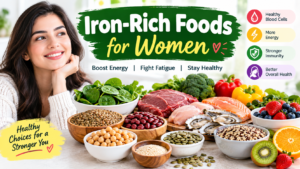
Iron is an essential mineral that plays an important role in women’s health. It helps the body produce hemoglobin, the protein in red blood cells responsible for carrying oxygen throughout the body. When iron levels become too low, women may experience tiredness, weakness, difficulty concentrating, headaches, or other symptoms associated with iron deficiency.
Selecting women as part of a balanced foods as part of a balanced foods as part of a balanced foods as part of a balanced foods as part of a balanced foods as part of a balanced foods. Women who are pregnant, have regular menstrual cycles, eat a vegetarian or vegan diet, or have higher nutritional needs should pay particular attention to this.
The best sources of iron, how much women need, how to enhance iron absorption, and easy meal ideas that can make an iron-rich diet easier to follow are all covered in this guide.
Why Is Iron Important for Women?
Iron is involved in several important processes in the body. Its best-known role is helping red blood cells transport oxygen from the lungs to tissues throughout the body.
Women can be particularly vulnerable to iron deficiency because monthly menstrual blood loss can reduce iron stores. Pregnancy also increases iron requirements because the body needs additional iron to support increased blood volume and the developing baby.
Low dietary iron intake is another possible factor, particularly when meals contain few iron-rich foods.
Eating a variety of iron-containing foods can help provide the mineral your body needs while also supplying protein, vitamins, fiber, and other nutrients.
How Much Iron Do Women Need?
Iron requirements vary depending on age and life stage.
For most adult women aged 19 to 50, the recommended dietary allowance is about 18 mg of iron per day. After menopause, the recommended amount generally decreases to around 8 mg per day because menstrual blood loss is no longer occurring.
During pregnancy, iron needs increase substantially, with a recommended intake of about 27 mg per day for most pregnant women.
Individual needs can be different. Women with diagnosed iron deficiency or anemia may need medical evaluation and, in some cases, iron supplements rather than relying on food alone.
Best Iron-Rich Foods for Women
There are many nutritious foods that can help increase dietary iron. Iron occurs in two major forms: heme iron and non-heme iron.
Heme iron is found mainly in animal foods and is generally absorbed more efficiently. Non-heme iron is found in plant foods and fortified products.
1. Lean Red Meat
Lean beef is one of the most concentrated natural sources of heme iron.
A serving of lean beef can provide a meaningful amount of daily iron while also supplying high-quality protein, vitamin B12, and zinc.
Choose lean cuts and use reasonable portions as part of an overall balanced diet.
2. Liver
Organ meats such as beef liver contain exceptionally high amounts of iron and other nutrients, including vitamin B12.
However, liver is also very high in vitamin A. Pregnant women should avoid liver and liver products unless their healthcare professional specifically advises otherwise because excessive preformed vitamin A can be harmful during pregnancy.
3. Shellfish
Shellfish can be an excellent source of heme iron. Oysters, clams, and mussels are particularly nutrient-dense options.
They also provide protein, vitamin B12, zinc, and other minerals.
For women who enjoy seafood, adding shellfish to meals occasionally can be a useful way to increase dietary iron.
4. Chicken and Turkey
Poultry contains iron, although generally less than many red meats.
Dark meat, such as chicken or turkey thighs, tends to contain more iron than very lean white meat.
Pairing poultry with vegetables rich in vitamin C can also help improve the absorption of non-heme iron from the meal.
5. Lentils
Lentils are one of the best plant-based sources of iron.
They are also rich in protein and fiber, making them a filling choice for women who want to improve overall diet quality.
Try adding lentils to soups, curries, salads, or grain bowls.
6. Beans
Kidney beans, chickpeas, black beans, and white beans can all contribute iron to the diet.
Beans are particularly useful for vegetarian and vegan women because they provide plant-based iron along with protein and fiber.
For a simple iron-rich meal, combine beans with tomatoes, peppers, spinach, or another vitamin C-rich vegetable.
7. Tofu and Soy Foods
Tofu and other soy-based foods can provide iron and protein.
They can be especially useful for women following vegetarian or vegan diets.
Tofu can be baked, stir-fried, added to soups, or used in salads. Combining it with vegetables containing vitamin C may help increase absorption of its non-heme iron.
8. Spinach and Dark Leafy Greens
Spinach, kale, Swiss chard, and other dark leafy greens contain non-heme iron.
Spinach is often included in lists of foods high in iron, but the body does not absorb all of its iron because spinach also contains compounds such as oxalates that can reduce absorption.
Still, leafy greens are nutritious foods and can be part of a healthy iron-supporting diet.
9. Pumpkin Seeds
Pumpkin seeds are a convenient plant-based source of iron.
They can be added to oatmeal, yogurt, salads, smoothies, or homemade energy bites.
Because they are calorie-dense, a moderate serving is usually enough to add nutritional value without significantly increasing total calories.
10. Sesame Seeds and Tahini
Sesame seeds contain iron and can easily be incorporated into everyday meals.
Tahini, a paste made from sesame seeds, can be used in salad dressings, hummus, sauces, and sandwiches.
Combining tahini with lemon juice is particularly useful because lemon provides vitamin C, which can improve absorption of non-heme iron.
11. Quinoa
Quinoa provides iron along with protein, fiber, magnesium, and other nutrients.
It can replace rice or other grains in salads and bowls.
Try combining quinoa with chickpeas, tomatoes, bell peppers, and leafy greens for a plant-based iron-rich meal.
12. Fortified Breakfast Cereals
Some breakfast cereals are fortified with iron and can provide a significant amount of the mineral.
Check the nutrition facts label to determine how much iron a serving provides.
For better absorption, choose a fortified cereal and pair it with fruit such as strawberries, kiwi, oranges, or berries.
Vitamin C Helps the Body Absorb Iron
Eating iron-rich foods is only part of the equation. Absorption also matters.
Vitamin C can increase the absorption of non-heme iron from plant foods.
Good vitamin C sources include:
- Oranges
- Kiwi
- Strawberries
- Bell peppers
- Tomatoes
- Broccoli
- Guava
- Citrus fruits
For example, a lentil salad with tomatoes and bell peppers may provide a better iron-absorption combination than eating lentils alone.
Foods and Drinks That May Reduce Iron Absorption
Certain foods and beverages can interfere with the absorption of non-heme iron when consumed around the same time as an iron-rich meal.
Tea and Coffee
Tea and coffee contain compounds that can reduce iron absorption.
If you are trying to improve iron absorption, consider drinking tea or coffee between meals rather than immediately with an iron-rich meal.
Calcium-Rich Foods
Calcium may interfere with iron absorption in some circumstances. This does not mean women should avoid dairy products.
Milk, yogurt, and cheese provide important nutrients, so the goal is simply to maintain a balanced diet and, when iron deficiency is a concern, discuss meal timing with a healthcare professional.
Iron-Rich Foods for Vegetarians and Vegans
Women who do not eat meat can still get iron from a wide variety of foods.
Good plant-based choices include:
- Lentils
- Chickpeas
- Kidney beans
- Soybeans
- Tofu
- Pumpkin seeds
- Sesame seeds
- Quinoa
- Spinach
- Fortified cereals
- Iron-fortified plant-based foods
Because plant-based iron is non-heme iron, combining these foods with vitamin C-rich ingredients is a useful strategy.
For example, try chickpeas with tomatoes, tofu with bell peppers, or lentils with lemon and leafy greens.
Easy Iron-Rich Meal Ideas for Women
Adding iron-rich foods to your diet does not have to be complicated.
Breakfast
Try an iron-fortified breakfast cereal with strawberries or kiwi.
Another option is oatmeal topped with pumpkin seeds and berries.
Lunch
A lentil and spinach salad with tomatoes, bell peppers, and lemon dressing provides plant-based iron along with vitamin C.
Dinner
Lean beef with roasted vegetables and quinoa can provide heme iron, protein, and several other nutrients.
For a vegetarian option, try tofu and chickpea stir-fry with bell peppers and broccoli.
Snack
A small serving of pumpkin seeds with a piece of fruit can provide a convenient combination of iron and vitamin C.
Signs You May Not Be Getting Enough Iron
Iron deficiency can develop gradually, and symptoms may not appear immediately.
Possible symptoms include:
- Persistent tiredness
- Weakness
- Pale skin
- Headaches
- Dizziness
- Shortness of breath during activity
- Cold hands and feet
- Difficulty concentrating
- Brittle nails
These symptoms can have many possible causes, so they should not automatically be assumed to mean iron deficiency.
Women with persistent symptoms should speak with a healthcare professional and consider appropriate blood testing.
Should Women Take Iron Supplements?
Food is an important source of iron, but supplements may be recommended when a person has confirmed iron deficiency, iron-deficiency anemia, or increased iron requirements that cannot be met adequately through diet.
But it’s not always appropriate to take high-dose iron without a doctor’s advice. In addition to side effects like constipation, nausea, abdominal pain, and dark stools, too much iron can be dangerous.
A medical expert can assess whether blood tests or supplements are necessary if you suspect iron deficiency.
Iron-Rich Foods During Pregnancy
Pregnancy significantly increases iron requirements because the mother’s blood volume expands and the developing baby requires iron.
Pregnant women can include foods such as lean meat, poultry, beans, lentils, fortified cereals, tofu, and leafy greens in a balanced diet.
Pregnancy also requires additional attention to food safety. Meat and seafood should be prepared properly, and pregnant women should discuss prenatal vitamins and iron supplementation with their healthcare provider.
Liver and liver products are generally avoided during pregnancy because of their high vitamin A content.
Frequently Asked Questions
What are the best iron-rich foods for women?
Some of the most useful options include lean red meat, shellfish, lentils, beans, tofu, fortified cereals, pumpkin seeds, and leafy green vegetables.
What foods are high in iron but low in calories?
Leafy greens, lentils, beans, tofu, and some fortified foods can provide iron without being especially calorie-dense. Portion size and preparation method still matter.
How can I increase iron absorption naturally?
Pair plant-based iron sources with vitamin C-rich foods such as tomatoes, bell peppers, citrus fruits, strawberries, or broccoli. Avoid drinking tea or coffee immediately with iron-rich meals when possible.
Can women get enough iron from a vegetarian diet?
Yes. Vegetarian diets can provide iron through lentils, beans, tofu, seeds, fortified cereals, quinoa, and leafy greens. Because plant-based iron is absorbed differently from heme iron, food combinations and overall dietary variety are important.
What is the best iron-rich food for anemia?
There is no single best food for treating anemia. The appropriate approach depends on the cause of anemia. Iron-rich foods can support dietary intake, but confirmed iron-deficiency anemia may require medical treatment and iron supplementation.
Final Thoughts
Including a variety of iron-rich foods for women can help support healthy red blood cell production, energy metabolism, and overall nutrition. Lean meats and seafood provide highly absorbable heme iron, while lentils, beans, tofu, seeds, leafy greens, quinoa, and fortified foods provide valuable plant-based iron.
For better absorption, combine plant-based iron sources with vitamin C-rich foods and avoid consuming large amounts of tea or coffee directly with iron-rich meals.
Most importantly, persistent fatigue or other symptoms should not automatically be blamed on low iron. If iron deficiency is suspected, appropriate medical testing can help identify the cause and determine whether dietary changes, supplements, or other treatment are needed.