

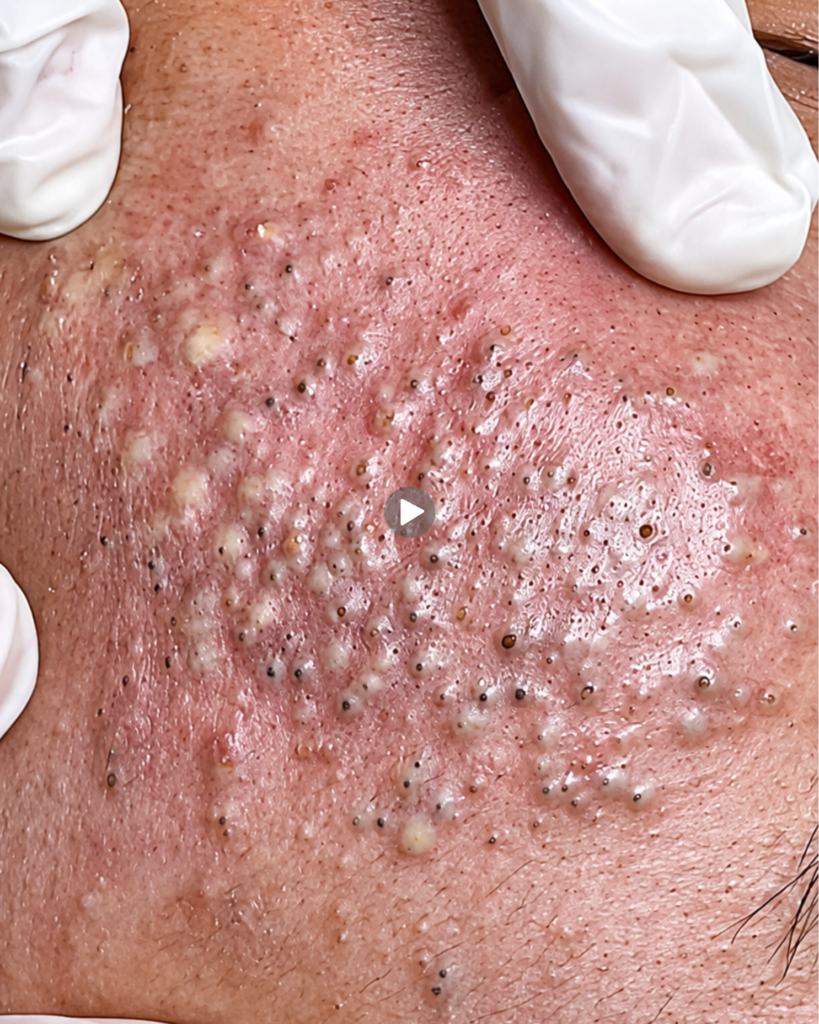
Many people suffer from deep holes, pits, and uneven texture on the face after acne heals. These marks are commonly called acne scars or pitted scars. They can affect confidence and make skin look rough and damaged. The good news is that modern skincare, healthy habits, and proper treatments can improve the appearance of these scars over time.
In this article, you will learn the causes of facial holes, the best treatments for acne scars, home remedies, skincare tips, and prevention methods to help your skin look smoother and healthier.
What Causes Holes on the Face?
Small holes or pits on the face usually appear after severe acne, chickenpox, skin infections, or inflammation. When the skin becomes damaged, collagen breaks down. If the body does not repair the collagen properly, deep scars or holes can form.
Common causes include:
- Severe acne
- Picking or squeezing pimples
- Skin infections
- Poor skincare habits
- Excess oil production
- Hormonal changes
- Delayed acne treatment
The deeper the inflammation, the more likely scars will develop.
Types of Acne Scars
Understanding the type of scars helps in choosing the best treatment.
Ice Pick Scars
These are deep and narrow holes that look like tiny punctures in the skin. They are difficult to treat naturally.
Boxcar Scars
These scars are wider and have sharp edges. They create uneven skin texture.
Rolling Scars
Rolling scars make the skin look wavy or bumpy because of damaged tissue beneath the skin.
Dark Spots
Some acne leaves pigmentation instead of deep scars. These marks fade faster than pitted scars.
Best Treatments for Facial Holes and Acne Scars
There are many effective treatments available for improving skin texture and reducing facial holes.
Laser Treatment for Acne Scars
Laser therapy is one of the most popular treatments for acne scars. It removes damaged skin layers and boosts collagen production.
Benefits include:
- Smoother skin texture
- Reduced scar depth
- Better skin tone
- Faster collagen repair
Different laser treatments include fractional laser and CO2 laser therapy. Multiple sessions may be needed for the best results.
Microneedling Treatment
Microneedling uses tiny needles to create small injuries in the skin. This stimulates collagen and elastin production naturally.
Benefits of microneedling:
- Reduces deep scars
- Improves skin texture
- Minimizes pores
- Helps skincare products absorb better
Many dermatologists recommend microneedling for moderate acne scars.
Chemical Peels
Chemical peels remove damaged outer skin layers using acids like glycolic acid or salicylic acid.
Benefits include:
- Brighter skin
- Reduced pigmentation
- Smoother texture
- Less visible scars
Mild peels can be done regularly, while deep peels should only be performed by professionals.
Dermal Fillers
Fillers are injected under deep scars to lift the skin surface temporarily.
They are useful for:
- Rolling scars
- Deep facial holes
- Uneven skin texture
Results can last several months depending on the filler type.
Subcision Treatment
Subcision is a medical procedure where a dermatologist breaks scar tissue beneath the skin.
Benefits include:
- Smoother skin surface
- Improved rolling scars
- Better collagen growth
This treatment is often combined with microneedling or laser therapy.
Retinol Creams for Acne Scars
Retinol is a vitamin A ingredient that increases skin cell turnover and collagen production.
Benefits of retinol:
- Reduces acne scars
- Improves skin texture
- Fades dark spots
- Prevents future acne
Start with a low-strength retinol to avoid irritation.
Home Remedies for Facial Holes
Natural remedies may not completely remove deep scars, but they can improve overall skin health and appearance.
Aloe Vera Gel
Aloe vera hydrates the skin and reduces inflammation naturally.
How to use:
- Apply fresh aloe vera gel to the face
- Leave for 20 minutes
- Wash with lukewarm water
Use daily for best results.
Honey and Lemon Mask
Honey moisturizes the skin while lemon contains natural acids that brighten scars.
Steps:
- Mix one teaspoon honey with a few drops of lemon juice
- Apply to affected areas
- Leave for 10 minutes
- Rinse gently
Avoid lemon if your skin is sensitive.
Coconut Oil Massage
Coconut oil contains antioxidants and moisturizing properties.
Benefits:
- Softens rough skin
- Improves dryness
- Supports skin healing
Use a small amount to avoid clogged pores.
Rosehip Oil
Rosehip oil is rich in vitamins and fatty acids that help skin repair.
Apply a few drops before bedtime for gradual improvement.
Best Skincare Routine for Acne Scars
A proper skincare routine helps prevent new acne and improves existing scars.
Gentle Face Cleanser
Use a mild cleanser twice daily to remove dirt and oil without damaging the skin barrier.
Exfoliation
Exfoliating removes dead skin cells and improves skin renewal.
Use:
- Salicylic acid
- Glycolic acid
- Lactic acid
Do not over-exfoliate because it can irritate the skin.
Moisturizer
Hydrated skin heals faster and looks healthier.
Choose non-comedogenic moisturizers that do not clog pores.
Sunscreen
Sun exposure can darken acne scars and slow healing.
Use SPF 30 or higher every day, even indoors.
Foods That Help Repair Skin
Healthy eating plays an important role in skin healing.
Vitamin C Foods
Vitamin C boosts collagen production.
Best sources:
- Oranges
- Lemons
- Kiwi
- Strawberries
- Bell peppers
Protein-Rich Foods
Protein helps repair damaged skin tissue.
Include:
- Eggs
- Fish
- Chicken
- Beans
- Nuts
Omega-3 Fatty Acids
Omega-3 reduces inflammation.
Sources include:
- Salmon
- Walnuts
- Flaxseeds
Water Intake
Drink enough water daily to keep skin hydrated and healthy.
Habits That Make Acne Scars Worse
Avoid these common mistakes:
- Picking pimples
- Using harsh scrubs
- Sleeping with makeup
- Excessive sun exposure
- Using dirty towels
- Touching the face frequently
These habits increase inflammation and may create deeper scars.
How Long Does Acne Scar Treatment Take?
Results depend on scar severity and treatment type.
General timelines:
- Mild scars: 2–3 months
- Moderate scars: 4–6 months
- Deep scars: 6–12 months or longer
Professional treatments often show faster results than home remedies.
Can Facial Holes Be Removed Completely?
Some deep scars may not disappear completely, but most treatments can significantly improve skin texture and appearance. Combination treatments usually provide the best results.
Patience is important because skin repair takes time.
When to Visit a Dermatologist
You should see a skin specialist if:
- Acne scars are severe
- Home remedies do not help
- Skin becomes painful or inflamed
- Acne continues to spread
- Deep holes affect confidence
A dermatologist can recommend customized treatment based on your skin type.
Final Thoughts
Holes and acne scars on the face can be frustrating, but many effective treatments are available today. Laser therapy, microneedling, chemical peels, retinol creams, and healthy skincare habits can improve skin texture and boost confidence.
The key is consistency and patience. Avoid picking acne, protect your skin from the sun, follow a proper skincare routine, and eat healthy foods to support healing naturally.
With the right treatment plan, smoother and healthier skin is possible over time.
