

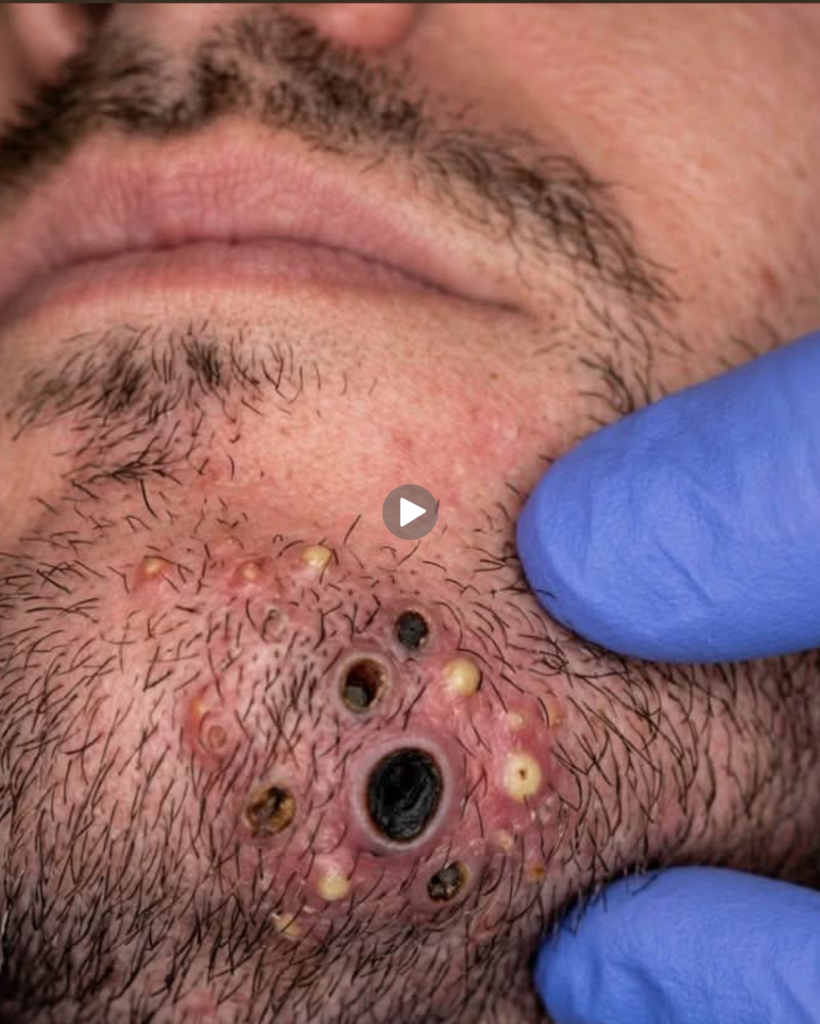
Scalp pimples are a common skin condition that affects people of all ages. While they are often hidden beneath the hair, they can become painful, itchy, and uncomfortable. In some cases, scalp acne may lead to inflammation, infection, or even temporary hair loss if left untreated.
Fortunately, most scalp pimples can be treated successfully by improving scalp hygiene, identifying the underlying cause, and following a healthy hair care routine. This guide explains everything you need to know about scalp pimples, including their causes, symptoms, treatments, natural remedies, and prevention tips.
What Are Scalp Pimples?
Scalp pimples are small inflamed bumps that form on the scalp when hair follicles become clogged with oil, dead skin cells, bacteria, or sweat. They can appear as red bumps, whiteheads, painful cysts, or pus-filled pimples.
Unlike facial acne, scalp acne is often harder to notice because it is covered by hair. Many people only discover them when they feel pain while combing, washing their hair, or scratching their scalp.
Common Causes of Scalp Pimples
Several factors can contribute to the development of scalp acne.
1. Excess Oil Production
The scalp naturally produces sebum, an oily substance that protects the skin and hair. When too much oil is produced, it mixes with dead skin cells and blocks hair follicles, leading to pimples.
2. Poor Hair Hygiene
Not washing your hair regularly allows oil, sweat, dirt, and bacteria to accumulate on the scalp, increasing the risk of clogged pores.
People with naturally oily hair may need to wash their hair more frequently than those with dry hair.
3. Sweat Build-Up
Heavy exercise, hot weather, or wearing hats for long periods can trap sweat on the scalp.
When sweat mixes with bacteria and oil, scalp breakouts become more likely.
4. Hair Product Build-Up
Many styling products contain heavy oils, waxes, or silicones that can clog hair follicles.
Products such as:
- Hair gel
- Hair wax
- Pomade
- Hair sprays
- Thick conditioners
can contribute to scalp acne if not washed out properly.
5. Bacterial Infection
The bacteria naturally present on the skin can multiply inside blocked follicles, causing inflammation and painful pimples.
6. Fungal Infections
Sometimes scalp bumps are caused by yeast or fungal overgrowth rather than traditional acne.
These bumps often itch more than regular pimples.
7. Hormonal Changes
Hormones significantly affect oil production.
Hormonal fluctuations during:
- Puberty
- Pregnancy
- Menstrual cycles
- Stress
can increase scalp oil production and trigger acne.
8. Stress
Stress increases cortisol levels, which may stimulate oil glands and worsen acne throughout the body, including the scalp.
9. Wearing Tight Headgear
Helmets, caps, scarves, and hats trap sweat, heat, and bacteria against the scalp.
This creates the perfect environment for clogged follicles.
10. Poor Diet
Although food is not the sole cause of acne, diets high in sugar, processed foods, and greasy meals may worsen inflammation in some individuals.
A balanced diet supports healthier skin overall.
Symptoms of Scalp Pimples
Scalp acne may present with several symptoms, including:
- Small red bumps
- Whiteheads
- Painful cysts
- Itching
- Tender scalp
- Pus-filled pimples
- Burning sensation
- Crusting around hair follicles
Severe scalp acne may bleed or leave scars after healing.
Who Is More Likely to Get Scalp Pimples?
Certain people have a higher risk, including:
- Teenagers
- People with oily skin
- Athletes who sweat frequently
- Individuals using heavy hair products
- People with hormonal imbalances
- Those who rarely wash their hair
Natural Remedies for Scalp Pimples
Many mild scalp pimples improve with natural home care.
1. Tea Tree Oil
Tea tree oil has natural antibacterial and anti-inflammatory properties.
Mix a few drops with a carrier oil or add it to your shampoo before use.
2. Aloe Vera Gel
Fresh aloe vera soothes irritation and reduces redness.
Apply directly to the scalp for 20 minutes before rinsing.
3. Apple Cider Vinegar
Diluted apple cider vinegar may help remove excess oil and restore the scalp’s natural pH balance.
Always dilute before applying.
4. Warm Compress
A warm compress helps reduce swelling and encourages pimples to drain naturally.
5. Neem
Neem leaves contain antibacterial compounds that may reduce scalp bacteria.
Neem water can be used as a natural scalp rinse.
Medical Treatments
If scalp acne becomes severe or keeps returning, medical treatment may be necessary.
A dermatologist may recommend:
- Medicated shampoos
- Salicylic acid shampoo
- Benzoyl peroxide cleansers
- Topical antibiotics
- Oral antibiotics
- Antifungal medications
- Retinoids for severe acne
Always follow medical advice before using prescription treatments.
How to Prevent Scalp Pimples
Prevention is easier than treatment.
Here are effective ways to keep your scalp healthy:
Wash Hair Regularly
Clean your scalp according to your hair type to remove excess oil and sweat.
Avoid Heavy Hair Products
Choose lightweight, non-comedogenic hair care products whenever possible.
Clean Hair Accessories
Wash brushes, combs, hats, pillowcases, and helmets regularly.
Don’t Scratch the Scalp
Scratching can spread bacteria and worsen inflammation.
Shower After Sweating
Wash your scalp after workouts or excessive sweating.
Eat a Healthy Diet
Include:
- Fruits
- Vegetables
- Whole grains
- Lean proteins
- Healthy fats
Drink plenty of water daily.
Manage Stress
Practice:
- Exercise
- Meditation
- Deep breathing
- Proper sleep
Stress management benefits both skin and overall health.
When Should You See a Doctor?
Seek medical attention if:
- Pimples are very painful
- They frequently return
- Large cysts develop
- Hair loss occurs
- Pus continues draining
- Home remedies do not help after several weeks
- Fever accompanies scalp infection
A dermatologist can determine whether the condition is acne, folliculitis, psoriasis, eczema, or another scalp disorder.
Common Myths About Scalp Pimples
Myth 1: Only Dirty Hair Causes Scalp Acne
False.
Even people with clean hair can develop scalp pimples due to hormones or genetics.
Myth 2: Popping Pimples Helps
False.
Popping pimples increases infection risk and may leave scars.
Myth 3: Oily Hair Means You Should Wash Multiple Times Daily
False.
Overwashing can irritate the scalp and increase oil production.
Frequently Asked Questions (FAQs)
Can scalp pimples cause hair loss?
Severe inflammation or repeated infections may temporarily affect hair growth, but most cases improve after treatment.
Are scalp pimples contagious?
No. Regular acne is not contagious.
Can dandruff cause scalp pimples?
Dandruff itself does not directly cause acne, but irritation and scratching may increase inflammation.
How long do scalp pimples last?
Mild pimples often heal within a few days, while severe cases may require several weeks of treatment.
Should I pop scalp pimples?
No. Popping increases the chance of infection, pain, and permanent scarring.
Final Thoughts
Scalp pimples are usually caused by clogged hair follicles, excess oil, bacteria, sweat, hormonal changes, or product buildup. Although they can be uncomfortable, most mild cases improve with proper scalp hygiene, gentle hair care, and natural remedies. Avoid squeezing pimples, wash your hair regularly, use lightweight hair products, and maintain a healthy lifestyle to reduce future breakouts. If scalp acne becomes severe, painful, or persistent, consult a dermatologist for an accurate diagnosis and effective treatment. With consistent care, you can maintain a clean, healthy, and pimple-free scalp.
