

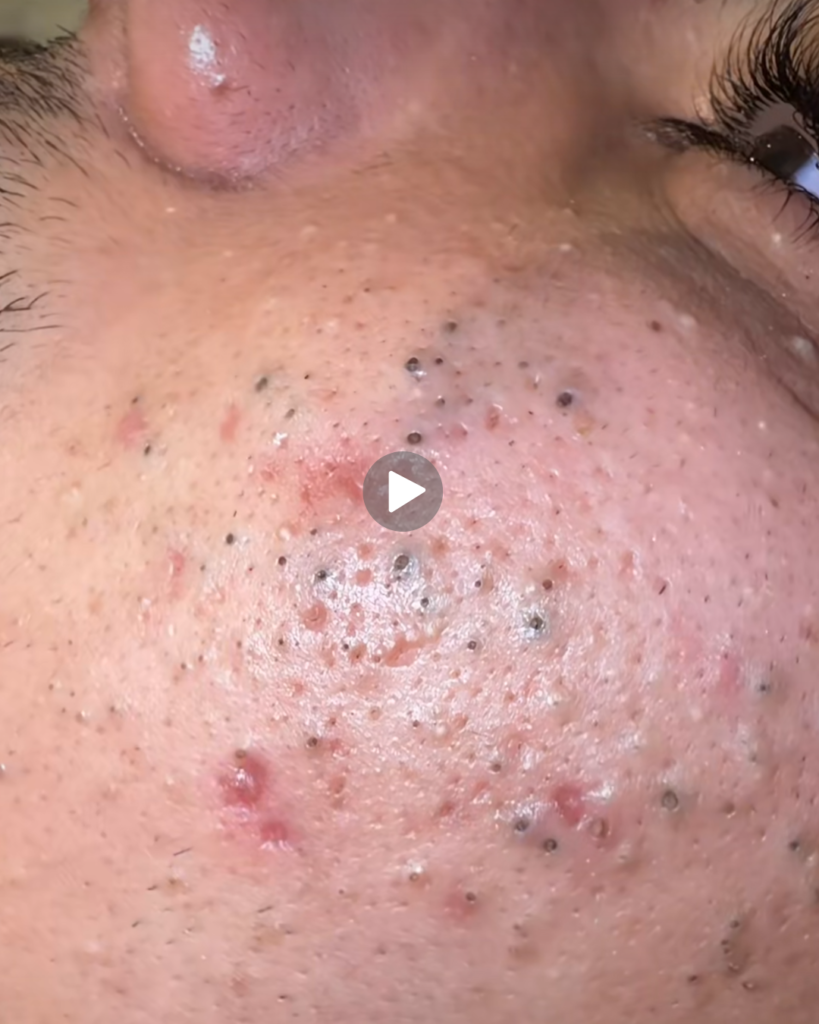
Pimples are a common skin problem that affects people of all ages, especially teenagers and young adults. They usually appear on the face, but can also occur on the neck, back, shoulders, and chest. Although pimples are not dangerous, they can cause discomfort, pain, and sometimes low self-confidence. Understanding why pimples appear and how to treat them naturally can help improve skin health without harsh chemicals.
Causes of Pimples on the Face
- Excess Oil Production
The skin contains sebaceous glands that produce oil (sebum) to keep the skin moisturized. Sometimes these glands produce too much oil, which can clog pores and lead to pimples. - Blocked Pores
Dead skin cells can mix with excess oil and block the pores. When pores are blocked, bacteria grow inside them, causing inflammation and pimples. - Bacteria
A type of bacteria called Propionibacterium acnes naturally lives on the skin. When pores are clogged, these bacteria multiply and cause redness, swelling, and pus-filled pimples. - Hormonal Changes
Hormonal changes during puberty, menstruation, pregnancy, or stress can increase oil production, leading to pimples. This is why acne is common in teenagers. - Poor Diet
Eating too much oily, spicy, sugary, or processed food may worsen acne. Dairy products and junk food can also trigger pimples in some people. - Stress
Stress increases the release of hormones like cortisol, which can stimulate oil glands and make acne worse. - Poor Skin Hygiene
Not washing the face regularly, touching the face frequently, or using dirty makeup tools can transfer bacteria to the skin and cause pimples.
Natural Treatments for Pimples
Natural remedies are often safer and gentler on the skin. They may take time to show results, but they help improve skin health without side effects.
1. Aloe Vera
Aloe vera has anti-inflammatory and antibacterial properties. It soothes the skin and reduces redness.
How to use:
Apply fresh aloe vera gel directly to the pimples and leave it on overnight. Wash your face in the morning.
2. Honey
Honey is a natural antibacterial agent and helps heal the skin.
How to use:
Apply raw honey to the affected area for 15–20 minutes, then rinse with lukewarm water.
3. Tea Tree Oil
Tea tree oil helps kill bacteria and reduce inflammation.
How to use:
Mix a few drops of tea tree oil with a carrier oil (like coconut oil) and apply gently to pimples using a cotton swab.
4. Turmeric
Turmeric has antibacterial and anti-inflammatory properties.
How to use:
Mix turmeric powder with honey or yogurt to make a paste. Apply it to pimples for 10–15 minutes, then wash off.
5. Neem
Neem is well known for its skin-healing and antibacterial benefits.
How to use:
Boil neem leaves in water, let it cool, and use it as a face wash. You can also apply neem paste to pimples.
6. Lemon Juice (Use Carefully)
Lemon juice contains vitamin C and has antibacterial properties, but it can be harsh for sensitive skin.
How to use:
Apply diluted lemon juice to pimples for 5–10 minutes only, then wash off. Avoid sunlight afterward.
7. Green Tea
Green tea reduces oil production and inflammation.
How to use:
Apply cooled green tea to the face using cotton or use green tea bags on pimples.
Lifestyle Tips to Prevent Pimples
- Wash your face twice daily with a mild cleanser
- Drink plenty of water to keep skin hydrated
- Eat fresh fruits and vegetables
- Avoid touching your face frequently
- Manage stress through exercise or meditation
- Get enough sleep
- Avoid heavy makeup and oily skincare products
Conclusion
Pimples appear due to excess oil, clogged pores, bacteria, hormonal changes, poor diet, and stress. Natural treatments like aloe vera, honey, turmeric, neem, and tea tree oil can help reduce pimples safely and effectively. Along with natural remedies, maintaining a healthy lifestyle and proper skincare routine is essential for clear and glowing skin. Consistency and patience are key, as natural treatments take time but offer long-term benefits.
