

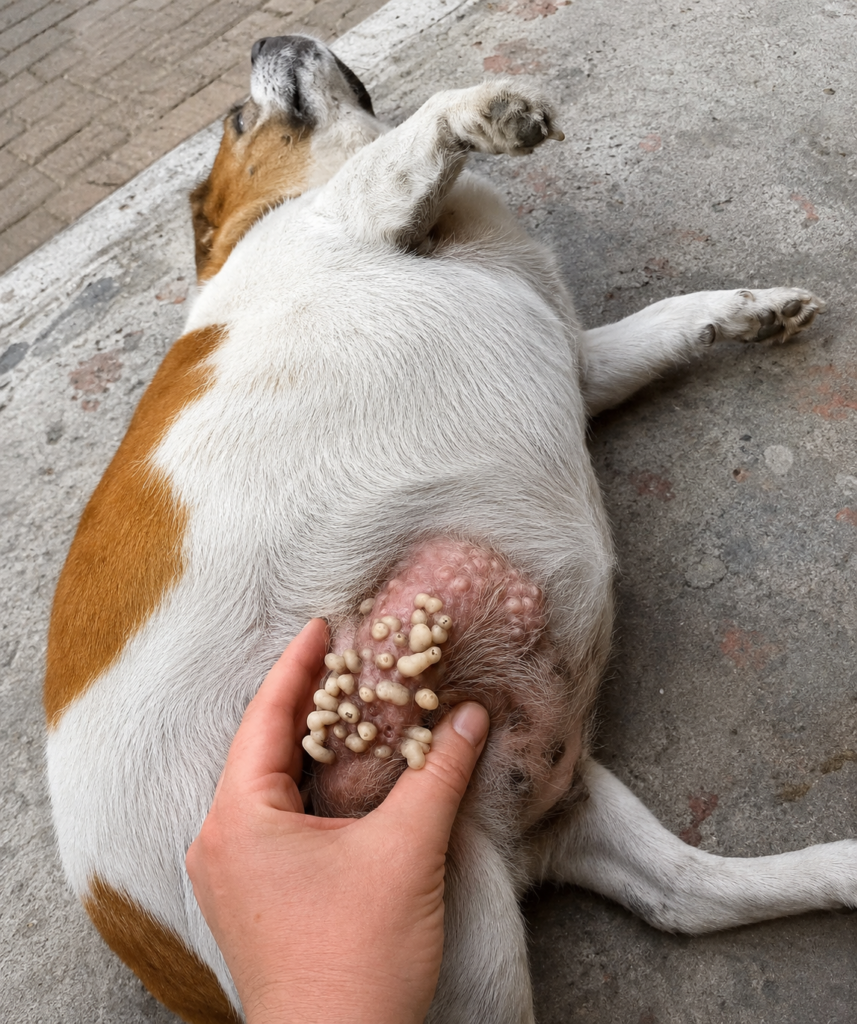
Dogs are loyal companions that bring joy, comfort, and unconditional love to our lives. As a responsible pet owner, it is important to recognize when your dog may be experiencing a health problem. While some minor issues can resolve on their own, certain symptoms should never be ignored. Knowing the warning signs that your dog needs a vet can help you seek medical attention early and potentially save your pet’s life.
In this guide, we will discuss the most common signs that indicate your dog needs veterinary care and why prompt treatment is essential.
Why Early Veterinary Care Matters
Dogs cannot tell us when they are sick or in pain. Instead, they communicate through changes in behavior, appetite, energy levels, and physical appearance. Many serious illnesses become easier to treat when detected early. Delaying veterinary care can lead to complications, increased suffering, and higher treatment costs.
Being aware of warning signs can help you protect your dog’s health and well-being.
1. Loss of Appetite
One of the first signs that something may be wrong is a sudden loss of appetite.
While dogs may occasionally skip a meal, refusing food for more than 24 hours can indicate:
- Digestive problems
- Dental disease
- Infections
- Kidney disease
- Liver disorders
- Serious underlying illnesses
If your dog consistently refuses food or treats, contact your veterinarian for advice.
2. Excessive Vomiting
Occasional vomiting may occur if your dog eats too quickly or consumes something unusual. However, frequent or severe vomiting is a serious concern.
Seek veterinary attention if your dog:
- Vomits multiple times in a day
- Has blood in the vomit
- Appears weak after vomiting
- Cannot keep water down
- Experiences vomiting along with diarrhea
Persistent vomiting can quickly lead to dehydration and other health complications.
3. Diarrhea Lasting More Than 24 Hours
Diarrhea can be caused by dietary changes, stress, infections, parasites, or more serious conditions.
Contact your veterinarian if:
- Diarrhea lasts longer than 24 hours
- There is blood in the stool
- Your dog becomes lethargic
- Signs of dehydration appear
Puppies and senior dogs are especially vulnerable to dehydration caused by diarrhea.
4. Difficulty Breathing
Breathing problems should always be treated as an emergency.
Warning signs include:
- Rapid breathing
- Wheezing
- Gasping for air
- Persistent coughing
- Blue or pale gums
Breathing difficulties may result from heart disease, lung conditions, allergic reactions, or airway obstruction.
Immediate veterinary care is critical.
5. Extreme Lethargy
Every dog has lazy days, but extreme tiredness can indicate illness.
Watch for:
- Lack of interest in activities
- Sleeping excessively
- Difficulty standing
- Weakness or collapse
Lethargy may be associated with infections, heart disease, anemia, poisoning, or internal injuries.
If your normally active dog suddenly becomes unusually tired, schedule a veterinary examination.
6. Changes in Drinking Habits
Pay attention to how much water your dog drinks.
Excessive thirst may indicate:
- Diabetes
- Kidney disease
- Cushing’s disease
- Urinary tract infections
Reduced water intake can lead to dehydration and may also signal illness.
Sudden changes in drinking habits should be discussed with a veterinarian.
7. Trouble Urinating
Urinary problems can become life-threatening if left untreated.
Signs include:
- Frequent attempts to urinate
- Straining during urination
- Blood in urine
- Pain while urinating
- Inability to urinate
Urinary blockages, infections, and bladder stones require prompt medical attention.
Male dogs are particularly at risk for dangerous urinary obstructions.
8. Unexplained Weight Loss
Gradual or sudden weight loss should never be ignored.
Possible causes include:
- Cancer
- Diabetes
- Parasites
- Digestive disorders
- Kidney disease
- Thyroid problems
If your dog loses weight despite eating normally, consult your veterinarian.
9. Swollen Abdomen
A swollen or bloated abdomen can indicate a medical emergency.
Potential causes include:
- Gastric dilatation-volvulus (GDV)
- Internal bleeding
- Fluid accumulation
- Organ enlargement
Symptoms often include:
- Restlessness
- Drooling
- Difficulty breathing
- Failed attempts to vomit
Bloat can become fatal within hours and requires immediate veterinary care.
10. Persistent Coughing
Occasional coughing may not be serious, but chronic coughing should be evaluated.
Possible causes include:
- Kennel cough
- Heart disease
- Lung infections
- Allergies
- Collapsing trachea
If coughing persists for more than a few days, visit your veterinarian.
11. Skin Problems and Excessive Scratching
Healthy skin is an important indicator of overall health.
Warning signs include:
- Constant scratching
- Hair loss
- Redness
- Open sores
- Lumps or bumps
- Skin infections
These symptoms may result from allergies, parasites, fungal infections, or other health conditions.
Early treatment can prevent discomfort and further complications.
12. Bad Breath and Dental Issues
Many pet owners overlook dental health.
Signs of dental disease include:
- Bad breath
- Bleeding gums
- Loose teeth
- Difficulty eating
- Excessive drooling
Dental infections can spread to other organs and affect your dog’s overall health.
Regular veterinary dental care is essential.
13. Behavioral Changes
Sudden behavior changes often signal underlying health issues.
Examples include:
- Aggression
- Anxiety
- Confusion
- Hiding
- Increased irritability
Pain, neurological disorders, and illness can all affect your dog’s behavior.
A veterinary evaluation can help identify the cause.
14. Seizures
A seizure is always a serious event.
Signs may include:
- Uncontrolled shaking
- Muscle twitching
- Collapse
- Loss of consciousness
- Drooling
Seizures can result from epilepsy, poisoning, infections, or brain disorders.
If your dog experiences a seizure, seek veterinary attention immediately.
15. Pale, Blue, or Yellow Gums
Your dog’s gums provide important clues about health.
Normal gums should be pink.
Contact a veterinarian if gums appear:
- Pale or white
- Blue or gray
- Yellow
These changes may indicate oxygen deprivation, anemia, liver disease, or circulatory problems.
Emergency Situations Requiring Immediate Veterinary Care
Seek emergency help immediately if your dog experiences:
- Difficulty breathing
- Severe bleeding
- Seizures
- Collapse
- Poison ingestion
- Heatstroke
- Bloat
- Severe injuries
- Inability to urinate
- Loss of consciousness
Quick action can make a significant difference in survival and recovery.
How to Monitor Your Dog’s Health
Regular observation can help detect problems early.
Monitor:
- Eating habits
- Water consumption
- Bathroom habits
- Energy levels
- Weight
- Skin condition
- Behavior
Keeping a record of unusual symptoms can help your veterinarian make an accurate diagnosis.
Preventive Care Tips
To keep your dog healthy:
- Schedule regular veterinary checkups
- Keep vaccinations current
- Provide a balanced diet
- Maintain healthy weight
- Use parasite prevention products
- Exercise regularly
- Practice good dental hygiene
Preventive care reduces the risk of many common health problems.
Conclusion
Recognizing the warning signs your dog needs a vet is one of the most important responsibilities of pet ownership. Symptoms such as loss of appetite, vomiting, diarrhea, breathing difficulties, weight loss, behavioral changes, and urinary problems can indicate serious health concerns. Early diagnosis and treatment often lead to better outcomes and can even save your dog’s life.
Always trust your instincts. If something seems unusual about your dog’s behavior or health, it is better to consult a veterinarian sooner rather than later. By staying attentive and proactive, you can help your furry friend enjoy a longer, healthier, and happier life.
