

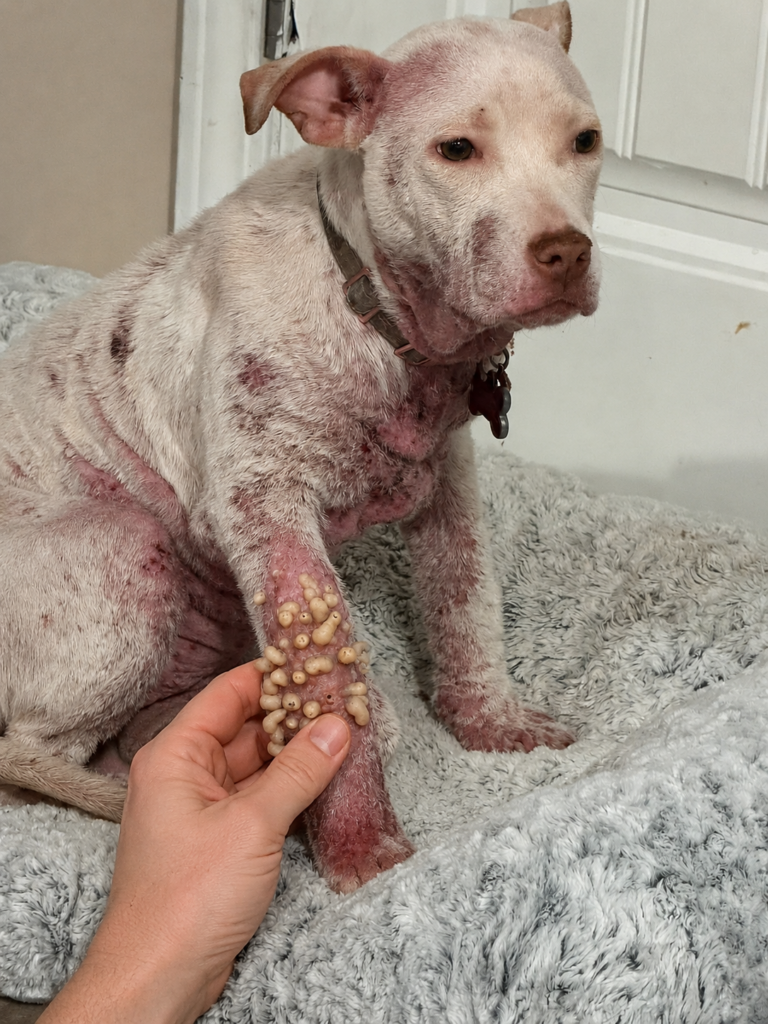
Losing a beloved dog is one of the most emotional experiences a pet owner can face. Dogs are more than just pets—they are loyal companions, family members, and best friends. When my dog suddenly went missing, I felt helpless and worried every single day. What followed was a journey filled with fear, hope, determination, and finally, relief. However, when I finally found him, I discovered that his paw had been badly injured. This is the story of how my lost dog disappeared, how I searched for him, and how we helped him recover after his painful ordeal.
The Day My Dog Went Missing
It was a normal morning when I let my dog into the yard as I did every day. He was a playful and energetic dog who loved exploring his surroundings. Usually, he would stay close to home, but that day was different.
A few hours later, I noticed that he was nowhere to be found. At first, I thought he was hiding somewhere nearby. I called his name repeatedly, checked every corner of the yard, and searched around the neighborhood. Unfortunately, there was no sign of him.
As the day turned into evening, my worry grew stronger. My dog had never stayed away from home for so long. I began to fear that he might be lost, injured, or unable to find his way back.
Searching Everywhere
The next morning, I started a serious search. I walked through nearby streets, parks, empty lots, and fields. I asked neighbors if they had seen my dog and showed them recent photos.
I also posted information about my missing dog on social media and local community groups. Many kind people shared the post and promised to keep an eye out for him.
Every day, I searched for hours. I carried treats, water, and his favorite toy in the hope that he would recognize familiar scents and sounds.
The days felt incredibly long. Every time I heard a dog bark in the distance, my heart raced with hope. Every time I received a phone call, I prayed it would be news about my missing companion.
The Emotional Struggle
Losing a pet can create a deep emotional burden. My dog was not just an animal; he was part of my daily life. His absence made the house feel empty.
I missed hearing his footsteps, seeing him wag his tail, and watching him greet me at the door. Simple routines became painful reminders that he was gone.
Many nights, I could not sleep. I kept wondering where he was and whether he was safe. Was he hungry? Was he scared? Had someone found him?
The uncertainty was one of the hardest parts of the experience.
A Phone Call That Changed Everything
After several difficult days, I received an unexpected phone call. A kind stranger had seen a dog matching my description near a rural area several miles away.
Without wasting any time, I drove to the location. My heart was pounding as I approached the area.
At first, I could not see him. Then, in the distance, I noticed a familiar figure. It was my dog.
Although he looked thinner and exhausted, there was no doubt it was him. The moment he recognized me, his tail began wagging weakly.
I felt an overwhelming sense of relief and happiness. After days of fear and uncertainty, I had finally found my best friend.
Discovering the Paw Injury
As I got closer, I noticed that something was wrong. My dog was limping badly and struggling to put weight on one of his paws.
When I examined him carefully, I saw that his paw was injured. The skin appeared damaged, and there were signs of swelling and irritation.
It was heartbreaking to see him in pain.
I immediately carried him to my vehicle and took him home. My priority was making sure he received proper care and treatment.
What Might Have Caused the Injury?
There are several reasons why a lost dog may develop a paw injury while wandering alone.
1. Walking Long Distances
Lost dogs often travel many miles while trying to find food, water, or shelter. Continuous walking on rough surfaces can cause cuts, abrasions, and sore paw pads.
2. Sharp Objects
Broken glass, metal scraps, thorns, and rocks can easily injure a dog’s paw.
3. Extreme Weather Conditions
Hot pavement can burn paw pads during summer, while cold surfaces can cause damage during winter months.
4. Animal Encounters
A lost dog may encounter other animals and become injured while trying to escape danger.
5. Infections
Small wounds can become infected if left untreated for several days.
Providing Immediate Care
When I brought my dog home, I focused on making him comfortable.
First, I offered fresh water and food. He was hungry and thirsty after spending days outdoors.
Next, I gently cleaned his injured paw using warm water to remove dirt and debris. I was careful not to cause additional pain.
After cleaning the wound, I wrapped the paw with a clean bandage to protect it from further irritation.
Although these steps helped temporarily, I knew professional veterinary care was necessary.
Visiting the Veterinarian
The veterinarian performed a complete examination and carefully inspected the injured paw.
Fortunately, there were no broken bones, but the paw had suffered significant soft tissue damage. The vet explained that prolonged walking and exposure to rough terrain had likely caused the injury.
The veterinarian prescribed medication to reduce pain and prevent infection. They also recommended limiting physical activity while the paw healed.
I followed every instruction carefully because I wanted my dog to recover as quickly as possible.
The Recovery Process
Healing took time, patience, and consistent care.
For several weeks, I monitored the injury daily. I changed bandages when necessary and ensured the wound remained clean.
My dog gradually regained strength and energy. His appetite improved, and his playful personality slowly returned.
Watching him recover reminded me how resilient animals can be, even after experiencing difficult situations.
Each small improvement felt like a victory.
Lessons Learned
This experience taught me several valuable lessons about pet safety.
Keep Identification Updated
Every dog should wear a collar with updated identification tags. Microchipping can also significantly increase the chances of finding a lost pet.
Secure Your Property
Regularly inspect fences, gates, and outdoor areas to prevent accidental escapes.
Act Quickly
The sooner a search begins, the better the chances of finding a missing dog safely.
Build Community Support
Neighbors, local shelters, veterinarians, and social media groups can play a major role in locating lost pets.
Prioritize Veterinary Care
Even if a lost dog appears healthy, a veterinary examination is important because some injuries may not be immediately visible.
A Happy Ending
Although the experience was stressful and emotional, it ended with gratitude and relief. My dog returned home, and with proper treatment, his injured paw healed successfully.
Today, every time I see him running happily through the yard, I remember how close I came to losing him forever.
The journey taught me the true meaning of loyalty, perseverance, and love. It also reminded me never to take a single moment with our pets for granted.
Dogs give us unconditional love every day. When they are lost, we realize just how important they are in our lives. Finding my dog again was one of the happiest moments I have ever experienced, and helping him recover from his injured paw strengthened our bond even more.
Conclusion
Losing a dog can be a frightening and heartbreaking experience, but hope should never be abandoned. Through determination, community support, and patience, many lost pets can be reunited with their families. If your dog ever goes missing, act quickly, stay positive, and continue searching.
My lost dog’s painful paw injury was a reminder of the challenges he faced while away from home. Thankfully, he was found, treated, and given the chance to heal. His story is proof that even after difficult circumstances, love and care can help bring about a happy ending.
