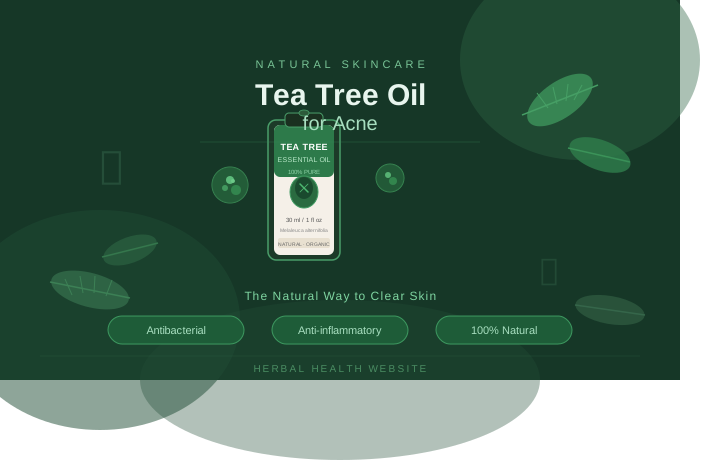

Acne is one of the most common skin problems in the world, affecting people of all ages. While many chemical treatments are available, more and more people are turning to natural remedies — and tea tree oil is one of the most powerful options nature has to offer. This guide explains everything you need to know about using tea tree oil for acne: how it works, how to use it safely, and what science says about its effectiveness.
What Is Tea Tree Oil?
Tea tree oil is a natural essential oil extracted from the leaves of the Melaleuca alternifolia plant, a tree native to Australia. For centuries, indigenous Australians used crushed tea tree leaves to heal cuts, burns, and skin infections. Today, it is one of the most widely used essential oils in the world.
The oil contains over 100 different natural compounds — the most important being terpinen-4-ol, which is responsible for its powerful antibacterial, antifungal, and anti-inflammatory effects. These properties make it especially effective against acne-causing bacteria on the skin.
How Does Tea Tree Oil Fight Acne?
Acne occurs when pores become clogged with excess oil, dead skin cells, and bacteria — particularly a strain called Cutibacterium acnes. Tea tree oil works against acne in three key ways:
- Kills acne-causing bacteria: The active compounds in tea tree oil penetrate the skin and destroy the bacteria responsible for breakouts.
- Reduces inflammation: Tea tree oil calms redness, swelling, and irritation around pimples, making them heal faster and look less visible.
- Controls excess oil: It helps regulate sebum production on the skin, reducing the likelihood of clogged pores and future breakouts.
What Does the Science Say?
Tea tree oil is one of the few natural remedies for acne that has actual clinical research behind it. A landmark study found that 5% tea tree oil gel worked as effectively as 5% benzoyl peroxide — one of the most common chemical acne treatments — in reducing acne lesions. Importantly, tea tree oil caused significantly fewer side effects like dryness and peeling.
A 2017 study where participants applied tea tree oil to their face twice daily for 12 weeks concluded that it can significantly improve mild to moderate acne with no serious side effects. Mayo Clinic also confirms that a gel containing 5% tea tree oil may help relieve acne. Harvard Health notes that research shows tea tree oil reduces mild acne by targeting acne-causing bacteria and decreasing inflammation.
One important note: tea tree oil works more slowly than some chemical treatments, with visible improvement typically beginning at 4 to 6 weeks, compared to 2 weeks for benzoyl peroxide. Patience and consistent use are key.
How to Use Tea Tree Oil for Acne (Step-by-Step)
Never apply pure, undiluted tea tree oil directly to your skin — it is very concentrated and can cause burns, redness, and irritation. Always dilute it first.
Method 1: Spot Treatment (Best for Beginners)
- Mix 1 to 2 drops of tea tree oil with 12 drops of a carrier oil (such as jojoba oil, coconut oil, or sweet almond oil).
- Before applying to your face, do a patch test on the inside of your elbow and wait 24 hours to check for any reaction.
- Wash your face with a gentle cleanser and pat dry.
- Using a cotton swab, gently dab the diluted mixture directly onto pimples or affected areas.
- Let it dry completely, then apply your regular moisturizer.
- Repeat morning and night for best results.
Method 2: Tea Tree Oil Face Wash
Add 2 to 3 drops of tea tree oil to your regular face wash or cleanser. Use this blend to wash your face twice daily. This method is gentler and great for people with sensitive skin or widespread acne.
Method 3: Tea Tree Oil Face Mask
Mix 1 teaspoon of raw honey with 2 drops of diluted tea tree oil. Apply the mixture to your face and leave it on for 10 to 15 minutes. Rinse off with warm water. Honey has additional antibacterial properties, making this a powerful combination for acne-prone skin. Use 2 to 3 times per week.
Safety Tips and Precautions
- Always dilute: Use 5% concentration or less — mix 1 to 2 drops of tea tree oil with 12 drops of carrier oil.
- Patch test first: Test on a small area before applying to your face.
- Avoid eyes and mouth: Tea tree oil should not come near these sensitive areas.
- Never swallow: Tea tree oil is toxic if ingested — keep it away from children.
- Sensitive skin: If you experience increased redness, burning, or irritation, stop use immediately.
- Pregnancy: Consult your doctor before using tea tree oil if you are pregnant or breastfeeding.
Tea Tree Oil vs. Chemical Acne Treatments
Many people ask: is tea tree oil better than benzoyl peroxide or salicylic acid? The answer depends on your skin type and the severity of your acne.
- For mild to moderate acne: Tea tree oil is an excellent natural alternative that works with fewer side effects.
- For severe acne: Chemical treatments or prescription medications may be necessary. Tea tree oil works best as a complementary treatment.
- For sensitive skin: Tea tree oil is often a better choice, as benzoyl peroxide is known to cause dryness and peeling.
Other Skin Benefits of Tea Tree Oil
Beyond acne, tea tree oil offers several other benefits for your skin:
- Reduces acne scars and dark spots left behind by pimples
- Soothes skin irritation and redness caused by eczema or rosacea
- Treats fungal infections like athlete’s foot and nail fungus
- Controls oily skin and reduces shine throughout the day
- Heals minor wounds and insect bites faster
Final Thoughts
Tea tree oil is one of the most well-researched and effective natural remedies for acne. Backed by clinical studies and centuries of traditional use, it offers a gentle but powerful solution for people looking to clear their skin without harsh chemicals. The key is to use it correctly — always diluted, consistently applied, and with realistic expectations about timing.
Whether you use it as a spot treatment, face wash, or mask, tea tree oil can be a valuable addition to your natural skincare routine. If your acne is severe or does not improve after several weeks, consult a dermatologist for professional advice.
Start with a small amount, be consistent, and let nature do its work.
Disclaimer: This article is for informational purposes only and is not a substitute for professional medical advice. Always consult a qualified healthcare provider before starting any new skincare treat