
Rosacea vs. Acne: How to Tell the Difference, Symptoms, Causes, and Treatment
Introduction
Have you ever noticed red pimples, facial redness, or small bumps on your cheeks and wondered whether you have acne or rosacea? These two skin conditions can look surprisingly similar, making it difficult to determine which one is responsible for your symptoms.
Although both acne and rosacea can cause facial bumps and inflammation, they are different conditions with different causes, triggers, and treatment options. Acne commonly develops when pores become clogged with excess oil and dead skin cells, while rosacea is a chronic inflammatory skin condition that often causes persistent redness, flushing, and acne-like bumps.
Understanding the difference between rosacea vs. acne is important because using the wrong skincare products or treatments may worsen irritation and inflammation.
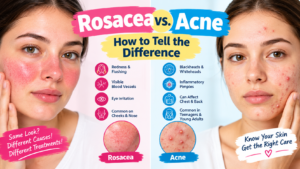
Acne can affect the face, chest, shoulders, and back, whereas rosacea primarily affects the face, particularly the cheeks, nose, chin, and forehead. Rosacea may also cause visible blood vessels, burning sensations, and eye irritation.
In this comprehensive guide, you will learn how to recognize acne and rosacea, understand their causes, compare treatment options, and discover practical ways to manage symptoms and support healthier skin.
Key Takeaways
- Acne and rosacea can both cause facial bumps, redness, and inflammation, but they have different underlying causes.
- Blackheads and whiteheads are common signs of acne but are not typical features of rosacea.
- Rosacea often causes persistent facial redness, flushing, visible blood vessels, and sometimes eye symptoms.
- Acne is common during adolescence and young adulthood, while rosacea frequently develops in adulthood.
- Treatments differ, so identifying the correct condition is important before using medicated skincare products.
- Gentle skincare, sun protection, and avoiding individual triggers can help manage both conditions.
What Is Acne?
Acne is a common skin condition that develops when hair follicles become clogged with oil, dead skin cells, and other debris. Inflammation and the activity of skin bacteria can contribute to the development of pimples.
Although acne is particularly common during puberty, it can affect people of any age. Some adults continue to experience acne or develop breakouts later in life.
Acne can appear on the face, forehead, chin, chest, shoulders, and back. Its appearance depends on the type and severity of the condition.
Youtube Video
Common Types of Acne
1. Comedonal Acne
Comedonal acne develops when pores become clogged. It commonly produces two types of blemishes:
- Whiteheads: Small bumps that form when pores become blocked beneath the skin’s surface.
- Blackheads: Dark-looking clogged pores that remain open at the surface.
Blackheads are a useful clue when distinguishing acne from rosacea because rosacea does not typically cause them.
2. Inflammatory Acne
Inflammatory acne causes red, swollen bumps called papules and pus-filled pimples called pustules.
These blemishes may feel tender and can become more noticeable when inflammation increases.
3. Nodular and Cystic Acne
More severe acne can produce deep, painful lumps beneath the skin. Nodules are firm, inflamed bumps, while cyst-like lesions may contain pus.
Severe inflammatory acne can cause permanent scars if it is not treated appropriately.
People with persistent or painful acne should consider consulting a dermatologist for an individualized treatment plan.
What Is Rosacea?
Rosacea is a chronic inflammatory skin condition that primarily affects the face. It can cause persistent redness, episodes of flushing, visible blood vessels, and acne-like bumps.
Rosacea often develops during adulthood, particularly after age 30, although it can occur earlier.
Unlike ordinary acne, rosacea is not primarily caused by clogged pores. Its development is associated with several factors, including inflammation, changes in skin blood vessels, genetics, and environmental triggers.
Rosacea commonly affects the cheeks, nose, chin, and forehead. Symptoms can vary from person to person, and some people experience more than one type of symptom.
Common Signs and Symptoms of Rosacea
Persistent facial redness: The skin may appear red or discolored, particularly around the cheeks and nose. On darker skin tones, redness may be less obvious and can appear violet, brownish, or darker than the surrounding skin.
Facial flushing: The face may suddenly feel warm and appear flushed after exposure to heat, sunlight, emotional stress, or other triggers.
Acne-like bumps: Rosacea can cause inflamed bumps and pus-filled pimples that resemble acne. However, typical blackheads and whiteheads are generally absent.
Visible blood vessels: Small blood vessels may become noticeable beneath the skin, particularly around the nose and cheeks.
Burning or stinging: Some people experience uncomfortable burning, stinging, dryness, or increased skin sensitivity.
Eye irritation: Rosacea can affect the eyes and eyelids, causing redness, dryness, irritation, burning, or swelling.
Skin thickening: In some cases, particularly in advanced rosacea, the skin may thicken and develop an uneven texture. This can affect the nose.
Because rosacea is a chronic condition, symptoms may fluctuate. Periods of increased redness and inflammation can alternate with periods when the skin appears calmer.
Rosacea vs. Acne: What Are the Main Differences?
Although acne and rosacea may look alike, several characteristics can help distinguish them.
1. Appearance of Skin Bumps
Acne commonly produces blackheads, whiteheads, inflamed pimples, and sometimes deep nodules or cysts.
Rosacea may cause red or discolored bumps and pustules, but it generally does not produce blackheads.
If your facial breakouts include many clogged pores, acne may be more likely. However, a dermatologist should evaluate persistent or unusual symptoms.
2. Facial Redness
Rosacea frequently causes redness across larger areas of the face. Some people experience flushing that becomes more noticeable after eating spicy food, drinking hot beverages, or spending time in the sun.
Acne usually causes redness concentrated around individual inflamed pimples rather than persistent redness across the cheeks and nose.
However, acne and skin irritation can also cause widespread redness, so this symptom alone cannot establish a diagnosis.
3. Age of Onset
Acne commonly begins during adolescence and may continue into adulthood.
Rosacea more frequently develops after age 30, although younger adults can also develop it.
Age can provide a useful clue, but it cannot confirm which condition you have. Adults can develop acne, and rosacea does not exclusively affect older individuals.
4. Areas of the Body Affected
Acne may appear on the face, chest, shoulders, and back because these areas contain oil-producing glands and hair follicles.
Rosacea primarily affects the central face, including the cheeks, nose, chin, and forehead.
Rosacea-like symptoms elsewhere on the body are less typical and may require evaluation for another condition.
5. Eye Symptoms
Rosacea can affect the eyes and eyelids, producing redness, irritation, burning, dryness, or swelling.
Acne does not typically cause these eye symptoms.
If you experience persistent eye irritation alongside facial redness, consult a healthcare professional. Eye pain, light sensitivity, or changes in vision require urgent medical assessment.
6. Common Triggers
Acne may be influenced by hormonal changes, excess oil production, certain medications, stress, and individual dietary factors.
Rosacea commonly flares in response to sunlight, heat, temperature changes, emotional stress, spicy foods, and hot beverages. Alcohol is another potential trigger for some people.
Recognizing patterns in your symptoms can help you identify personal triggers and manage flare-ups.
Rosacea vs. Acne: Comparison Table
| Feature | Acne | Rosacea |
|---|---|---|
| Typical age | Common in teenagers and young adults | Frequently begins after age 30 |
| Common locations | Face, chest, shoulders, and back | Mainly cheeks, nose, chin, and forehead |
| Blackheads | Common | Not typical |
| Whiteheads | Common | Not typical |
| Inflamed bumps | Yes | Yes |
| Persistent facial redness | Usually localized around pimples | Common |
| Facial flushing | Not a defining symptom | Common |
| Visible blood vessels | Not typical | Can occur |
| Eye irritation | Not a typical feature | Possible |
| Skin thickening | Not typical | Possible in some cases |
| Common contributing factors | Clogged pores, oil, hormones, and inflammation | Inflammation, blood vessel changes, genetics, and environmental factors |
| Treatment goal | Unclog pores and reduce inflammation | Reduce redness, flushing, and inflammation |
These differences can help guide your understanding, but a comparison table cannot replace a professional skin examination.
What Causes Acne?
Acne develops through several interacting processes involving clogged hair follicles, excess oil, inflammation, and the activity of skin microorganisms.
Hormonal Changes
Hormones called androgens can stimulate oil production. This is one reason acne often develops during puberty.
Hormonal fluctuations associated with menstruation and certain other conditions can also contribute to breakouts in adults.
Excess Oil Production
Sebaceous glands produce sebum to lubricate the skin. However, excess oil can combine with dead skin cells and contribute to clogged pores.
This creates an environment in which acne lesions can develop.
Inflammation and Skin Bacteria
The bacterium Cutibacterium acnes naturally lives on the skin. Changes in the follicle environment and inflammation can contribute to acne development.
Acne is not simply a result of poor hygiene, and repeatedly washing or scrubbing the face will not necessarily improve it.
Stress
Stress does not directly cause every acne breakout, but it may aggravate existing acne in some people.
Stress management, adequate sleep, and a consistent skincare routine can support overall skin health.
Diet and Medications
Some research suggests that high-glycemic dietary patterns may worsen acne in certain individuals. The relationship between dairy products and acne varies between people.
Certain medications, including corticosteroids and testosterone, may also contribute to acne-like breakouts.
If you suspect that a medication is affecting your skin, speak with your healthcare professional before making any changes.
What Causes Rosacea?
The exact cause of rosacea is not fully understood. Research suggests that several biological and environmental factors may contribute to its development.
Inflammation
Changes in the skin’s immune response may contribute to inflammation, redness, and acne-like bumps.
This inflammation can make the skin more sensitive to products and environmental conditions.
Blood Vessel Changes
People with rosacea may experience increased blood vessel reactivity. These changes can contribute to facial flushing, persistent redness, and visible small blood vessels.
Genetics
Rosacea can run in families, suggesting that genetic factors may influence susceptibility.
However, having a family history does not mean someone will necessarily develop the condition.
Sun Exposure
Ultraviolet radiation can aggravate rosacea symptoms. Sun exposure may trigger flushing and contribute to persistent facial redness.
Daily sunscreen and other sun-protection measures are important parts of rosacea management.
Environmental Triggers
Heat, cold weather, hot drinks, spicy foods, emotional stress, and alcohol can trigger symptoms in some individuals.
Triggers vary considerably, so it is helpful to identify which factors affect your own skin rather than avoiding everything unnecessarily.
Can You Have Rosacea and Acne at the Same Time?
Yes. Although they are different conditions, a person can develop both acne and rosacea.
For example, an adult may experience clogged pores and blackheads associated with acne while also having persistent redness and flushing associated with rosacea.
Having both conditions can complicate treatment because some acne products may irritate rosacea-prone skin.
A dermatologist can evaluate the different symptoms and recommend a treatment plan that addresses both conditions without unnecessarily aggravating inflammation.
Avoid assuming that every facial bump requires an acne treatment. The appropriate approach depends on the underlying diagnosis.
Treatment Options for Acne
Acne treatment depends on the type of lesions, their severity, the person’s age, and whether scarring is present.
Over-the-Counter Treatments
Benzoyl peroxide: This ingredient helps reduce acne-associated bacteria and inflammation. It may cause dryness, redness, or irritation, particularly when used too frequently.
Salicylic acid: This ingredient helps exfoliate inside pores and may improve blackheads and certain mild acne breakouts.
Adapalene: This topical retinoid helps prevent clogged pores and treat acne. It can cause irritation and may not be appropriate for everyone.
Pregnant people or those planning pregnancy should consult a healthcare professional before using retinoids.
Prescription Treatments
A dermatologist may recommend topical retinoids, prescription benzoyl peroxide combinations, topical antibiotics, or other treatments depending on the individual’s needs.
Oral medications may be appropriate for moderate or severe acne. Options can include certain antibiotics, hormonal treatments for eligible patients, or isotretinoin for selected cases.
These treatments have different risks and precautions. They should be selected with a qualified healthcare professional rather than used without medical guidance.
Procedures for Acne Scars
Some people develop persistent acne scars even after active breakouts improve.
Depending on the type of scarring, a dermatologist may discuss procedures such as selected laser treatments, microneedling, or chemical peels.
These procedures are not suitable for every skin type or every scar, and some may aggravate inflammation if performed inappropriately.
Treatment Options for Rosacea
Rosacea treatment aims to control inflammation, reduce flushing and visible redness, and improve the skin’s comfort.
Although rosacea is a chronic condition, appropriate treatment can help many people manage their symptoms.
Topical Treatments
Metronidazole: This topical medication can help reduce inflammatory rosacea bumps.
Azelaic acid: Prescription formulations may improve inflammatory bumps and redness in some people. Irritation can occur, especially on sensitive skin.
Ivermectin: Topical ivermectin is used to treat inflammatory lesions associated with rosacea.
Brimonidine or oxymetazoline: These medications can temporarily reduce persistent facial redness by constricting blood vessels. They do not work for everyone and may cause side effects.
The choice of medication depends on the person’s symptoms, skin sensitivity, and medical history.
Oral Medications
For more persistent or extensive inflammatory rosacea, a clinician may prescribe oral medication.
Doxycycline is sometimes used at doses intended to reduce inflammation. Other treatments may be considered for selected patients when appropriate.
Oral medications can have important side effects and precautions, so they should be used only under medical supervision.
Laser and Light-Based Treatments
Certain laser or light-based procedures may help reduce visible blood vessels and persistent redness.
These treatments require professional assessment because the best approach depends on the skin’s appearance, skin tone, and specific rosacea symptoms.
Procedures may require multiple sessions, and results vary.
Eye Care for Ocular Rosacea
People with ocular rosacea may need treatment directed at the eyes and eyelids.
If you have persistent eye redness, burning, dryness, or swollen eyelids, seek medical advice. Eye pain, sensitivity to light, or vision changes warrant urgent assessment.
How to Prevent Acne Breakouts
Although acne cannot always be prevented, certain habits may help reduce breakouts and support skin health.
Follow a Gentle Skincare Routine
Wash your face gently twice daily and after heavy sweating. Use a suitable cleanser and avoid excessive scrubbing.
Choose a moisturizer labeled non-comedogenic if you are prone to clogged pores.
Use Sunscreen
Choose a broad-spectrum sunscreen with SPF 30 or higher. Sunscreen helps protect the skin from ultraviolet radiation and is particularly important when acne treatments make the skin more sensitive to sunlight.
Avoid Picking Pimples
Picking, squeezing, or scratching acne lesions can increase inflammation and the risk of scarring.
Allow blemishes to heal and seek treatment for persistent or severe acne.
Choose Makeup Carefully
If you wear makeup, look for non-comedogenic products and remove them gently before sleeping.
Avoid introducing multiple new products at the same time because this can make irritation more difficult to identify.
Maintain Balanced Lifestyle Habits
Regular physical activity, adequate sleep, stress management, and a balanced diet support overall health.
If you notice that particular foods consistently appear to aggravate your acne, discuss the pattern with a healthcare professional rather than adopting a highly restrictive diet.
How to Prevent Rosacea Flare-Ups
Rosacea cannot always be prevented, but identifying and avoiding personal triggers may help reduce the frequency and severity of flare-ups.
Protect Your Skin From the Sun
Use broad-spectrum SPF 30 or higher sunscreen every day. Wear a wide-brimmed hat, seek shade, and limit prolonged exposure to strong sunlight.
If sunscreen irritates your skin, consider trying a fragrance-free formula designed for sensitive skin.
Avoid Excessive Heat
Hot weather, saunas, hot showers, and strenuous activity in high temperatures may trigger flushing.
Try cooler environments, lukewarm water, and appropriate cooling strategies when necessary.
Exercise is beneficial for overall health, so the goal is to manage heat-related triggers rather than stop exercising.
Identify Food and Drink Triggers
Spicy foods, hot beverages, and alcohol can trigger rosacea symptoms in some people.
Keep track of your symptoms to identify whether particular foods or drinks consistently cause flare-ups.
There is no need to eliminate every potential trigger if it does not affect your skin.
Choose Gentle Skincare Products
Rosacea-prone skin may be sensitive to fragrances, harsh cleansers, scrubs, and strong active ingredients.
Choose gentle products and introduce new treatments gradually. If a product causes persistent burning or irritation, discontinue it and seek advice if symptoms continue.
Manage Stress
Emotional stress may trigger flushing in some people.
Relaxation techniques, regular sleep, breathing exercises, and enjoyable activities may help manage stress and support general well-being.
What Happens if Acne or Rosacea Is Left Untreated?
Both conditions can affect physical comfort, appearance, and emotional well-being.
Possible Complications of Acne
Mild acne may improve over time, but persistent or severe acne can cause permanent scars and long-lasting changes in skin pigmentation.
Acne may also affect self-confidence and contribute to anxiety or low mood.
Early treatment can help reduce inflammation and the risk of scarring.
Possible Complications of Rosacea
Without appropriate management, rosacea may become more persistent or severe in some people.
Possible complications include ongoing facial redness, visible blood vessels, and thickened skin. Ocular rosacea may cause significant eye discomfort and, in severe cases, complications affecting the cornea.
Seek medical advice if symptoms persist, worsen, or interfere with everyday life.
When Should You See a Dermatologist?
It can be difficult to distinguish acne from rosacea based on appearance alone. A dermatologist can examine your skin, review your symptoms, and recommend appropriate treatment.
Consider arranging an appointment if:
- Your facial redness persists or repeatedly returns.
- You experience acne-like bumps without typical blackheads or whiteheads.
- Your skin burns or stings when you apply ordinary skincare products.
- Your acne is painful, severe, or causing scars.
- Over-the-counter treatments are not improving your symptoms.
- You develop redness or irritation around the eyes.
Seek urgent medical attention for eye pain, light sensitivity, or changes in vision.
Getting the correct diagnosis can help you avoid unnecessary products and choose a treatment that is appropriate for your skin.
Frequently Asked Questions
1. How Can I Tell if I Have Rosacea or Acne?
Acne commonly causes blackheads, whiteheads, clogged pores, and pimples. Rosacea more often causes persistent facial redness, flushing, visible blood vessels, and acne-like bumps without typical blackheads.
These clues can be helpful, but a healthcare professional may be needed to confirm the diagnosis.
2. Can Rosacea Be Mistaken for Acne?
Yes. Rosacea can produce red bumps and pus-filled pimples that resemble inflammatory acne.
However, rosacea often involves persistent facial redness or flushing, while acne commonly produces clogged pores and blackheads.
Because the treatments differ, a professional assessment may be helpful when symptoms are unclear.
3. Does Rosacea Go Away Permanently?
Rosacea is generally a chronic condition. Although symptoms may improve with appropriate treatment and trigger management, flare-ups can return.
A consistent skincare routine, sun protection, and prescribed treatments may help control symptoms over time.
4. Can Acne Cause Facial Redness?
Yes. Inflamed acne lesions can cause redness around individual pimples. Severe inflammation or irritation from skincare products may also make the face appear red.
However, persistent redness across the cheeks and nose, especially with flushing, may indicate rosacea or another skin condition.
5. Can I Use Acne Products if I Have Rosacea?
Some acne products may irritate rosacea-prone skin. Ingredients such as benzoyl peroxide, salicylic acid, and retinoids can cause dryness or burning in some people.
Do not assume these ingredients are always unsuitable, but seek professional guidance before using them to treat uncertain facial breakouts.
6. What Is the Best Treatment for Rosacea?
The best treatment depends on the symptoms. Topical metronidazole, azelaic acid, ivermectin, and certain redness-reducing medications may be appropriate for selected patients.
Some people may benefit from oral medication or laser treatment. A dermatologist can help determine which options suit your condition.
7. Can Stress Make Rosacea or Acne Worse?
Stress may aggravate both conditions in some people. It can be helpful to maintain a consistent skincare routine, get adequate sleep, and use stress-management techniques.
However, stress is only one possible contributing factor and is not the sole cause of either condition.
8. Is Rosacea More Common After Age 30?
Rosacea frequently develops in adults over 30, although it can occur earlier.
Acne is common in teenagers and young adults, but it can also persist or develop during adulthood.
Age alone cannot determine which condition is present.
9. Can You Have Rosacea and Acne Together?
Yes. Some people experience both conditions at the same time.
A dermatologist can identify the different symptoms and recommend treatments that address acne without unnecessarily aggravating rosacea.
Conclusion
Rosacea and acne can look similar, but understanding their differences is essential for choosing appropriate treatment.
Acne commonly develops when pores become clogged with oil and dead skin cells. It can cause blackheads, whiteheads, inflammatory pimples, and sometimes deep nodules or cysts.
Rosacea is a chronic inflammatory condition that primarily affects the face. It often causes persistent redness, flushing, visible blood vessels, and acne-like bumps. Some people also experience eye irritation or skin thickening.
The most important clues are the presence of blackheads, the pattern of facial redness, the location of breakouts, and any associated eye symptoms. However, these features cannot confirm a diagnosis on their own.
A gentle skincare routine, daily sun protection, and identifying personal triggers can help support skin health. If you experience persistent redness, painful breakouts, scarring, or eye symptoms, consult a qualified healthcare professional.
Understanding whether you have rosacea, acne, or both is the first step toward finding the right treatment and achieving healthier, more comfortable skin.