

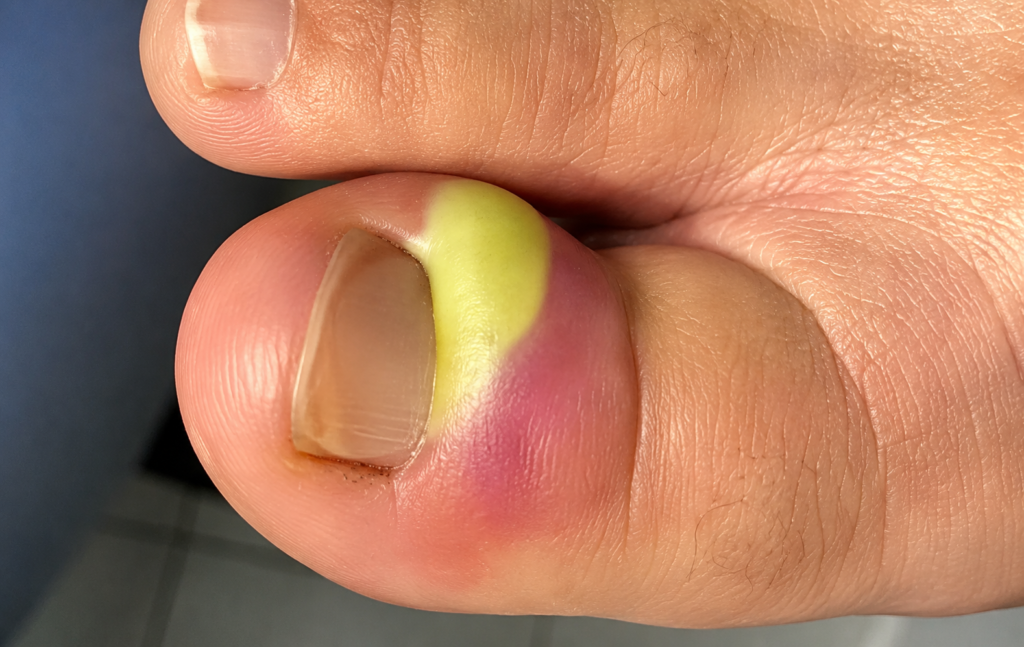
A broken nail with a wound can be painful and uncomfortable. Even a small nail injury may make daily activities difficult because fingers and toes are used constantly. Many people experience this after accidentally hitting a nail, cutting it too deeply, catching it on clothing, or damaging it during work. The good news is that many minor nail injuries can improve at home with proper care and hygiene.
This article explains simple home care methods, signs of healing, and when medical help may be needed.
What Happens When a Nail Breaks?
When a nail breaks deeply, it may expose the skin underneath, known as the nail bed. This area is sensitive and contains many small blood vessels and nerves. Because of this, an injured nail may become painful, swollen, red, or bleed.
A broken nail injury may happen because of:
- Cutting nails too short
- Accidental trauma
- Closing fingers in a door
- Sports injuries
- Weak or brittle nails
- Dry skin around nails
- Nail infections
The severity can range from a small crack to a complete nail tear.
First Steps After a Nail Injury
The first few minutes after injury are important.
1. Wash Your Hands
Before touching the injured nail, wash your hands using clean water and mild soap. This helps reduce dirt and bacteria.
2. Stop Bleeding
If bleeding occurs, place clean gauze or cloth over the area and apply gentle pressure for several minutes.
3. Clean the Wound
Rinse the injured area with clean running water. Avoid using harsh chemicals directly on the wound.
4. Dry Carefully
Pat dry with a clean towel instead of rubbing.
Home Treatment for a Broken Nail
If the injury is mild and the nail is still mostly attached, home care may help.
Keep the Area Protected
Cover the nail using a clean bandage. Replace the bandage daily or whenever it becomes wet.
Use Cold Compress
Apply a wrapped ice pack for 10–15 minutes to reduce swelling.
Avoid Pulling the Nail
If part of the nail is loose, do not pull it off. Pulling may increase pain and damage the nail bed.
Trim Only Loose Sharp Edges
Carefully trim hanging pieces that catch on fabric.
Keep It Dry
Moist environments can increase irritation and delay recovery.
Natural Ways to Support Healing
These methods may support comfort but should not replace medical treatment.
Warm Salt Water Soak
After the first day, soaking briefly in warm salt water may help keep the area clean.
Aloe Vera
A small amount around the surrounding skin may help dryness.
Coconut Oil
Applying around the outer skin can help reduce dryness.
Do not place home remedies inside an open deep wound.
Foods That Support Nail Recovery
Nutrition supports healthy nail growth.
Include:
- Eggs for protein
- Leafy vegetables
- Fruits rich in vitamin C
- Nuts and seeds
- Fish and healthy fats
- Plenty of water
Healthy nails grow gradually, so recovery takes time.
Common Mistakes to Avoid
Many people accidentally make the injury worse.
Avoid:
- Peeling broken nail pieces
- Covering with dirty bandages
- Picking dried skin
- Using strong chemicals
- Ignoring pain or swelling
- Wearing tight shoes if toenails are injured
How Long Does Healing Take?
Healing depends on the depth of injury.
- Mild injuries: several days to 2 weeks
- Deeper nail injuries: several weeks
- Full nail regrowth may take months
Fingernails usually recover faster than toenails.
Signs That the Nail Is Improving
Healing may include:
- Less pain
- Reduced redness
- New nail growth
- No bleeding
- Skin closing gradually
Recovery often happens slowly.
When to Get Medical Help
Home treatment is not enough if:
- Bleeding does not stop
- Severe swelling appears
- Thick yellow discharge develops
- The nail completely separates
- Pain becomes severe
- Fever develops
- Movement becomes difficult
These signs may require professional evaluation.
Tips to Prevent Future Nail Injuries
Once healed, protect nails by:
- Cutting nails straight and not too short
- Wearing gloves during work
- Moisturizing dry skin
- Avoiding nail biting
- Using proper nail tools
- Being gentle during trimming
Final Thoughts
A broken nail with a wound can feel painful at first, but many mild injuries improve with careful home care. Clean the area, protect it from further damage, avoid pulling the nail, and give the body time to heal. Recovery may not happen overnight, but steady care can support healthy nail growth again.
If symptoms become worse or healing does not improve, getting medical advice is the safest next step.
