

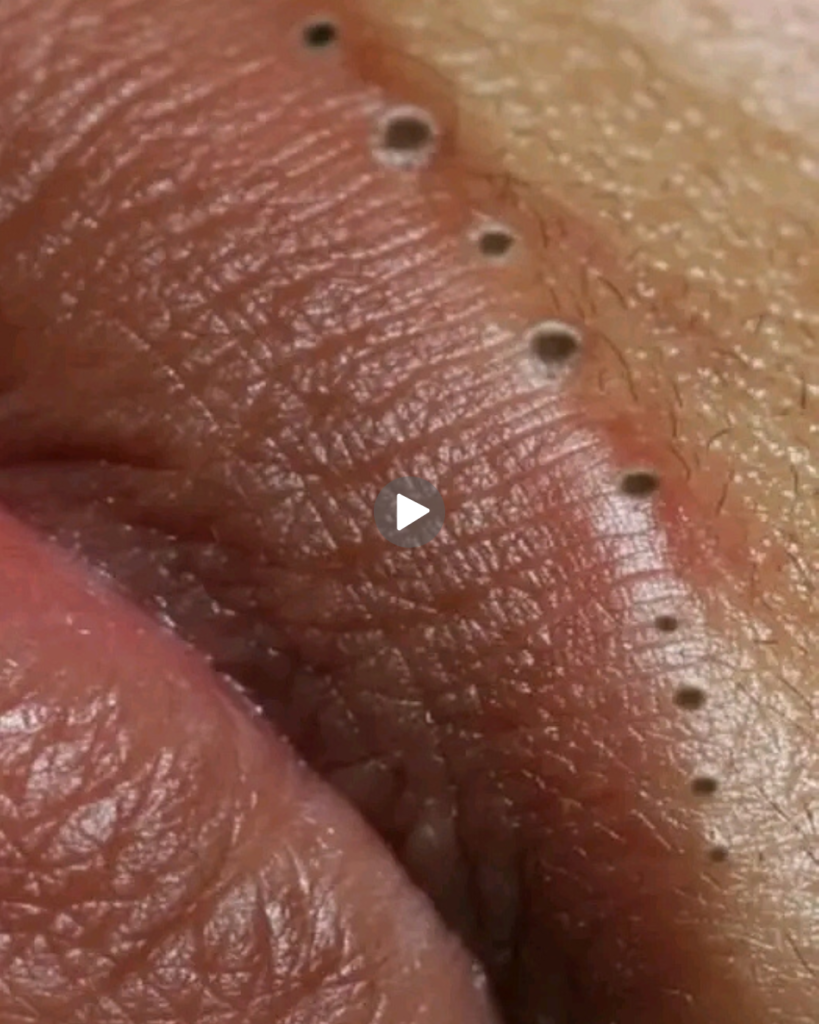
Lip acne can be painful, irritating, and difficult to hide. Many people experience small pimples, swelling, redness, or painful bumps around the lips at some point in their lives. Because the skin around the lips is sensitive, acne in this area can feel more uncomfortable than pimples on other parts of the face. Eating, smiling, or even speaking may become painful when lip acne becomes inflamed.
Understanding the causes of painful lip acne and learning how to treat it properly can help reduce discomfort and prevent future breakouts. In this article, you will learn the common causes, effective treatments, home remedies, and prevention tips for painful acne around the lips.
What Is Lip Acne?
Lip acne refers to pimples or inflamed bumps that appear on or around the lips. These pimples may contain pus, become swollen, or feel painful when touched. In some cases, lip acne may look similar to cold sores or allergic reactions, but acne is usually caused by clogged pores, bacteria, excess oil, or skin irritation.
The skin around the mouth contains oil glands that can become blocked with dead skin cells, dirt, and oil. When bacteria grow inside clogged pores, painful acne develops.
Common Symptoms of Painful Lip Acne
Painful lip acne can appear in different forms. Common symptoms include:
- Red swollen bumps around the lips
- Whiteheads or pus-filled pimples
- Tenderness and pain
- Burning or itching sensation
- Dry or peeling skin
- Pain while eating or talking
- Small cyst-like bumps
If the acne becomes severe, it may leave scars or dark marks after healing.
Main Causes of Painful Lip Acne
Understanding the cause of lip acne is important for proper treatment. Several factors can trigger painful breakouts around the mouth.
1. Excess Oil Production
When the skin produces too much oil, pores can become blocked. Oil mixed with bacteria and dead skin cells creates pimples and painful inflammation.
2. Hormonal Changes
Hormonal imbalance is one of the biggest causes of acne around the lips and chin. Hormones increase oil production, especially during:
- Puberty
- Menstrual cycles
- Stress
- Pregnancy
- Lack of sleep
Hormonal acne is often painful and deep under the skin.
3. Dirty Lip Products
Lipsticks, lip balms, and glosses may contain oils or chemicals that clog pores. Sharing lip products or using expired makeup can also spread bacteria.
4. Poor Hygiene
Touching the lips with dirty hands or not cleaning the face properly can transfer bacteria to the skin. This increases the risk of infection and acne.
5. Spicy and Oily Foods
Greasy foods can leave oil around the mouth area. Spicy foods may irritate sensitive skin and trigger breakouts near the lips.
6. Stress and Anxiety
Stress increases cortisol levels in the body, which can lead to more oil production and acne flare-ups.
7. Toothpaste Irritation
Some toothpaste ingredients, especially fluoride or strong whitening chemicals, may irritate the skin around the lips and cause acne-like bumps.
How to Clean Painful Lip Acne Safely
Cleaning painful lip acne correctly is important because harsh scrubbing can worsen irritation.
Wash Gently
Use a mild facial cleanser twice daily. Avoid strong soaps because they can dry out the skin and increase irritation.
Use Warm Water
Warm water helps open pores and remove excess oil without damaging sensitive skin around the lips.
Avoid Scrubbing
Do not rub the acne aggressively. Gentle cleansing prevents further redness and pain.
Keep Lips Moisturized
Use non-comedogenic lip balm to prevent dryness and cracking.
Remove Makeup Before Sleeping
Sleeping with makeup can clog pores and worsen acne.
Best Treatments for Painful Lip Acne
Several treatments can help reduce pain and heal lip acne faster.
1. Benzoyl Peroxide
Benzoyl peroxide kills acne-causing bacteria and reduces inflammation. Use small amounts carefully because it can dry the lips.
2. Salicylic Acid
Salicylic acid helps unclog pores and remove dead skin cells. It is effective for mild to moderate acne.
3. Ice Therapy
Applying ice wrapped in a clean cloth can reduce swelling and numb pain.
Steps:
- Wrap ice in soft cloth
- Apply for 1–2 minutes
- Repeat several times daily
4. Tea Tree Oil
Tea tree oil has antibacterial properties that may help reduce acne bacteria.
Important:
Always dilute tea tree oil before applying to sensitive skin.
5. Aloe Vera Gel
Aloe vera soothes irritation and helps reduce redness naturally.
6. Antibiotic Creams
Severe painful acne may require medicated creams prescribed by a doctor.
Home Remedies for Lip Acne Pain
Natural remedies can sometimes help reduce discomfort and inflammation.
Honey
Honey has antibacterial properties and may help calm irritated skin.
Green Tea
Green tea contains antioxidants that reduce inflammation.
Turmeric Paste
Turmeric may help reduce redness because of its anti-inflammatory effects.
Cucumber
Cool cucumber slices may soothe painful acne and reduce swelling.
Foods That May Help Reduce Lip Acne
Healthy eating can improve skin health and reduce acne breakouts.
Eat More:
- Fruits
- Vegetables
- Nuts
- Fish rich in omega-3
- Water-rich foods
Avoid Excess:
- Sugary snacks
- Oily fast food
- Excess dairy
- Soft drinks
Drinking enough water also helps keep the skin healthy and hydrated.
Habits That Make Lip Acne Worse
Many people unknowingly worsen painful lip acne through bad habits.
Popping Pimples
Popping acne can spread bacteria and increase scarring.
Licking Lips Frequently
Saliva may irritate the skin and worsen inflammation.
Using Heavy Makeup
Thick makeup can clog pores around the lips.
Touching Acne Constantly
Dirty hands transfer bacteria and increase infection risk.
How to Prevent Painful Lip Acne
Prevention is the best long-term solution for healthy skin.
Maintain Good Hygiene
Wash your face regularly and avoid touching your lips unnecessarily.
Choose Non-Comedogenic Products
Use skincare and lip products that do not clog pores.
Clean Pillowcases Often
Dirty pillowcases collect oil and bacteria that can transfer to the skin.
Manage Stress
Exercise, sleep, and relaxation techniques may help reduce stress-related acne.
Stay Hydrated
Water helps flush toxins and supports healthy skin function.
Follow a Healthy Skincare Routine
A simple routine can help prevent breakouts:
- Gentle cleanser
- Light moisturizer
- Sunscreen
- Acne treatment if needed
Consistency is important for clear skin.
When to See a Doctor
Sometimes painful lip acne may require medical attention. Consult a dermatologist if:
- Acne becomes very swollen
- Pimples bleed or leak pus
- Pain becomes severe
- Acne spreads rapidly
- Home treatments do not work
- Scars begin forming
A doctor may prescribe stronger medications or identify underlying skin conditions.
Difference Between Lip Acne and Cold Sores
Many people confuse acne with cold sores. However, they are different conditions.
Lip Acne:
- Usually contains pus
- Caused by clogged pores
- Often painful when touched
Cold Sores:
- Caused by herpes virus
- Appear as fluid-filled blisters
- Often accompanied by tingling sensation
Correct identification is important for proper treatment.
Final Thoughts
Painful lip acne can affect comfort, confidence, and daily life. Although acne around the lips is common, proper skincare and healthy habits can help reduce breakouts and prevent irritation. Gentle cleansing, avoiding pore-clogging products, managing stress, and using effective acne treatments can improve skin health over time.
Patience is important because acne does not disappear overnight. Avoid squeezing pimples, keep the skin clean, and follow a consistent skincare routine for the best results. If the acne becomes severe or continues returning, consulting a dermatologist is the safest option.
With proper care and treatment, painful lip acne can heal, and your skin can become healthier and clearer again.
