

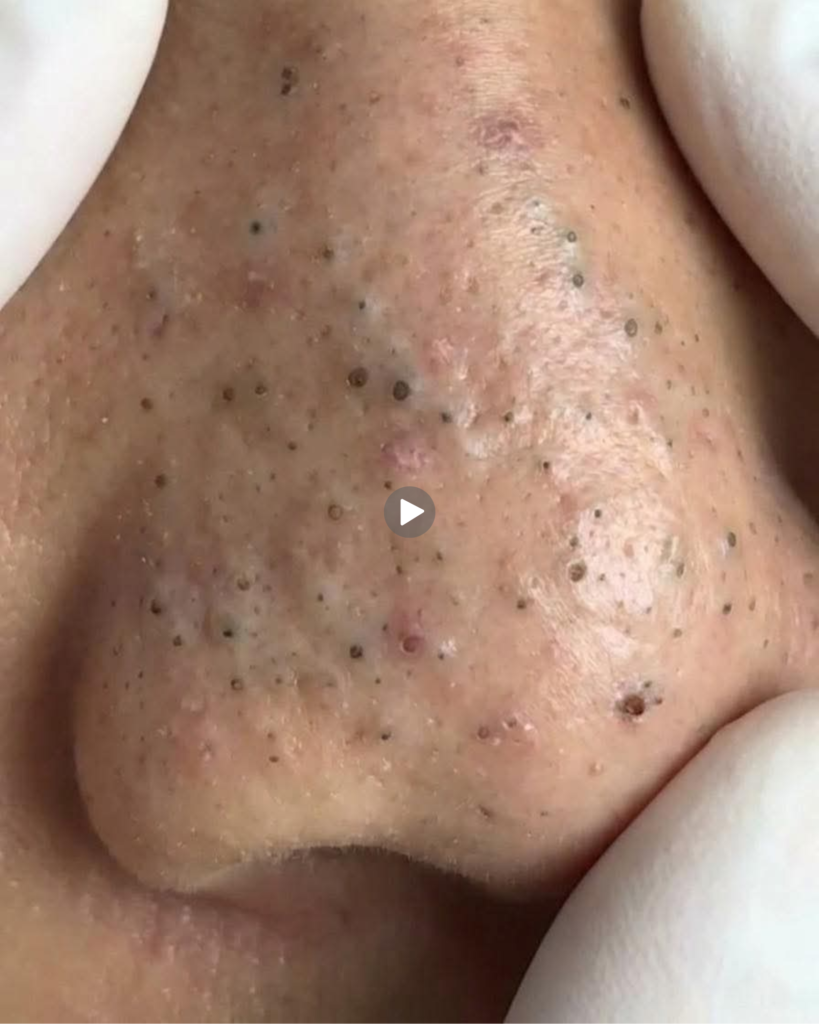
Introduction
Ingrown hair is a common skin problem that affects both men and women. It happens when a hair curls back or grows sideways into the skin instead of growing outward normally. This condition can cause redness, itching, swelling, and painful bumps that often look like pimples. Ingrown hairs commonly appear after shaving, waxing, or plucking hair and are most common on the face, neck, legs, underarms, and bikini area.
Although ingrown hairs are usually harmless, they can become uncomfortable and may lead to infection, dark spots, or scarring if not treated properly. Understanding the causes, symptoms, treatment options, and prevention methods can help you keep your skin healthy and smooth.
This article explains everything you need to know about ingrown hair, including natural remedies, skincare tips, and the best prevention techniques.
What Is Ingrown Hair?
An ingrown hair occurs when a strand of hair grows back into the skin instead of rising from the follicle. The body may react to the trapped hair as a foreign object, causing inflammation and irritation.
People with curly or coarse hair are more likely to develop ingrown hairs because curved hair can easily bend back into the skin.
Common Causes of Ingrown Hair
Several factors can increase the risk of ingrown hairs. Understanding these causes can help prevent future skin problems.
1. Shaving Incorrectly
Shaving too closely to the skin can create sharp hair tips that easily grow back into the skin.
Common shaving mistakes include:
- Using dull razors
- Shaving against hair growth
- Dry shaving without cream or gel
- Pressing too hard with the razor
2. Waxing and Plucking
Hair removal methods such as waxing and tweezing can break hair unevenly beneath the skin surface, increasing the chance of ingrown hairs.
3. Tight Clothing
Tight clothes rub against the skin and create friction, especially in sensitive areas like the bikini line and underarms. This irritation may force hairs to grow inward.
4. Dead Skin Build-Up
Dead skin cells can block hair follicles, trapping hairs under the skin and preventing normal growth.
5. Curly or Thick Hair
Curly hair naturally bends and can re-enter the skin after shaving or trimming.
Symptoms of Ingrown Hair
Ingrown hairs can look different depending on the severity of the irritation.
Common symptoms include:
- Small red bumps
- Itching or tenderness
- Painful swelling
- Pus-filled bumps
- Darkened skin spots
- Visible trapped hair under the skin
Sometimes ingrown hairs resemble acne, making them difficult to identify.
Areas Most Affected by Ingrown Hair
Ingrown hairs can appear almost anywhere hair grows.
Common areas include:
- Beard area in men
- Neck
- Legs
- Underarms
- Bikini line
- Chest
- Scalp
Men often experience ingrown hairs after shaving facial hair, while women commonly notice them after waxing or shaving legs and bikini areas.
How to Treat Ingrown Hair
Most ingrown hairs improve with simple home care. However, severe cases may require medical treatment.
1. Stop Shaving Temporarily
Allowing the hair to grow naturally gives the skin time to heal and reduces irritation.
2. Apply Warm Compresses
A warm compress softens the skin and helps trapped hair rise to the surface.
How to use:
- Soak a clean cloth in warm water
- Apply to the affected area for 10 minutes
- Repeat 2–3 times daily
3. Gently Exfoliate the Skin
Exfoliation removes dead skin cells and helps release trapped hairs.
Natural exfoliation options:
- Sugar scrub
- Oatmeal paste
- Soft washcloth
- Gentle exfoliating brush
Avoid aggressive scrubbing because it can worsen inflammation.
4. Use Tea Tree Oil
Tea tree oil has antibacterial and anti-inflammatory properties that may reduce redness and infection.
How to apply:
- Mix a few drops with carrier oil
- Apply gently with cotton
5. Aloe Vera Gel
Aloe vera cools irritated skin and supports healing naturally.
Benefits:
- Reduces redness
- Moisturizes skin
- Calms irritation
6. Salicylic Acid Products
Salicylic acid helps unclog pores and remove dead skin cells. Many skincare products designed for acne can also help with ingrown hairs.
7. Avoid Picking the Hair
Trying to squeeze or dig out ingrown hairs can lead to:
- Infection
- Scarring
- Skin damage
- Dark marks
Always handle affected skin gently.
Natural Remedies for Ingrown Hair
Many natural ingredients can help reduce inflammation and improve skin healing.
Honey
Honey has natural antibacterial properties that help soothe irritated skin.
How to use:
- Apply raw honey for 15 minutes
- Rinse with warm water
Coconut Oil
Coconut oil moisturizes skin and reduces dryness caused by shaving.
Apple Cider Vinegar
Diluted apple cider vinegar may reduce bacteria and inflammation.
Important:
Always dilute with water before applying to the skin.
Oatmeal Paste
Oatmeal helps calm itching and irritation.
Method:
- Mix oatmeal with water
- Apply as a soothing mask
How to Prevent Ingrown Hair
Prevention is the best way to maintain healthy skin and avoid repeated irritation.
1. Exfoliate Regularly
Removing dead skin helps hairs grow outward normally.
Best routine:
- Exfoliate 2–3 times weekly
- Use gentle scrubs
2. Shave Correctly
Proper shaving techniques significantly reduce ingrown hairs.
Important shaving tips:
- Use a clean sharp razor
- Shave in the direction of hair growth
- Use shaving cream
- Avoid stretching the skin
- Rinse skin afterward
3. Moisturize Daily
Hydrated skin remains softer and healthier, reducing blocked follicles.
Good moisturizers include:
- Aloe vera gel
- Fragrance-free lotion
- Coconut oil
4. Avoid Tight Clothing
Loose clothing reduces friction and irritation after shaving or waxing.
5. Consider Alternative Hair Removal Methods
Some people experience fewer ingrown hairs with:
- Laser hair removal
- Electric trimmers
- Hair removal creams
Ingrown Hair vs Acne
Many people confuse ingrown hairs with acne because both create red bumps.
Key differences:
| Ingrown Hair | Acne |
|---|---|
| Often contains visible trapped hair | Usually caused by clogged pores |
| Common after shaving | Linked to oil and bacteria |
| Painful or itchy | Can include blackheads and whiteheads |
| Appears in shaved areas | Can appear anywhere |
Correct identification helps choose the right treatment.
When to See a Doctor
Most ingrown hairs heal naturally, but medical help may be needed if you notice:
- Severe pain
- Large pus-filled bumps
- Fever
- Spreading redness
- Frequent infections
- Permanent scars
A dermatologist may prescribe antibiotics, medicated creams, or stronger treatments.
Best Skincare Routine for Preventing Ingrown Hair
Following a simple skincare routine can keep your skin healthy.
Morning Routine
- Wash skin gently
- Apply moisturizer
- Use sunscreen
Evening Routine
- Clean the skin
- Exfoliate lightly
- Apply soothing gel or lotion
Consistency is important for long-term skin improvement.
Psychological Impact of Ingrown Hair
Although ingrown hairs are not dangerous, they can affect self-confidence, especially when visible on the face or body. Repeated irritation may also cause stress or embarrassment.
Good skincare habits and early treatment can help improve both skin appearance and confidence.
Conclusion
Ingrown hair is a common but manageable skin condition caused by hair growing back into the skin. Shaving, waxing, tight clothing, and dead skin build-up are major causes of this problem. Symptoms include redness, bumps, itching, and irritation.
Fortunately, proper skincare, gentle exfoliation, correct shaving techniques, and natural remedies like aloe vera and tea tree oil can help treat and prevent ingrown hairs effectively. Avoid picking at the skin and maintain a healthy skincare routine for the best results.
By understanding how ingrown hairs develop and how to prevent them, you can enjoy smoother, healthier, and irritation-free skin.
