
How to Improve Sleep for Healthier-Looking Skin: Tips, Benefits & Nighttime Routine
Introduction
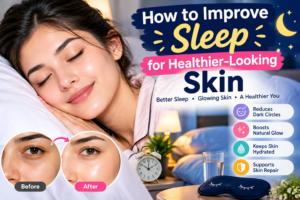
Getting enough quality sleep is essential for overall health, but it can also make a noticeable difference in how your skin looks and feels. If you frequently wake up with dull skin, puffy eyes, dark circles, or a tired appearance, your sleeping habits may be contributing to the problem.
Sleep promotes the natural mechanisms that keep your skin healthy and allows your body to recuperate from daily stress. Acne, wrinkles, and pigmentation cannot be completely eradicated by sleep alone, but a regular skincare regimen combined with healthy sleep habits can make your face appear more youthful and vibrant.
The good news is that you may begin to improve the appearance of your skin without investing in a costly skincare regimen. Little adjustments to your food, nighttime skincare routine, bedroom setting, and sleep routine can have a big impact.
In this guide, you will learn how to improve sleep for healthier-looking skin, explore the benefits of beauty sleep, and discover simple habits that support a refreshed complexion.
1. Understand the Connection Between Sleep and Skin Health
Sleep and skin health are closely connected. During sleep, your body carries out important maintenance processes and regulates hormones involved in stress, inflammation, and tissue repair.
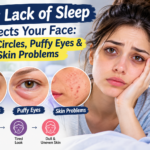
Poor sleep can affect how your skin looks the following morning. You may notice increased puffiness, a tired appearance, dryness, or more visible signs of fatigue.
Research suggests that insufficient sleep may also be associated with impaired skin barrier function and reduced skin recovery. When the skin barrier is weakened, moisture escapes more easily, potentially leaving your skin feeling dry or irritated.
However, it is important to understand that sleep is only one part of skin health. Genetics, sun exposure, hormones, nutrition, stress, and skincare products also influence your complexion.
For healthier-looking skin, focus on getting sufficient sleep consistently instead of relying on occasional long nights of rest.
2. Aim for 7–9 Hours of Quality Sleep
One of the most effective ways to support healthy skin is to get enough sleep every night.
Most adults need approximately seven to nine hours of sleep per night. Teenagers generally need more, while individual sleep requirements can vary.
Insufficient sleep may contribute to tired-looking eyes, a dull complexion, and increased stress. Consistently getting enough rest supports overall health and gives your body time to recover.
Tips for Getting Better Sleep
- Go to bed and wake up at approximately the same time every day.
- Create a relaxing bedtime routine.
- Avoid working or scrolling on your phone in bed.
- Keep your bedroom dark, quiet, and comfortable.
- Avoid heavy meals close to bedtime if they disturb your sleep.
- Limit caffeine in the afternoon and evening.
Consistency is more important than trying to catch up on sleep occasionally. A regular schedule can help regulate your body’s internal clock and make falling asleep easier.
3. Follow a Consistent Nighttime Skincare Routine
A simple nighttime skincare routine can complement healthy sleep habits. You do not need numerous products to maintain a healthy-looking complexion.
The goal is to remove dirt, sunscreen, makeup, and excess oil while keeping your skin hydrated.
Step 1: Cleanse Your Face Gently
Wash your face with a gentle cleanser before bed. This helps remove accumulated dirt, sweat, makeup, and sunscreen.
Avoid harsh cleansers that leave your skin feeling tight or stripped. If you have sensitive skin, choose a fragrance-free formula designed for your skin type.
Step 2: Apply a Moisturizer
Moisturizer helps support the skin barrier and reduce moisture loss during the night.
Look for ingredients such as glycerin, ceramides, and hyaluronic acid. These ingredients help attract or retain moisture and can improve the appearance of dry, dehydrated skin.
Choose a lightweight moisturizer for oily skin or a richer cream if your skin is dry.
Step 3: Use Targeted Treatments Carefully
If you have acne, uneven skin tone, or fine lines, targeted skincare ingredients may help address these concerns.
Depending on your needs, options include niacinamide, retinoids, or other dermatologist-recommended treatments. Introduce active ingredients gradually to minimize irritation.
Avoid starting several strong products at once, especially if your skin is sensitive.
Step 4: Apply Sunscreen the Next Morning
Daily broad-spectrum sunscreen with SPF 30 or higher helps protect your skin against ultraviolet radiation, which contributes to premature aging, dark spots, and skin damage.
Nighttime skincare supports your routine, but daytime sun protection remains one of the most important steps for maintaining healthier-looking skin.
4. Create a Relaxing Bedtime Routine
Stress can make it difficult to fall asleep, and ongoing stress may contribute to skin concerns such as acne flare-ups or increased sensitivity in some people.
A calming bedtime routine helps signal to your body that it is time to rest.
Try spending the last 30–60 minutes before bed doing relaxing activities, such as:
- Reading a book.
- Taking a warm shower.
- Practicing gentle stretching.
- Listening to quiet music.
- Trying slow breathing exercises.
- Writing down tomorrow’s tasks to clear your mind.
Avoid checking work messages or engaging in stressful activities immediately before bed.
Reducing bright light and screen exposure before bedtime may also help you feel sleepy at the appropriate time. If you need to use a device, lower the brightness and choose relaxing content.
Remember that relaxation techniques support sleep but may not solve persistent insomnia on their own.
5. Sleep in a Cool, Comfortable Bedroom
Your sleeping environment can influence how easily you fall asleep and stay asleep.
A bedroom that is too hot, noisy, or bright can interrupt rest. Sweating during the night may also leave some people feeling uncomfortable or contribute to irritation, particularly if their skin is already sensitive.
For a more comfortable sleeping environment:
- Keep the room cool but comfortable.
- Use blackout curtains or an eye mask if light bothers you.
- Reduce noise with earplugs or white noise if needed.
- Choose breathable bedding.
- Use a comfortable mattress and pillow.
- Keep your bedroom clean and well ventilated.
If you live in a hot climate, a fan or air conditioner may help create a more comfortable environment when available.
These changes do not directly treat skin conditions, but better sleep quality supports your overall well-being and may help reduce the tired appearance associated with poor rest.
6. Change Your Sleeping Position to Reduce Morning Puffiness
Some people wake up with swollen faces or puffy eyes. This look may be caused by temporary fluid buildup, and sleeping position may also be a factor.
For some people, sleeping on your back with your head slightly raised can help prevent fluid buildup around your face.
However, facial puffiness can also result from allergies, irritation, lack of sleep, certain medications, or other health conditions.
To reduce morning puffiness:
- Try elevating your head slightly with a comfortable pillow.
- Avoid rubbing your eyes.
- Remove makeup before bed.
- Consider whether dust, pollen, or skincare products irritate your eyes.
- Use a cool compress for a few minutes if your eyes look puffy.
Do not expect a sleeping position to eliminate permanent dark circles or deep wrinkles. These concerns can have several causes and may require different approaches.
If facial swelling is sudden, severe, painful, or associated with breathing difficulties, seek urgent medical care.
7. Eat a Balanced Diet That Supports Skin Health
Your food choices influence your overall health and can complement good sleep and skincare habits.
A balanced diet provides vitamins, minerals, protein, healthy fats, and other nutrients that your body needs to maintain normal skin function.
Consider including the following foods in your daily meals:
Fruits and vegetables: Berries, oranges, carrots, leafy greens, and other colorful produce provide vitamins and antioxidants.
Protein-rich foods: Eggs, fish, beans, lentils, yogurt, and lean meats provide protein needed for normal tissue maintenance.
Healthy fats: Nuts, seeds, olive oil, and oily fish provide fats that support general health.
Whole grains: Oats, whole-wheat bread, and brown rice provide fiber and other nutrients.
Drink enough water throughout the day to maintain normal hydration. Dehydration can make your skin look less fresh, although drinking excessive water will not automatically create glowing skin.
If caffeine affects your sleep, reduce coffee, energy drinks, and strong tea later in the day. Avoid using alcohol as a sleep aid because it can disrupt sleep quality.
No single food can replace sleep, sunscreen, or an appropriate skincare routine.
8. Manage Stress to Support Better Sleep and Skin
Stress can affect sleep quality and may worsen certain skin conditions in susceptible individuals. Some people notice more breakouts, itching, or flare-ups when they feel overwhelmed.
Managing stress can support both sleep and overall well-being.
Try these practical techniques:
- Take a short walk outdoors during the day.
- Practice meditation or deep breathing.
- Exercise regularly, preferably not too close to bedtime if it makes you feel energized.
- Maintain healthy boundaries around work.
- Spend time on enjoyable activities.
- Talk to a trusted person when you feel overwhelmed.
If stress or anxiety regularly prevents you from sleeping, consider speaking with a qualified healthcare professional.
Stress management is not a guaranteed treatment for acne, eczema, or other skin conditions, but it can be a useful part of a broader care plan.
9. Keep Your Pillowcases and Bedding Clean
Your bedding comes into regular contact with your face, hair, sweat, and skincare products. Keeping it clean is a simple habit that supports good hygiene.
Dirty pillowcases may collect oils, dead skin cells, and product residue. These substances can contribute to discomfort or irritation in some people, although changing pillowcases alone will not necessarily prevent acne.
For better bedding hygiene:
- Change pillowcases regularly, such as once or twice a week.
- Wash sheets according to their care instructions.
- Use a gentle, fragrance-free laundry detergent if your skin is sensitive.
- Avoid sleeping with heavy makeup on.
- Keep hair products away from your facial skin when possible.
Choose soft, breathable pillowcases that feel comfortable against your skin. Silk or satin pillowcases may reduce friction for some people, but there is limited evidence that they provide major anti-aging benefits.
10. Avoid Common Habits That Damage Sleep Quality
Some everyday habits make it harder to achieve restful sleep and may indirectly affect your skin’s appearance.
Using Your Phone Late at Night
Scrolling through social media can delay bedtime and keep your mind stimulated. Set a screen-free period before bed or place your phone away from your pillow.
Drinking Caffeine Too Late
Caffeine can remain active in your body for several hours. If you have trouble sleeping, try avoiding it for at least six to eight hours before bedtime, adjusting the timing according to your sensitivity.
Following an Irregular Sleep Schedule
Frequently changing your bedtime can make it harder to establish a stable sleep routine. Try to maintain a consistent schedule, including weekends.
Skipping Your Skincare Routine
Going to bed without removing makeup or sunscreen can leave unwanted residue on your skin. Cleanse gently and moisturize before sleeping.
Expecting Overnight Results
Healthy-looking skin develops through consistent habits. One good night of sleep may help you look more refreshed, but lasting improvements usually require ongoing attention to sleep, skincare, nutrition, and sun protection.
11. How Long Does It Take for Better Sleep to Improve Skin?
The timeline depends on your current sleep habits, skin type, and underlying concerns.
Some people notice that their eyes look less tired or their face appears more refreshed after one or several nights of better sleep. Improvements in dryness or irritation may depend more on skincare and environmental factors.
Longer-term benefits from consistent sleep habits may become easier to notice over several weeks, but results are not guaranteed.
Chronic skin disorders, persistent pigmentation, and wrinkles cannot be cured by sleep. See a dermatologist if you experience persistent rash, acne, extreme dryness, or unexplained skin changes.
Combining sufficient sleep with daily sun protection, moderate skincare, a balanced diet, and stress management is the most successful approach.
Conclusion
Improving your sleep is a practical way to support healthier-looking skin while benefiting your overall health. Getting seven to nine hours of sleep, following a consistent bedtime routine, keeping your bedroom comfortable, eating a balanced diet, and using gentle skincare can help you wake up looking more refreshed.
Remember that beauty sleep is not a miracle treatment. Your skin is influenced by many factors, including genetics, hormones, age, stress, and sun exposure. However, consistent healthy habits can help you maintain a more comfortable, hydrated, and radiant-looking complexion over time.
Start with small changes tonight. Set a regular bedtime, cleanse and moisturize your face, put your phone away, and give your body the rest it needs.
Frequently Asked Questions (FAQs)
1. How many hours of sleep are best for healthy-looking skin?
Most adults need seven to nine hours of sleep per night. Getting enough quality sleep supports general recovery and may help reduce the tired appearance associated with insufficient rest.
2. Can lack of sleep cause dull skin?
Insufficient sleep can contribute to a tired appearance and may affect skin barrier function. However, dull skin can also result from dehydration, sun exposure, skincare irritation, and other factors.
3. Does sleeping early improve skin?
Going to bed early can help if it allows you to get sufficient, consistent sleep. The most important factors are sleep duration, quality, and a regular schedule rather than a specific bedtime for everyone.
4. Can beauty sleep reduce dark circles?
Better sleep may make dark circles caused partly by fatigue less noticeable. However, genetics, pigmentation, allergies, and facial anatomy can also contribute, so sleep alone may not eliminate them.
5. Is moisturizer necessary before sleeping?
A nighttime moisturizer can help maintain the skin barrier and reduce moisture loss. Choose a product suited to your skin type, particularly if your skin is dry or sensitive.
6. Does sleeping on your back prevent wrinkles?
Sleeping on your back may reduce repeated facial pressure against a pillow, but strong evidence that it prevents or reverses wrinkles is limited. Sunscreen, avoiding smoking, and appropriate skincare are more established skin-health measures.
7. What is the best nighttime routine for glowing skin?
A simple routine includes gentle cleansing, applying a suitable moisturizer, and getting sufficient sleep. Use targeted treatments only when appropriate, and apply broad-spectrum sunscreen the following morning.
8. Can drinking water before bed improve skin?
Maintaining adequate hydration supports normal body function, including skin health. Drinking excessive water immediately before bed is unnecessary and may interrupt sleep by increasing nighttime bathroom trips.
9. Can poor sleep make acne worse?
Poor sleep and stress may be associated with acne flare-ups in some people, but acne has multiple causes, including hormones, excess oil, and clogged pores. Appropriate acne treatment is often necessary.
10. What is the fastest way to look refreshed after a poor night’s sleep?
Wash your face gently, apply moisturizer, use a cool compress for temporary puffiness, drink water if thirsty, and return to your regular sleep schedule that night. Avoid harsh scrubs or excessive skincare treatments to compensate for lost sleep.