

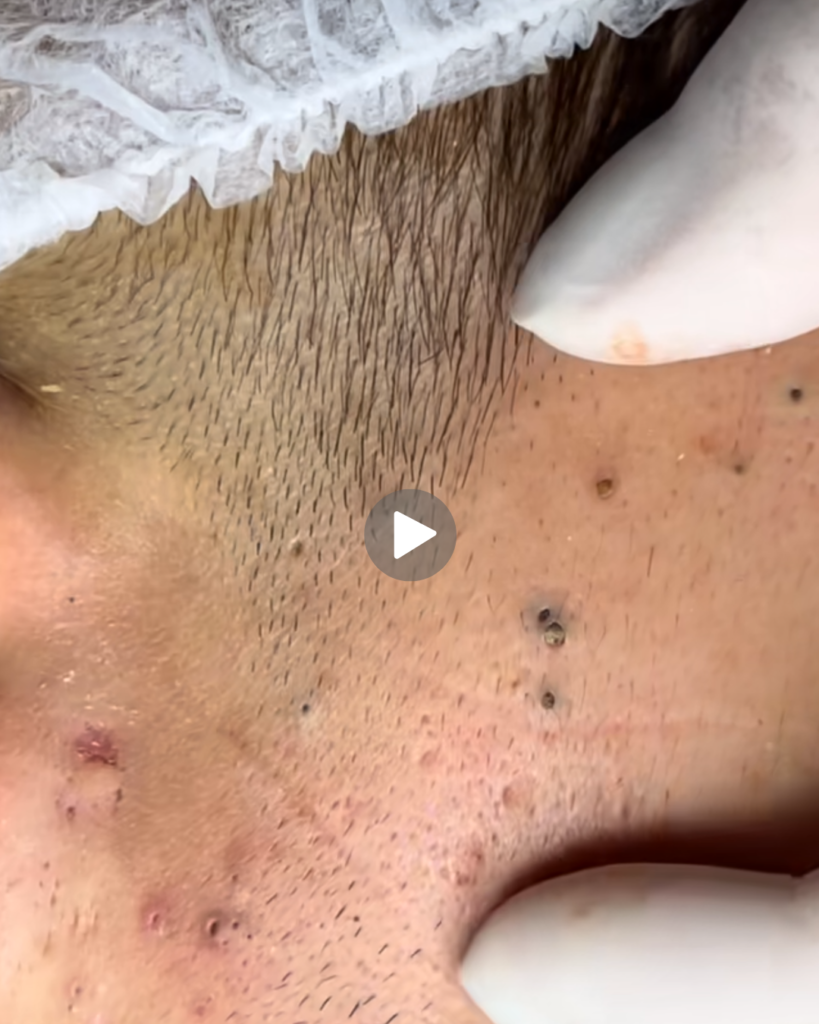
Pimples under the nose can be uncomfortable, noticeable, and sometimes painful. This area of the face is particularly sensitive due to frequent touching, sweating, and exposure to bacteria. While under-nose pimples are usually harmless, improper treatment can lead to irritation, infection, or scarring. Understanding the causes and learning the right treatment methods can help you heal faster and prevent future breakouts.
Why Pimples Form Under the Nose
The skin under the nose has many oil glands, making it prone to clogged pores. Several factors can contribute to pimples in this area:
1. Excess oil production: When oil (sebum) mixes with dead skin cells, it can block pores and form pimples.
2. Bacterial buildup: Touching your nose frequently, blowing it often during colds, or using dirty tissues can introduce bacteria.
3. Hormonal changes: Hormonal fluctuations can increase oil production, especially during puberty, menstruation, or stress.
4. Shaving or waxing: Hair removal can irritate hair follicles, leading to inflamed pimples or ingrown hairs.
5. Cosmetic products: Heavy creams, makeup, or sunscreen around the nose can clog pores if not removed properly.
Because this area lies within the facial “danger triangle” (between the nose and mouth), pimples should be treated gently to avoid complications.
Types of Under-Nose Pimples
Not all pimples are the same. Identifying the type can help determine the best treatment:
- Whiteheads: Closed clogged pores with a white center
- Blackheads: Open pores with oxidized debris
- Papules: Small red, tender bumps
- Pustules: Pimples filled with pus
- Ingrown hairs: Common after shaving, appearing as painful bumps
Severe swelling, spreading redness, or fever may indicate infection and should be evaluated by a healthcare professional.
Effective Treatments for Under-Nose Pimples
1. Gentle Cleansing
Wash your face twice daily using a mild, fragrance-free cleanser. Avoid harsh scrubs, which can worsen irritation. After sweating or blowing your nose frequently, cleanse the area gently to remove bacteria.
2. Warm Compress
Applying a warm compress for 5–10 minutes can help reduce pain and bring the pimple to a head naturally. This improves blood circulation and promotes healing.
3. Spot Treatments
Use over-the-counter spot treatments containing:
- Salicylic acid to unclog pores
- Benzoyl peroxide to kill acne-causing bacteria
- Sulfur to reduce oil and inflammation
Apply sparingly, as the skin under the nose is sensitive.
4. Natural Remedies
Some people find relief with natural options:
- Tea tree oil (diluted): Has antibacterial properties
- Aloe vera: Soothes redness and promotes healing
- Honey: Naturally antibacterial and moisturizing
Always patch test before applying natural remedies to your face.
5. Avoid Popping or Squeezing
Popping a pimple under the nose can push bacteria deeper into the skin, increasing the risk of infection and scarring. It may also cause swelling that lasts longer than the pimple itself.
6. Keep the Area Dry
Excess moisture from sweat or nasal discharge can worsen breakouts. Gently pat the area dry with a clean towel or tissue.
When to See a Dermatologist
If under-nose pimples are:
- Extremely painful
- Recurrent in the same spot
- Accompanied by swelling spreading toward the lips or cheeks
- Not improving after 7–10 days
A dermatologist may prescribe topical antibiotics, retinoids, or recommend professional treatments.
How to Prevent Pimples Under the Nose
Prevention is just as important as treatment. Follow these tips to keep the area clear:
- Wash your face after sweating or wearing makeup
- Use non-comedogenic skincare and cosmetics
- Change pillowcases regularly
- Avoid touching your nose unnecessarily
- Clean razors and avoid shaving too closely
- Stay hydrated and maintain a balanced diet
Reducing stress and getting enough sleep also help regulate oil production and support healthy skin.
Final Thoughts
Pimples under the nose can be frustrating, but they are usually easy to manage with proper care. Gentle cleansing, targeted treatments, and good hygiene can significantly reduce breakouts and speed up healing. Avoid aggressive methods like squeezing, and pay attention to recurring or painful pimples that may need professional care. With consistent skincare and preventive habits, you can keep the under-nose area clear, healthy, and blemish-free.
