

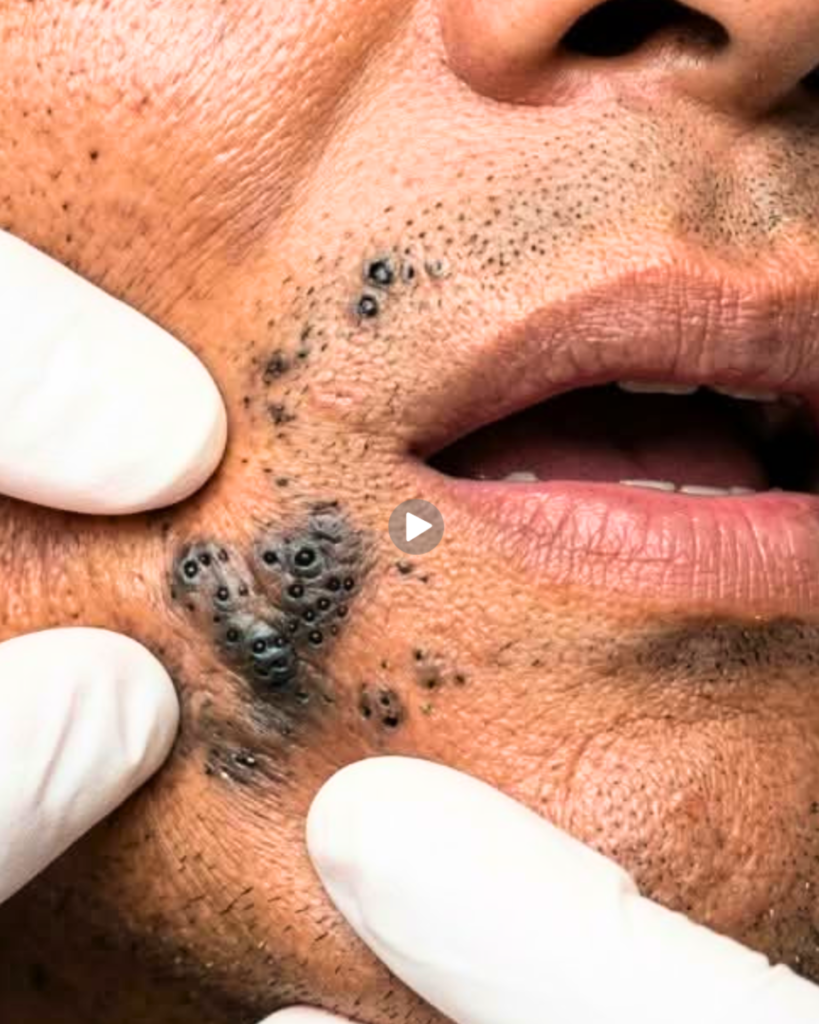
Have you ever noticed a sudden breakout right before a major presentation, or a flare-up of dry, itchy patches during a difficult life event? This is not a coincidence. The connection between your mind and your body is incredibly powerful, and your skin—the body’s largest organ—often acts as a physical canvas for your mental health.
Understanding how stress affects your skin is the first step in breaking the vicious cycle of stress-induced flare-ups. In this comprehensive guide, we will explore the science behind the mind-skin connection, the most common visible symptoms of psychological stress, and proven strategies to calm both your mind and your complexion.
The Science of Stress: The Mind-Skin Connection
To understand why stress wreaks havoc on your complexion, we have to look below the surface. The medical field has an entire branch dedicated to this interaction called psychodermatology (the study of how the mind affects the skin).
When you experience stress, whether it is acute (a sudden deadline) or chronic (ongoing financial or personal worries), your body goes into a “fight-or-flight” response. This activates the hypothalamic-pituitary-adrenal (HPA) axis, prompting your adrenal glands to release a surge of hormones, most notably cortisol and adrenaline.
While these hormones are excellent for helping you escape immediate danger, they are terrible for your skin when elevated for long periods. Cortisol, often called the “stress hormone,” causes a chain reaction throughout your body:
-
It triggers widespread inflammation.
-
It suppresses the immune system.
-
It signals glands to produce more oil.
-
It breaks down essential skin proteins.
Let’s break down exactly what this means for your daily appearance.
5 Major Ways Stress Affects Your Skin
The impact of psychological stress manifests differently for everyone. However, dermatologists frequently see these five primary skin issues triggered or worsened by high stress levels.
1. Stress Acne and Breakouts
If you are prone to pimples, stress is your skin’s worst enemy. Elevated cortisol levels directly stimulate your skin’s sebaceous (oil) glands.
When these glands go into overdrive, they produce excess sebum. This excess oil mixes with dead skin cells and acne-causing bacteria (Cutibacterium acnes), clogging your pores. Furthermore, stress-induced inflammation makes the resulting breakouts redder, larger, and more painful. “Stress acne” often appears along the lower half of the face, including the jawline, chin, and neck.
2. Premature Aging and Wrinkles
Can stress give you wrinkles? Unfortunately, yes. Chronic stress accelerates the aging process at a cellular level.
Cortisol is a catabolic hormone, meaning it breaks down tissues. High levels of cortisol directly degrade collagen and elastin—the two structural proteins responsible for keeping your skin firm, plump, and youthful. Without a strong collagen matrix, the skin begins to sag, and fine lines become more pronounced. Additionally, stress causes you to repeatedly furrow your brow and tense your facial muscles, leading to permanent expression lines over time.
3. Compromised Skin Barrier and Dehydration
Your skin has a natural protective shield called the lipid barrier, which locks moisture in and keeps environmental irritants out.
Stress weakens this barrier. When the barrier is compromised, water easily escapes from the skin in a process called transepidermal water loss (TEWL). This leaves your complexion looking dull, dry, and gray. Even if you are drinking plenty of water, a stress-damaged skin barrier will struggle to retain that hydration, leading to a tight, uncomfortable feeling.
4. Flare-ups of Chronic Skin Conditions
If you already suffer from a chronic inflammatory skin condition, stress is one of the most common triggers for a flare-up. Because stress floods the body with inflammatory markers and dysregulates the immune system, it acts as lighter fluid for existing issues.
-
Eczema (Atopic Dermatitis): Stress causes intense itching and red, scaly patches to emerge.
-
Psoriasis: Emotional stress can trigger the overproduction of skin cells, leading to thick, silvery plaques.
-
Rosacea: Adrenaline causes blood vessels in the face to dilate, resulting in severe flushing and persistent redness.
5. Slower Wound Healing
Have you ever picked at a pimple while stressed, only to find it takes weeks to heal? Stress disrupts the outermost layer of your skin (the epidermis) and severely impairs your body’s natural healing mechanisms. Under high stress, minor cuts, scrapes, and acne lesions take much longer to repair themselves, increasing the risk of scarring and post-inflammatory hyperpigmentation (dark spots).
How to Tell if Your Skin Issues are Stress-Related
It can sometimes be difficult to tell if a breakout is caused by stress, a new skincare product, or hormonal fluctuations. Here are a few tell-tale signs that your skin woes are rooted in anxiety:
-
Sudden Onset: Your skin was clear, but a severe breakout or rash appeared alongside a major life event.
-
Location of Breakouts: As mentioned, stress acne heavily favors the jawline and chin.
-
The “Stress Rash”: You develop hives or itchy red bumps on your face, neck, or chest without any change in your diet or skincare routine.
-
Treatment Resistance: Your usual acne creams or moisturizers suddenly stop working.
-
Co-occurring Symptoms: Your skin issues are accompanied by tension headaches, insomnia, digestive issues, or chronic fatigue.
Effective Strategies to Protect Your Skin from Stress
Treating stress-related skin issues requires a two-pronged approach: you must treat the topical symptoms while simultaneously addressing the internal root cause. Here is a comprehensive SEO guide to managing both.
Part 1: Topical Skincare Interventions
When your skin is stressed, your instinct might be to scrub it aggressively or apply harsh acne treatments. Do the exact opposite. Stressed skin is sensitive skin.
-
Strip Back Your Routine: Stop using harsh physical scrubs, high-strength retinoids, and multiple exfoliating acids. Stick to a gentle, non-foaming cleanser to avoid stripping away natural oils.
-
Repair the Skin Barrier: Look for moisturizers containing ceramides, hyaluronic acid, glycerin, and niacinamide. These ingredients help rebuild the compromised lipid barrier, lock in moisture, and soothe redness.
-
Spot Treat Carefully: For stress breakouts, use a targeted treatment rather than slathering your whole face in acne cream. A 2% salicylic acid spot treatment or hydrocolloid pimple patches work well without causing widespread dryness.
-
Never Skip Sunscreen: Stress makes your skin more vulnerable to environmental damage. Apply a broad-spectrum SPF 30 or higher every morning to protect your fragile skin barrier from UV rays.
Part 2: Lifestyle and Internal Interventions
No serum in the world can permanently fix a cortisol problem. To truly stop stress from affecting your skin, you must manage your psychological well-being.
-
Prioritize Sleep (The Ultimate Skin Healer): Your skin enters repair mode while you sleep. Lack of sleep spikes cortisol levels and prevents the production of human growth hormone (HGH), which is vital for cellular turnover. Aim for 7 to 9 hours of quality sleep per night.
-
Incorporate Daily Movement: Exercise reduces levels of the body’s stress hormones and stimulates the production of endorphins. Furthermore, exercise increases blood flow, carrying oxygen and nutrients to working cells throughout the body, including the skin.
-
Practice Mindfulness and Relaxation: Techniques such as deep breathing, meditation, and yoga have been scientifically proven to lower cortisol levels. Even 10 minutes of deep box-breathing a day can halt the fight-or-flight response.
-
Eat an Anti-Inflammatory Diet: What you eat impacts your skin’s ability to fight stress. Limit refined sugars and processed carbohydrates, which trigger inflammation and acne. Instead, load up on antioxidants (berries, leafy greens) and Omega-3 fatty acids (salmon, walnuts) to help fortify the skin barrier from the inside out.
When to See a Dermatologist
While lifestyle tweaks and over-the-counter skincare can manage mild to moderate stress-related skin issues, professional intervention is sometimes necessary. You should book an appointment with a board-certified dermatologist if:
-
Your acne becomes cystic, painful, and leaves deep scars.
-
You experience a severe rash or hives that do not subside within a few days.
-
Your chronic conditions (eczema, psoriasis) become unmanageable and interfere with your daily life.
-
You suspect your skin issues are taking a severe toll on your mental health, creating a destructive feedback loop.
The Bottom Line
Understanding how stress affects your skin highlights the undeniable link between our emotional well-being and our physical appearance. Cortisol-driven inflammation can cause breakouts, accelerate aging, and strip your skin of its natural radiance.
Remember, striving for “perfect” skin during a stressful time will only cause you more anxiety. Instead, focus on being kind to yourself. Simplify your skincare routine, prioritize rest, and find healthy outlets for your stress. As you calm your mind, your skin will naturally follow suit.
