

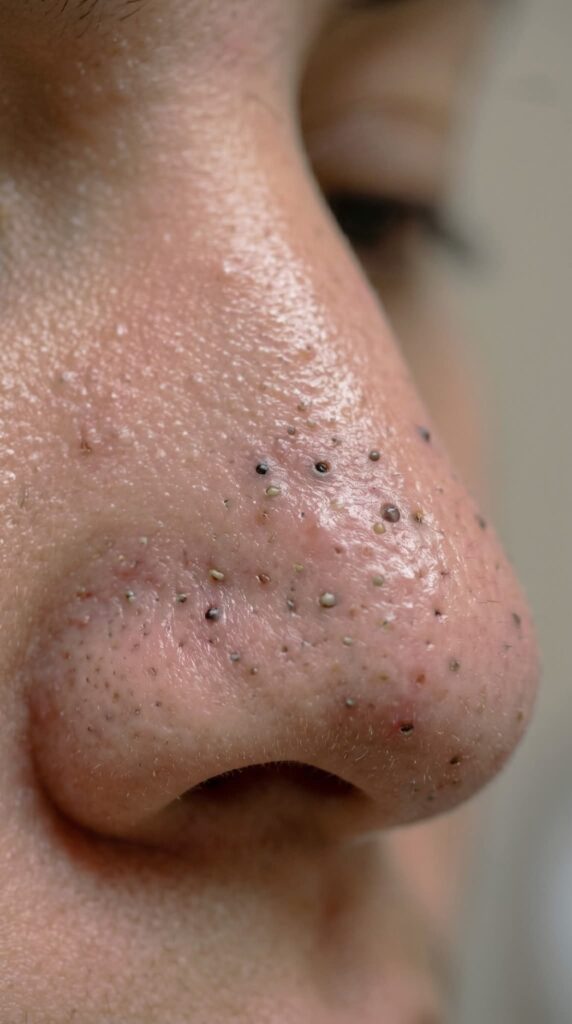
Acne is one of the most common skin problems faced by teenagers and adults around the world. Pimples, blackheads, whiteheads, and painful acne can affect confidence and skin health. Many people use expensive creams and treatments, but natural herbal medicine for face acne is becoming more popular because it is affordable, gentle, and easy to make at home.
Herbal remedies have been used for centuries to reduce acne, calm inflammation, and improve skin naturally. Ingredients like turmeric, aloe vera, neem, honey, and tea tree oil contain antibacterial and anti-inflammatory properties that help fight acne-causing bacteria.
In this article, you will learn about the best homemade herbal medicines for acne, their benefits, how to prepare them, and tips for getting clear skin naturally.
What Causes Face Acne?
Before treating acne, it is important to understand why it happens. Acne develops when pores become blocked with oil, dirt, dead skin cells, and bacteria.
Common causes of acne include:
- Excess oil production
- Hormonal changes
- Stress and lack of sleep
- Poor skincare routine
- Eating oily or sugary foods
- Using harsh beauty products
- Dirty pillowcases or touching the face often
Natural herbal medicines can help control these causes without damaging the skin.
Benefits of Herbal Medicine for Acne
Many people prefer herbal acne treatments because they are safer and contain fewer chemicals.
Natural Benefits Include:
- Reduces redness and swelling
- Kills acne-causing bacteria
- Controls oily skin
- Helps heal acne scars
- Keeps skin hydrated
- Gentle for sensitive skin
- Affordable and easy to prepare at home
Regular use of herbal remedies can improve overall skin texture and glow.
Best Herbal Medicines for Face Acne at Home
1. Aloe Vera Gel for Acne
Aloe vera is one of the best herbal medicines for skin problems. It contains antioxidants, vitamins, and antibacterial compounds that help heal pimples quickly.
How to Use Aloe Vera
- Cut a fresh aloe vera leaf.
- Extract the clear gel.
- Apply directly to acne areas.
- Leave it overnight.
- Wash your face in the morning.
Benefits
- Reduces inflammation
- Moisturizes skin
- Helps fade acne marks
- Soothes irritated skin
Use aloe vera daily for better results.
2. Turmeric and Honey Face Mask
Turmeric is famous for its antibacterial and anti-inflammatory properties. Honey helps keep the skin soft and fights bacteria naturally.
Ingredients
- 1 teaspoon turmeric powder
- 1 tablespoon raw honey
Method
- Mix turmeric and honey into a paste.
- Apply to the face.
- Leave for 15–20 minutes.
- Wash with lukewarm water.
Benefits
- Reduces acne swelling
- Brightens skin
- Prevents bacterial infection
- Improves skin tone
Use this mask 2–3 times a week.
3. Neem Leaves Herbal Paste
Neem is a powerful herbal medicine widely used for acne treatment. It contains antibacterial and antifungal properties that clean the skin deeply.
How to Make Neem Paste
- Wash fresh neem leaves.
- Grind them with a little water.
- Apply the paste to pimples.
- Leave for 20 minutes.
- Rinse with water.
Benefits
- Kills acne bacteria
- Controls excess oil
- Reduces pimples naturally
- Prevents future breakouts
Neem is especially useful for oily skin.
4. Tea Tree Oil Spot Treatment
Tea tree oil is a natural herbal oil used to reduce acne and skin inflammation.
How to Use
- Mix 2 drops of tea tree oil with 1 teaspoon coconut oil.
- Apply only to acne spots.
- Leave overnight.
Benefits
- Dries pimples quickly
- Reduces redness
- Prevents acne spread
- Cleans blocked pores
Do not apply tea tree oil directly without mixing because it may irritate the skin.
5. Green Tea Herbal Toner
Green tea contains antioxidants that help reduce acne and oily skin.
How to Prepare
- Boil green tea in water.
- Let it cool completely.
- Store in a spray bottle.
- Spray on the face twice daily.
Benefits
- Reduces oil production
- Refreshes skin
- Fights acne bacteria
- Protects skin from damage
Green tea toner is perfect for daily skincare.
6. Cucumber and Mint Face Pack
Cucumber cools the skin while mint helps fight acne-causing bacteria.
Ingredients
- Half cucumber
- Few mint leaves
Method
- Blend cucumber and mint together.
- Apply the paste to the face.
- Leave for 15 minutes.
- Wash with cool water.
Benefits
- Soothes irritated skin
- Reduces acne redness
- Hydrates skin naturally
- Gives fresh glow
This remedy works well during summer.
7. Garlic Acne Remedy
Garlic contains sulfur compounds that may help fight acne bacteria.
How to Use
- Crush one garlic clove.
- Mix with a little water.
- Apply carefully to pimples.
- Wash after 5 minutes.
Benefits
- Kills bacteria
- Reduces swelling
- Speeds acne healing
Do a patch test first because garlic can irritate sensitive skin.
8. Rose Water and Lemon Remedy
Rose water refreshes the skin while lemon helps remove excess oil.
Ingredients
- 1 tablespoon rose water
- Few drops lemon juice
Method
- Mix both ingredients.
- Apply with cotton.
- Leave for 10 minutes.
- Wash with water.
Benefits
- Cleans pores
- Brightens skin
- Reduces oily skin
- Helps fade acne scars
Avoid lemon if your skin is very sensitive.
Herbal Drinks for Acne-Free Skin
Healthy skin also depends on what you drink and eat.
1. Turmeric Milk
Turmeric milk helps reduce inflammation inside the body.
Benefits
- Purifies blood
- Reduces acne naturally
- Improves skin healing
Drink warm turmeric milk before sleeping.
2. Neem Water
Boiled neem water may help detoxify the body.
Benefits
- Reduces toxins
- Supports clearer skin
- Helps prevent breakouts
Drink in small amounts only.
3. Green Tea
Green tea is rich in antioxidants that improve skin health.
Benefits
- Reduces inflammation
- Supports healthy skin
- Controls oil production
Drink 1–2 cups daily.
Daily Skincare Tips to Prevent Acne
Herbal medicine works better when combined with a healthy skincare routine.
Important Acne Prevention Tips
Wash Your Face Twice Daily
Use a gentle face wash to remove dirt and oil.
Avoid Touching Pimples
Picking acne can cause scars and infection.
Drink Plenty of Water
Water keeps skin hydrated and flushes toxins.
Eat Healthy Foods
Consume fruits, vegetables, nuts, and healthy proteins.
Avoid Oily and Sugary Foods
Fast food and sugary drinks may increase acne.
Change Pillow Covers Regularly
Dirty pillowcases can collect bacteria and oil.
Sleep Properly
Lack of sleep may worsen hormonal imbalance and acne.
Foods That Help Reduce Acne Naturally
Eating healthy foods supports clear skin from inside.
Best Foods for Acne-Free Skin
- Carrots
- Spinach
- Tomatoes
- Cucumber
- Avocados
- Nuts and seeds
- Salmon fish
- Yogurt
- Green tea
- Oranges
These foods contain vitamins and antioxidants beneficial for healthy skin.
Mistakes to Avoid While Using Herbal Remedies
Even natural remedies should be used carefully.
Common Mistakes
- Using too many remedies at once
- Applying lemon excessively
- Scrubbing acne harshly
- Leaving face masks too long
- Not moisturizing skin
- Using dirty towels or brushes
Consistency and patience are important for natural acne treatment.
When Should You See a Doctor?
Home remedies can help mild acne, but severe acne may need medical treatment.
Consult a dermatologist if you have:
- Painful cystic acne
- Acne leaving deep scars
- Severe redness or infection
- Acne not improving after several weeks
- Skin burning or allergic reactions
Professional advice can prevent long-term skin damage.
Final Thoughts
Herbal medicine for face acne is a natural and affordable way to improve skin health at home. Ingredients like aloe vera, neem, turmeric, honey, green tea, and tea tree oil can reduce pimples, calm inflammation, and support clearer skin naturally.
The key to success is consistency, healthy eating, proper skincare, and patience. Natural remedies may take time, but they are often gentler on the skin than harsh chemical treatments.
If you use these homemade herbal remedies regularly and maintain a healthy lifestyle, you can achieve cleaner, healthier, and glowing skin naturally.
