

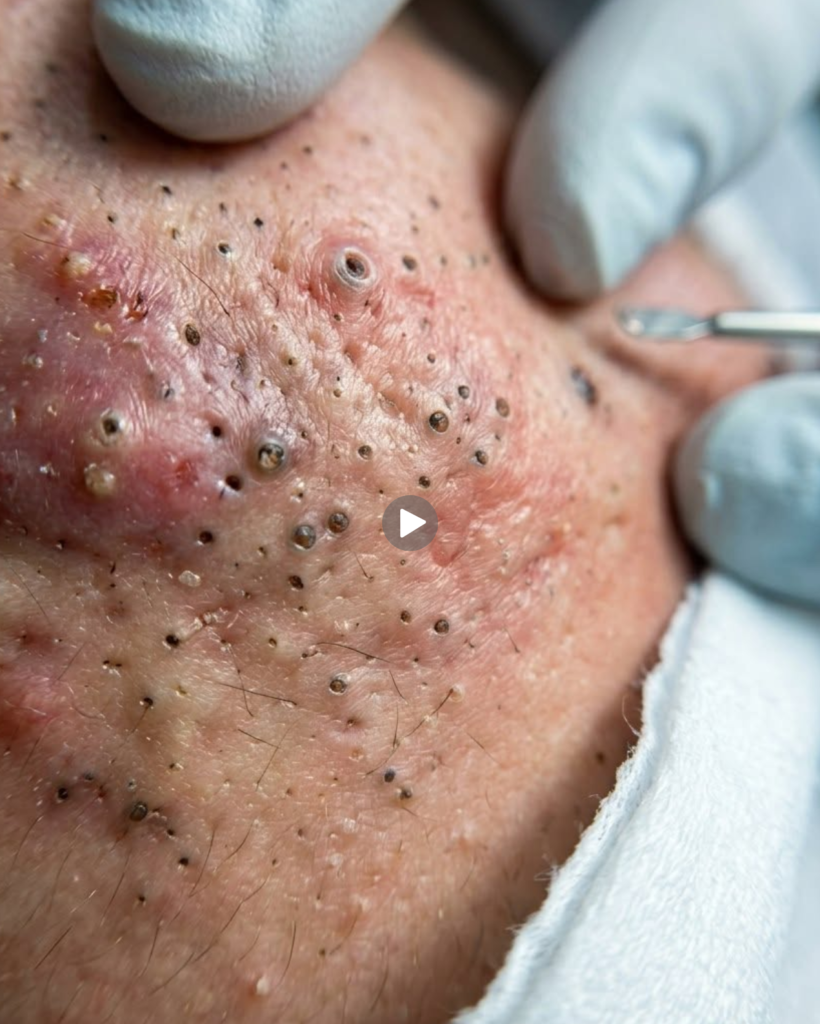
Acne is one of the most common skin conditions, affecting millions of teenagers and adults worldwide. While skincare products and professional treatments play an important role in managing acne, your diet can also influence your skin’s health. Although no single food can completely cure acne, eating nutrient-rich foods may help reduce inflammation, support skin repair, and promote a clearer complexion.
If you’re looking for natural ways to improve your skin, adding acne-friendly foods to your daily meals is a great place to start. In this guide, we’ll explore the best foods that help clear acne naturally, explain why they work, and share simple dietary tips for healthier skin.
Can Food Help Reduce Acne?
Research suggests that diet may affect acne in some people. Foods rich in vitamins, minerals, antioxidants, healthy fats, and fiber support overall skin health and may help reduce inflammation associated with acne.
A balanced diet combined with a consistent skincare routine can contribute to healthier skin over time. However, dietary changes alone may not completely eliminate acne, especially if it is severe or related to hormonal factors.
1. Fatty Fish
Fatty fish such as salmon, sardines, and mackerel are rich in omega-3 fatty acids.
Benefits for Acne
- Helps reduce inflammation
- Supports healthy skin cells
- May reduce redness
- Promotes skin healing
Omega-3 fats are essential for maintaining a healthy skin barrier and keeping skin hydrated.
2. Spinach
Spinach is packed with vitamins A, C, E, and iron.
Benefits
- Supports collagen production
- Helps repair skin tissue
- Rich in antioxidants
- Promotes healthy skin
Adding spinach to salads, smoothies, or cooked meals is an easy way to boost your nutrient intake.
3. Carrots
Carrots are an excellent source of beta-carotene, which the body converts into vitamin A.
Benefits
- Supports skin renewal
- Helps maintain healthy pores
- Protects against oxidative stress
Vitamin A plays an important role in skin cell growth and maintenance.
4. Sweet Potatoes
Sweet potatoes are another excellent source of beta-carotene.
Benefits
- Supports healthy skin
- Rich in antioxidants
- May help maintain an even complexion
Roasted or baked sweet potatoes make a nutritious addition to any meal.
5. Blueberries
Blueberries are among the richest sources of antioxidants.
Benefits
- Protect skin cells from free radical damage
- Support collagen production
- Reduce oxidative stress
Enjoy them as a snack, in yogurt, or blended into smoothies.
6. Tomatoes
Tomatoes contain lycopene, vitamin C, and antioxidants.
Benefits
- Supports healthy skin
- Helps protect against environmental damage
- Contributes to collagen formation
Cooking tomatoes may increase the availability of lycopene.
7. Oranges
Oranges provide plenty of vitamin C.
Benefits
- Supports collagen production
- Promotes wound healing
- Protects skin cells
Vitamin C is essential for healthy, resilient skin.
8. Nuts
Almonds and walnuts provide healthy fats, vitamin E, and minerals.
Benefits
- Nourish the skin
- Support the skin barrier
- Provide antioxidants
Enjoy nuts in moderation as part of a balanced diet.
9. Pumpkin Seeds
Pumpkin seeds contain zinc, a mineral important for skin health.
Benefits
- Supports normal skin repair
- Contributes to immune function
- Helps maintain healthy skin
Sprinkle pumpkin seeds over salads or oatmeal for an easy nutrient boost.
10. Oats
Oats are rich in fiber and have a low glycemic index.
Benefits
- Help maintain stable blood sugar levels
- Promote digestive health
- Support overall wellness
A bowl of oatmeal topped with berries makes a nutritious breakfast.
11. Lentils and Beans
Legumes provide protein, fiber, iron, and zinc.
Benefits
- Support skin repair
- Promote balanced nutrition
- Help you feel full longer
They are a healthy alternative to processed foods.
12. Green Tea
Green tea contains powerful antioxidants called catechins.
Benefits
- Supports healthy skin
- Helps reduce oxidative stress
- Promotes overall wellness
Choose unsweetened green tea for the greatest health benefits.
13. Avocados
Avocados are rich in healthy monounsaturated fats and vitamin E.
Benefits
- Keep skin moisturized
- Support the skin barrier
- Provide antioxidants
They can be added to salads, sandwiches, or smoothies.
14. Broccoli
Broccoli contains vitamins A, C, K, and sulforaphane.
Benefits
- Supports healthy skin
- Rich in antioxidants
- Contributes to collagen formation
Steamed broccoli retains many of its nutrients.
15. Yogurt (If Tolerated)
Plain yogurt contains protein and beneficial bacteria that support gut health.
Benefits
- Supports digestion
- Provides calcium and protein
- May contribute to overall skin health in some individuals
Choose plain, unsweetened yogurt to avoid added sugars.
Foods to Limit If You Have Acne
Some people notice that certain foods seem to worsen their breakouts. While triggers vary from person to person, you may consider limiting:
- Sugary soft drinks
- Candy and sweets
- White bread
- Pastries
- Chips
- Highly processed snacks
- Fast food
- Excessive sugary cereals
Keeping a food diary can help identify patterns between your diet and your skin.
Healthy Eating Tips for Clear Skin
Follow these habits to support healthier skin naturally:
- Eat a variety of colorful fruits and vegetables.
- Include lean protein in every meal.
- Choose whole grains over refined grains.
- Drink plenty of water throughout the day.
- Limit highly processed foods.
- Include healthy fats from fish, nuts, and seeds.
- Avoid skipping meals.
- Maintain a balanced diet instead of following extreme diets.
Lifestyle Habits That Support Clear Skin
Nutrition works best when combined with healthy daily habits.
For better skin:
- Wash your face gently twice a day.
- Moisturize with a non-comedogenic product.
- Wear sunscreen daily.
- Get 7–9 hours of sleep each night.
- Exercise regularly.
- Manage stress through relaxation techniques.
- Avoid picking or squeezing pimples.
- Clean makeup brushes regularly.
Frequently Asked Questions
Can food cure acne?
No. Food alone cannot cure acne, but a healthy diet may support clearer skin and reduce inflammation in some people.
How long does it take to see results?
Dietary changes usually take several weeks or even months before noticeable improvements appear.
Does drinking water remove acne?
Water does not directly remove acne, but staying hydrated supports healthy skin and overall health.
Are fruits good for acne?
Yes. Fruits rich in vitamins and antioxidants, such as berries, oranges, and kiwi, can support healthy skin as part of a balanced diet.
Is chocolate bad for acne?
There is no clear evidence that chocolate itself causes acne. However, sugary or highly processed chocolate products may affect some individuals differently.
Final Thoughts
Choosing the right foods that help clear acne naturally can be an important part of your skincare journey. Nutrient-rich foods such as fatty fish, leafy greens, berries, carrots, sweet potatoes, nuts, seeds, whole grains, and fresh fruits provide vitamins, minerals, antioxidants, and healthy fats that support skin health.
While diet alone is unlikely to eliminate acne, combining healthy eating with a gentle skincare routine, good hydration, quality sleep, stress management, and regular exercise can improve your overall skin condition. If your acne is severe, painful, or causing scars, consult a qualified dermatologist for personalized advice.
Healthy skin starts from the inside out, and making smart food choices today can contribute to a clearer, stronger, and more radiant complexion over time.
