
Introduction
Everyone wants healthy, smooth, and glowing skin. While many people spend money on expensive skincare products and beauty treatments, sometimes simple skincare practices can also make a difference. One popular beauty technique that has gained attention is facial massage.
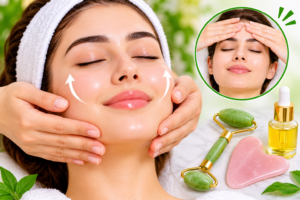
Face massage is a relaxing skincare practice that involves using gentle movements and pressure on the face, jawline, and neck. It can be performed using clean hands, facial rollers, gua sha stones, or other massage tools.
Regular facial massage may help temporarily improve circulation, reduce the appearance of puffiness, relax facial muscles, and make your skin look refreshed. It can also make your daily skincare routine more enjoyable by helping you spread facial oils and moisturizers evenly.
Whether you have dry, oily, combination, or normal skin, learning the correct facial massage techniques can help you enjoy a relaxing self-care experience.
In this article, we will explore seven potential face massage benefits for glowing skin, popular massage methods, and simple tips for creating an effective facial massage routine at home.
What Is Face Massage?
Face massage is a skincare technique that involves gently massaging the facial skin and underlying muscles using controlled hand movements or specialized beauty tools.
It usually includes circular motions, upward strokes, gentle tapping, and light pressure along different areas of the face.
People commonly massage their faces while applying facial oils, serums, or moisturizers. These products provide lubrication, allowing the hands or massage tools to move smoothly without pulling the skin.
Facial massage can be performed in the morning or evening, depending on personal preference.
Some people prefer morning massages to reduce the appearance of puffiness, while others enjoy evening massages to relax after a busy day.
Face massage has become increasingly popular because it is simple, relaxing, and easy to incorporate into an everyday skincare routine.
7 Best Face Massage Benefits for Glowing Skin
Facial massage offers several potential benefits when performed gently and correctly. Here are seven reasons why people include it in their skincare routines.
1. May Improve Blood Circulation
One of the most popular face massage benefits is its potential to temporarily increase blood flow to the skin.
Gentle massage movements stimulate the skin’s surface and may encourage local circulation. This can make your face look temporarily fresher and more radiant.
Healthy circulation helps deliver oxygen and nutrients to skin tissues, supporting normal skin functions.
After a gentle massage, some people notice a natural rosy appearance. This temporary glow is one reason facial massage is popular among skincare enthusiasts.
However, facial massage cannot permanently change your complexion or guarantee improved skin health.
2. Helps Reduce Facial Puffiness
Facial puffiness is a common concern, especially around the eyes, cheeks, and jawline.
It can occur due to temporary fluid retention, lack of sleep, salty foods, or other everyday factors.
Gentle facial massage may help encourage fluid movement through superficial tissues, making the face appear less puffy for a short time.
Many people use cooling facial rollers as part of their morning skincare routine because the cool sensation feels refreshing.
For a simple approach, use gentle movements around the cheeks and jawline without applying excessive pressure.
Remember that persistent or sudden facial swelling may require medical attention rather than massage.
Youtube Video
3. Supports a Relaxed and Refreshed Appearance
Daily stress can cause people to hold tension in different facial areas.
The jaw, forehead, and temples are common places where people experience muscle tightness, especially after long working hours or stressful days.
Gentle face massage can help relax these areas and create a calming self-care experience.
Massaging the forehead, cheeks, and jawline with light circular movements may help reduce the feeling of facial tension.
Relaxed facial muscles can make your face look more refreshed and comfortable.
Although facial massage cannot eliminate wrinkles or stop aging, it can be a pleasant way to relax and care for yourself.
4. May Support a Smoother-Looking Skin Texture
Healthy-looking skin depends on several factors, including hydration, sun protection, nutrition, and a suitable skincare routine.
Facial massage may temporarily improve the appearance of your skin by increasing local circulation and helping distribute moisturizing products evenly.
When your skin is properly moisturized, it often looks smoother and feels softer.
Using a suitable facial moisturizer or lightweight oil during massage can also help reduce friction.
However, facial massage does not remove dead skin cells like a chemical exfoliant, and there is limited evidence that it permanently improves skin texture.
5. Helps Distribute Skincare Products Evenly
Another useful benefit of facial massage is that it can help spread skincare products across the face.
Many people apply facial oils, moisturizers, and hydrating serums before beginning their massage.
Gentle movements help distribute these products more evenly and make the skincare application process feel more relaxing.
Facial massage does not necessarily increase the absorption of active ingredients into deeper skin layers. The effectiveness of a skincare product depends mainly on its formulation and ingredients.
For the best experience, choose products that match your skin type.
6. May Give Your Face a More Refreshed Appearance
A tired-looking face can sometimes result from poor sleep, dehydration, stress, or temporary puffiness.
A short facial massage may help your skin look more awake and refreshed.
Gentle upward movements across the cheeks and jawline can create a temporary sculpted appearance by helping reduce visible puffiness.
Some people also use gua sha tools or facial rollers to make their massage routine more enjoyable.
Keep in mind that these effects are generally temporary. Facial massage cannot permanently change your facial structure or remove excess facial fat.
7. Encourages Relaxation and Self-Care
Skincare is not only about improving your appearance. It can also be an opportunity to slow down and relax.
Taking five minutes to massage your face can become a calming part of your morning or evening routine.
Gentle massage movements may help you feel more relaxed and reduce everyday facial tension.
Stress management is also important for overall skin health because ongoing stress may influence certain skin conditions and acne flare-ups.
Although facial massage is not a treatment for stress-related skin problems, it can be a useful addition to a balanced self-care routine.
Popular Face Massage Techniques
There are several facial massage methods you can try at home. The best technique depends on your comfort level and personal skincare preferences.
1. Traditional Hand Massage
Hand massage is one of the easiest ways to massage your face.
You do not need expensive tools or special equipment. Clean hands and a suitable moisturizer are enough.
Start by applying a small amount of facial moisturizer or oil. Use your fingertips to make gentle circular movements across your cheeks, forehead, and jawline.
Avoid pulling or stretching your skin.
2. Jade Roller Massage
Jade rollers are popular beauty tools commonly used during facial massage.
They usually have a smooth stone roller that glides across the skin.
A jade roller can provide a cooling and refreshing sensation, particularly when used in the morning.
Use gentle movements across your cheeks, forehead, and jawline. Clean the roller after every use to maintain proper hygiene.
3. Gua Sha Facial Massage
Gua sha is a traditional massage technique that uses a smooth-edged tool to glide over the skin.
It is commonly used as part of modern facial massage routines.
To use a gua sha tool:
- Clean your face and the massage tool.
- Apply facial oil or moisturizer.
- Hold the tool gently against your skin.
- Glide it slowly across your cheeks and jawline.
- Use light pressure rather than scraping or pressing hard.
Avoid using gua sha over active acne, irritated skin, or broken areas.
4. Forehead Massage
Forehead massage is a simple technique that may help relax facial tension.
Place your fingertips in the middle of your forehead and gently move them outward toward your temples.
Repeat the movement several times without stretching the skin.
This technique can be particularly relaxing after spending long hours working on a computer or looking at a phone.
5. Cheek and Jawline Massage
The cheeks and jawline are common areas for facial massage.
Place your fingertips near the center of your chin and gently move them along your jawline toward your ears.
For the cheeks, use light upward movements from the sides of your nose toward your temples.
These movements may help temporarily reduce the appearance of puffiness and create a refreshed look.
How to Massage Your Face at Home
Creating a simple facial massage routine does not require expensive equipment. Follow these easy steps to make your skincare experience more comfortable.
Step 1: Clean Your Face
Start by washing your face with a gentle cleanser. Removing dirt, makeup, and excess oil helps keep your massage routine clean.
Step 2: Wash Your Hands
Always wash your hands before touching your face. If you are using a facial roller or gua sha tool, make sure it is clean as well.
Step 3: Apply Facial Oil or Moisturizer
Apply a small amount of facial oil, serum, or moisturizer to provide enough slip.
This helps prevent unnecessary friction during massage.
Step 4: Start With Gentle Movements
Begin with light circular movements on your cheeks and forehead.
Move slowly and avoid applying too much pressure.
Step 5: Massage Your Jawline and Neck
Use gentle upward and outward movements around your jawline and cheeks.
If you massage your neck, avoid pressing on the front of the throat.
Step 6: Finish With Moisturizer
After completing your massage, apply your regular moisturizer if needed.
During the daytime, finish with broad-spectrum SPF 30 or higher sunscreen.
A five-minute massage is enough for a simple self-care routine. You do not need to massage your face for long periods to enjoy a relaxing experience.
Choosing the Best Products for Face Massage
The right skincare products can make facial massage more comfortable.
Here are some popular options:
Facial Oils
Facial oils provide lubrication and help your fingers or massage tools glide smoothly across the skin.
People with dry skin may prefer nourishing facial oils, while those with oily or acne-prone skin may prefer lightweight, non-comedogenic formulations.
Hydrating Serums
Hydrating serums containing ingredients such as hyaluronic acid can help improve skin hydration.
They can be included in a facial massage routine if their texture provides enough slip.
Moisturizers
Moisturizers help support the skin’s natural moisture barrier.
Choose a lightweight formula if you have oily skin and a richer cream if your skin is dry.
Always select products according to your skin type and individual needs.
Common Face Massage Mistakes to Avoid
Although facial massage is generally gentle, incorrect techniques may irritate your skin.
Here are some common mistakes to avoid.
Applying Too Much Pressure
Pressing or rubbing too hard can cause redness, discomfort, and irritation. Always use gentle movements.
Massaging Dry Skin
Massaging without lubrication can create unnecessary friction. Apply a suitable moisturizer or facial oil before starting.
Using Dirty Massage Tools
Unclean facial rollers and gua sha tools may transfer dirt and bacteria to your skin. Wash and dry your tools after each use.
Massaging Active Acne
Rubbing over inflamed pimples can increase irritation and discomfort. Avoid massaging areas with active or painful acne.
Expecting Instant Anti-Aging Results
Facial massage may temporarily improve puffiness and skin appearance, but it cannot permanently remove wrinkles or reverse aging.
Overdoing Your Routine
Long or aggressive massage sessions are unnecessary. Keep your routine short and comfortable.
Is Face Massage Suitable for Every Skin Type?
Most people can enjoy gentle facial massage, but the technique and products should match their skin type.
Dry Skin: Use a nourishing moisturizer or suitable facial oil to reduce friction and support hydration.
Oily Skin: Choose lightweight, non-comedogenic products that do not leave your skin feeling greasy.
Sensitive Skin: Start with very gentle pressure and short sessions. Avoid heavily fragranced products.
Combination Skin: Use products that provide hydration without making oily areas feel heavy.
Acne-Prone Skin: Avoid massaging active breakouts. Choose gentle, non-comedogenic products and stop if irritation develops.
People with rosacea, active skin infections, painful acne, or recent facial procedures should consult a dermatologist before beginning facial massage.
Frequently Asked Questions
Does face massage make your skin glow?
Facial massage may temporarily improve circulation and create a fresher-looking complexion. However, long-term skin glow depends on several factors, including hydration, sun protection, and overall skincare habits.
How many minutes should I massage my face?
A gentle five-minute facial massage is a reasonable starting point. Avoid excessive pressure or prolonged rubbing.
Is face massage good for wrinkles?
Facial massage may temporarily make the skin look refreshed, but there is insufficient evidence that it removes wrinkles or prevents skin aging.
Can I massage my face every day?
Many people can tolerate gentle daily facial massage. However, if your skin becomes irritated, reduce the frequency or stop.
Which oil is best for facial massage?
The best oil depends on your skin type. Lightweight, non-comedogenic products may be preferable for oily and acne-prone skin, while richer formulations may suit dry skin.
Is gua sha better than a face roller?
Neither tool is proven to provide superior long-term skincare results. Both can make facial massage more enjoyable, so choose whichever feels comfortable and is easy to clean.
Conclusion
Face massage is a simple and relaxing way to support your skincare routine. From temporarily improving circulation and reducing the appearance of puffiness to relaxing facial muscles and helping distribute skincare products, it offers several potential benefits.
The best part is that you can perform facial massage at home using clean hands or simple beauty tools.
For the best experience, choose suitable skincare products, use gentle movements, and avoid applying excessive pressure. Remember that facial massage is not a replacement for sunscreen, moisturizer, or proven treatments for specific skin concerns.
With a consistent and gentle approach, facial massage can become an enjoyable part of your self-care routine and help your skin look refreshed and well cared for.
Disclaimer: This article is for informational purposes only. Facial massage is a skincare practice, not a medical treatment. Consult a dermatologist if you have persistent skin problems or concerns.