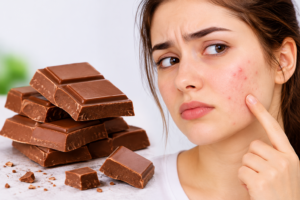

Have you ever noticed pimples appearing after enjoying your favorite chocolate bar? If so, you may have wondered whether chocolate is responsible for your breakouts. For years, chocolate has been blamed for causing acne, but is there scientific evidence behind this popular belief?
Chocolate is one of the world’s favorite sweet treats. However, its relationship with skin health has been debated for decades. Some studies suggest that eating chocolate may worsen acne, while others have found no direct connection between chocolate consumption and pimples.
The truth is that acne is influenced by several factors, including hormones, genetics, excess oil production, clogged pores, inflammation, and diet. Certain ingredients commonly found in chocolate products, particularly sugar and milk, may also contribute to breakouts in some individuals.
In this article, we’ll explore whether chocolate causes acne, what scientific research says, which ingredients may affect your skin, and how you can enjoy chocolate while maintaining a healthy skincare routine.
Does Chocolate Really Cause Acne?
The short answer is that chocolate does not necessarily cause acne in everyone. However, some research suggests that eating certain types of chocolate may worsen existing acne or increase breakouts in people who are already prone to pimples.
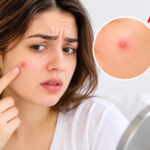
Acne develops when hair follicles become clogged with excess sebum (natural skin oil), dead skin cells, and bacteria. Hormonal changes can increase oil production, making pores more likely to become blocked.
Chocolate itself contains several ingredients, including cocoa solids, cocoa butter, sugar, and sometimes milk. Researchers have investigated whether these components can influence inflammation, insulin levels, and other processes associated with acne.
Although some small studies have reported a connection between chocolate consumption and increased acne lesions, the available evidence is still limited. More large-scale human studies are needed to determine whether chocolate directly affects acne.
What Does Scientific Research Say About Chocolate and Acne?
Researchers have investigated the possible relationship between chocolate and acne for more than five decades. Unfortunately, the results have not always been consistent.
Studies Suggesting Chocolate May Worsen Acne
Some studies indicate that cocoa consumption may contribute to acne development or make existing breakouts more noticeable.
A 2013 laboratory study suggested that chocolate could influence immune responses involving bacteria associated with acne. However, laboratory findings do not necessarily prove that eating chocolate causes the same reaction in humans.
Another small study published in 2014 examined 14 acne-prone men who consumed capsules containing pure cocoa, gelatin, or a combination of both. Researchers observed an association between cocoa consumption and increased acne symptoms.
Similarly, a study involving 25 acne-prone men found that eating 99% dark chocolate daily was associated with an increase in acne lesions after two weeks. Some changes remained noticeable after four weeks.
A separate 2017 study also reported that college students with acne developed more new lesions within 48 hours of consuming chocolate compared with participants who ate jelly beans.
Although these findings are interesting, the studies involved relatively small groups of participants. Therefore, they cannot establish that chocolate is a universal cause of acne.
Youtube Video
Studies That Found No Direct Connection
Not every study supports the chocolate-acne relationship.
A 2012 study involving 44 young adults asked participants to record their food intake over three days. Researchers did not find a clear association between chocolate consumption and acne.
Differences in study design, participant characteristics, chocolate ingredients, and eating habits may explain why research findings vary.
Overall, current scientific evidence does not prove that eating chocolate directly causes acne. However, individual reactions and the ingredients in chocolate products may influence skin health.
Which Chocolate Ingredients May Trigger Breakouts?
When discussing chocolate and acne, it is important to look beyond cocoa. Many chocolate products contain additional ingredients that may affect blood sugar levels, hormones, and inflammation.
Here are some ingredients worth understanding.
1. Added Sugar
Sugar is one of the main ingredients in many popular chocolate bars, candies, and desserts.
Foods containing large amounts of added sugar can cause blood glucose levels to rise quickly. This may increase insulin levels and influence hormones involved in skin oil production.
Higher insulin and insulin-like growth factor 1 (IGF-1) activity may encourage excess sebum production and contribute to clogged pores.
This does not mean that eating one chocolate bar will automatically cause pimples. However, regularly consuming sugary foods may contribute to acne in some people.
2. Milk and Dairy Ingredients
Milk chocolate contains dairy ingredients, which may be relevant for people who experience acne-related dietary triggers.
Some observational studies have associated dairy consumption, particularly milk, with acne. Researchers believe that certain hormones and growth-related signaling pathways may play a role.
However, the relationship is not fully understood, and dairy does not cause breakouts in everyone.
If you regularly experience acne and consume large amounts of milk chocolate, you may want to monitor whether reducing dairy makes a difference.
3. Cocoa Butter and Dietary Fat
Chocolate contains cocoa butter, a natural fat extracted from cocoa beans.
Some people believe that eating fatty foods automatically increases skin oil production. However, dietary fat does not simply travel directly to your pores.
Skin oil production is controlled by several factors, including hormones and genetics.
There is currently insufficient evidence to conclude that cocoa butter in chocolate directly causes acne.
4. Refined Carbohydrates
Chocolate desserts often contain refined carbohydrates from ingredients such as white flour, sweetened fillings, cookies, and cake.
These foods may have a high glycemic load, meaning they can raise blood sugar relatively quickly.
Frequent consumption of high-glycemic foods may contribute to acne development or severity in susceptible individuals.
How Does Your Diet Affect Acne?
Diet can influence skin health, although it is not the only factor responsible for breakouts.
Research suggests that certain eating patterns may be associated with acne, particularly diets containing large amounts of refined carbohydrates and added sugars.
High-Glycemic Foods and Acne
High-glycemic foods are digested quickly and can cause blood sugar levels to increase rapidly.
Examples include:
- White bread
- Sugary breakfast cereals
- Cookies and cakes
- Sweetened beverages
- White rice
- Candy and chocolate desserts
These foods may increase insulin levels, which can influence hormones associated with acne.
Some research suggests that following a low-glycemic eating pattern may help reduce acne severity in certain individuals.
Low-Glycemic Foods for Healthier Skin
A balanced diet containing fiber-rich foods may support overall skin health.
Consider adding the following foods to your meals:
- Fresh fruits and vegetables
- Whole grains
- Beans and lentils
- Nuts and seeds
- Fish rich in omega-3 fatty acids
- Lean protein sources
These foods provide important nutrients that support normal body functions and help maintain balanced blood sugar levels.
Remember that no particular food can guarantee clear skin. A healthy eating pattern works best alongside appropriate skincare and other healthy habits.
Is Dark Chocolate Better for Acne-Prone Skin?
If you love chocolate but are concerned about breakouts, dark chocolate may be a better option than highly sweetened chocolate products.
Dark chocolate generally contains a higher percentage of cocoa and less added sugar than milk chocolate, although the exact amounts vary between products.
Cocoa also contains flavanols and other antioxidant compounds that have been studied for their potential health benefits.
When choosing dark chocolate, consider these tips:
- Choose products with a higher cocoa percentage.
- Look for options with less added sugar.
- Check the ingredient list before purchasing.
- Avoid chocolate products with excessive sweetened fillings.
- Enjoy moderate portions rather than eating large amounts regularly.
However, dark chocolate is not guaranteed to prevent acne. Some small studies have even reported increased acne lesions after consuming high-cocoa dark chocolate.
Therefore, pay attention to your individual skin response instead of assuming that every type of dark chocolate is acne-friendly.
How to Enjoy Chocolate Without Worsening Acne
You do not necessarily need to eliminate chocolate from your diet to maintain healthy-looking skin.
Instead, focus on moderation and identify whether particular foods seem to affect your breakouts.
Here are some practical ways to enjoy chocolate while supporting your skin.
1. Limit Added Sugar
Choose chocolate products with lower amounts of added sugar. Regularly consuming large quantities of sugary desserts may contribute to acne in susceptible individuals.
2. Practice Portion Control
Eating chocolate occasionally in moderate portions is different from consuming several large bars every day.
Pay attention to your overall eating habits rather than worrying about a single treat.
3. Maintain a Balanced Diet
Include vegetables, fruits, whole grains, healthy fats, and protein in your daily meals.
A balanced diet supports general health and may help reduce dietary factors associated with acne.
4. Keep a Food and Skin Journal
If you suspect chocolate triggers your acne, keep a simple record of what you eat and when new breakouts appear.
Track your food intake, skincare products, and changes in your skin over several weeks.
This may help you identify patterns, although it cannot prove that one particular food is responsible.
5. Follow a Consistent Skincare Routine
Good skincare habits can help manage acne regardless of your diet.
Consider using:
- A gentle facial cleanser
- A non-comedogenic moisturizer
- Sunscreen with SPF 30 or higher
- Salicylic acid for clogged pores
- Benzoyl peroxide for inflammatory acne, if appropriate
Introduce active skincare ingredients gradually to reduce irritation.
Other Factors That Can Cause Acne
Chocolate is only one possible dietary factor researchers have investigated. Many other influences play a more established role in acne development.
Hormonal changes: Hormone fluctuations during puberty, menstruation, and other life stages can increase oil production.
Genetics: People with a family history of acne may have a greater likelihood of developing breakouts.
Excess sebum: Overactive oil glands can contribute to clogged pores.
Dead skin cells: When dead skin cells accumulate inside hair follicles, they can mix with oil and form blockages.
Bacteria and inflammation: Cutibacterium acnes is a bacterium associated with acne development. Inflammation contributes to red, swollen pimples.
Stress: Stress may worsen existing acne in some individuals by influencing hormonal and inflammatory pathways.
Understanding these factors can help you manage acne more effectively instead of blaming one particular food.
When Should You See a Dermatologist?
Occasional pimples are common, but persistent or severe acne may require professional treatment.
Consider visiting a dermatologist if:
- Your acne does not improve after several weeks of consistent skincare.
- You develop painful or deep cystic pimples.
- Breakouts leave dark spots or permanent scars.
- Acne affects your confidence or emotional well-being.
- Over-the-counter treatments are not helping.
A dermatologist can identify your acne type and recommend appropriate treatments, including topical retinoids, benzoyl peroxide, or prescription medications when necessary.
Avoid squeezing or picking pimples because this can increase inflammation and the risk of scarring.
Frequently Asked Questions
Does eating chocolate cause pimples?
There is no strong scientific evidence that chocolate directly causes pimples in everyone. However, some small studies suggest that chocolate consumption may worsen acne in people who are already prone to breakouts.
Can dark chocolate cause acne?
Dark chocolate contains cocoa compounds and may contain less sugar than milk chocolate. However, small studies have reported increased acne lesions after dark chocolate consumption. Individual responses can vary.
Is milk chocolate worse for acne than dark chocolate?
Milk chocolate often contains more added sugar and dairy ingredients than dark chocolate. These ingredients may influence acne in susceptible individuals, but there is not enough evidence to say that milk chocolate always causes more breakouts.
How long after eating chocolate can acne appear?
There is no established timeline linking chocolate consumption to acne. Some small studies have reported changes in acne lesions within days or weeks, but individual experiences vary.
Should I stop eating chocolate if I have acne?
Not necessarily. If you enjoy chocolate, try eating moderate portions and monitoring your skin. If you notice a consistent relationship between a particular product and breakouts, consider reducing it.
What foods should I avoid if I have acne?
Some research links high-glycemic foods and certain dairy products with acne. However, there is no universal acne diet. Focus on balanced meals and identify your individual dietary triggers.
Final Thoughts
So, does chocolate cause acne? The answer is more complicated than you might expect.
Although some small studies suggest that chocolate may worsen breakouts, current research does not establish a direct cause-and-effect relationship. Ingredients such as added sugar, dairy, and refined carbohydrates may be more relevant to acne in certain individuals.
You do not have to give up your favorite sweet treat completely. Choose chocolate with less added sugar, enjoy reasonable portions, maintain a balanced diet, and follow a consistent skincare routine.
Most importantly, remember that acne is influenced by multiple factors, including hormones, genetics, oil production, and inflammation. If your breakouts are persistent or severe, consult a dermatologist for appropriate treatment.