

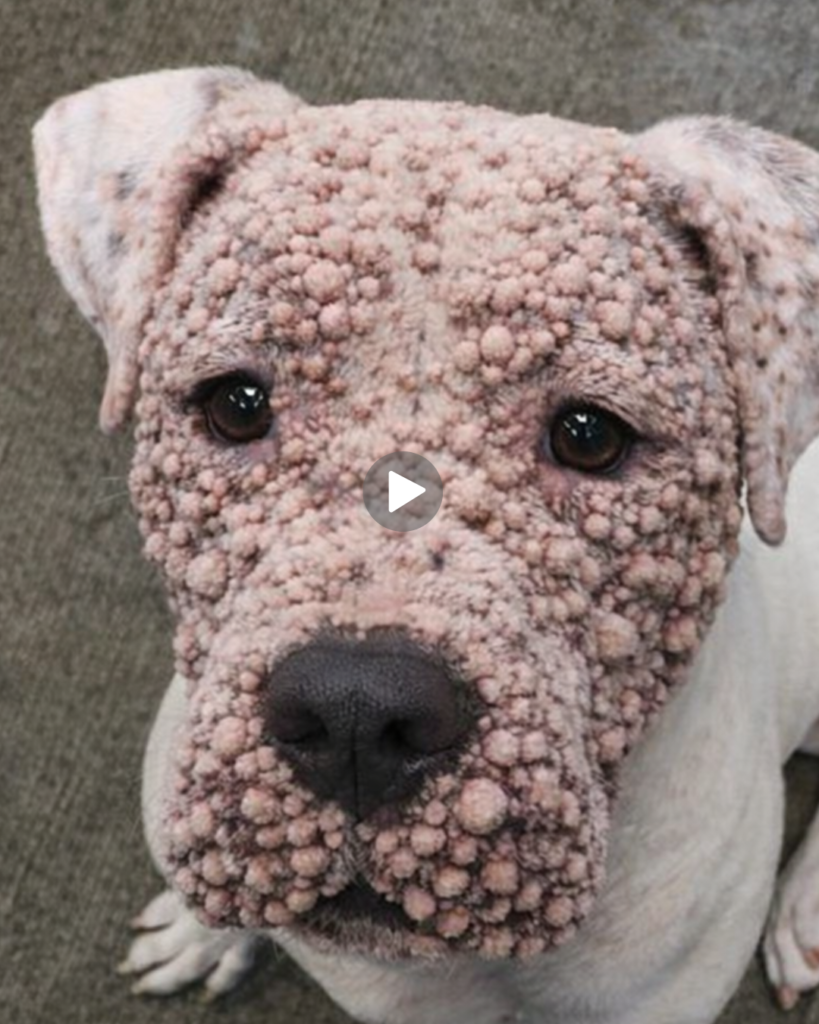
Dog Skin Issues and Their Treatment
Skin problems are very common in dogs and can affect dogs of any breed, age, or size. A dog’s skin is the largest organ of the body and plays an important role in protecting against infections, regulating temperature, and maintaining overall health. When a dog develops a skin issue, it can cause discomfort, itching, pain, hair loss, and sometimes serious infections if left untreated. Understanding the causes, symptoms, and treatment options can help dog owners take better care of their pets.
Common Causes of Skin Problems in Dogs
There are many reasons why dogs develop skin issues. One of the most common causes is allergies. Dogs can be allergic to food ingredients, pollen, dust mites, mold, or flea bites. Allergic reactions often lead to itching, redness, rashes, and excessive licking or scratching.
Parasites are another major cause. Fleas, ticks, mites, and lice can irritate the skin and cause conditions such as flea allergy dermatitis or mange. These parasites can lead to hair loss, scabs, sores, and infections.
Bacterial and fungal infections also commonly affect dog skin. Bacterial infections often occur when the skin is damaged by scratching, allowing bacteria to enter. Fungal infections, such as yeast infections or ringworm, can cause itching, odor, redness, and flaky skin.
Hormonal imbalances, such as hypothyroidism or Cushing’s disease, can affect the skin and coat. Dogs with hormonal problems may experience hair thinning, dry skin, darkened patches, or recurring infections.
Other causes include poor nutrition, stress, environmental factors, and lack of proper grooming. A diet lacking essential nutrients can weaken the skin barrier and make dogs more prone to skin conditions.
Signs and Symptoms of Skin Issues
Dog owners should watch for signs that indicate a skin problem. Common symptoms include persistent itching or scratching, redness, swelling, hair loss, dry or flaky skin, scabs, sores, bad odor, and changes in skin color. Some dogs may rub their bodies against furniture or lick certain areas excessively. In severe cases, open wounds and pus may be present, which require immediate veterinary attention.
Diagnosis of Dog Skin Problems
Proper diagnosis is essential for effective treatment. A veterinarian will examine the dog’s skin and may ask questions about diet, environment, and behavior. Diagnostic tests such as skin scrapings, blood tests, allergy tests, or fungal cultures may be used to identify the underlying cause. Treating the symptoms alone without addressing the root cause can lead to recurring problems.
Treatment Options for Dog Skin Issues
Treatment depends on the cause and severity of the skin condition. For allergies, treatment may include antihistamines, corticosteroids, or allergy-specific medications prescribed by a veterinarian. In food allergies, switching to a hypoallergenic or limited-ingredient diet can greatly improve skin health.
Parasite-related skin issues require parasite control treatments. Flea and tick preventatives, medicated shampoos, or topical and oral medications are commonly used. Regular prevention is crucial to avoid reinfestation.
Bacterial and fungal infections are treated with antibiotics or antifungal medications. These may be given orally, topically, or both. Medicated shampoos and sprays help reduce infection and soothe irritated skin. It is important to complete the full course of medication, even if symptoms improve early.
For hormonal disorders, long-term management is usually required. Medications that regulate hormone levels can improve skin condition over time. Regular veterinary checkups are necessary to monitor progress.
Home Care and Supportive Treatment
In addition to veterinary treatment, proper home care plays a key role in recovery. Bathing with vet-recommended shampoos can help relieve itching and remove allergens. However, over-bathing should be avoided, as it can dry out the skin.
Providing a balanced and nutritious diet is essential. Omega-3 and Omega-6 fatty acids support healthy skin and coat and can reduce inflammation. Supplements should only be given under veterinary guidance.
Keeping the dog’s environment clean helps reduce exposure to allergens and parasites. Regular grooming, brushing, and checking the skin can help detect problems early.
Prevention of Skin Issues
Preventive care is the best way to protect a dog’s skin. Regular parasite prevention, high-quality nutrition, routine grooming, and timely veterinary visits can significantly reduce the risk of skin problems. Addressing minor symptoms early can prevent them from becoming serious conditions.
Conclusion
Dog skin issues are common but manageable with proper care and treatment. Identifying the cause, seeking veterinary advice, and following a consistent treatment plan are key to recovery. With the right approach, most dogs can regain healthy skin and live comfortable, happy lives. A caring and attentive owner plays the most important role in maintaining a dog’s skin health.
