

A dog’s skin is the largest organ of its body and plays a vital role in protecting it from infections, parasites, and environmental damage. Healthy skin not only keeps your dog comfortable but also contributes to a shiny, beautiful coat. Many pet owners focus on feeding and exercising their dogs but often overlook proper skin care.
Fortunately, dog skin care at home is simple and affordable when done correctly. With the right grooming routine, balanced nutrition, and natural remedies, you can help your furry friend maintain healthy skin and avoid common skin problems.
In this guide, you’ll learn everything you need to know about caring for your dog’s skin at home.
Why Dog Skin Care Is Important
Healthy skin acts as a protective barrier against bacteria, allergens, and harmful environmental factors. When your dog’s skin becomes dry, irritated, or infected, it can lead to discomfort, excessive scratching, hair loss, and even serious health issues.
Proper skin care helps:
- Reduce itching and irritation
- Prevent skin infections
- Improve coat appearance
- Reduce shedding
- Detect health problems early
- Increase overall comfort
Regular attention to your dog’s skin can significantly improve its quality of life.
Common Dog Skin Problems
Before discussing home care, it is important to understand common skin issues that dogs experience.
Dry Skin
Dry skin often causes flaking, dandruff, and itching. It can result from cold weather, poor nutrition, excessive bathing, or allergies.
Allergies
Dogs may develop allergies to food, pollen, dust, grass, or household chemicals. Allergic reactions often appear as itchy, red, and inflamed skin.
Fleas and Parasites
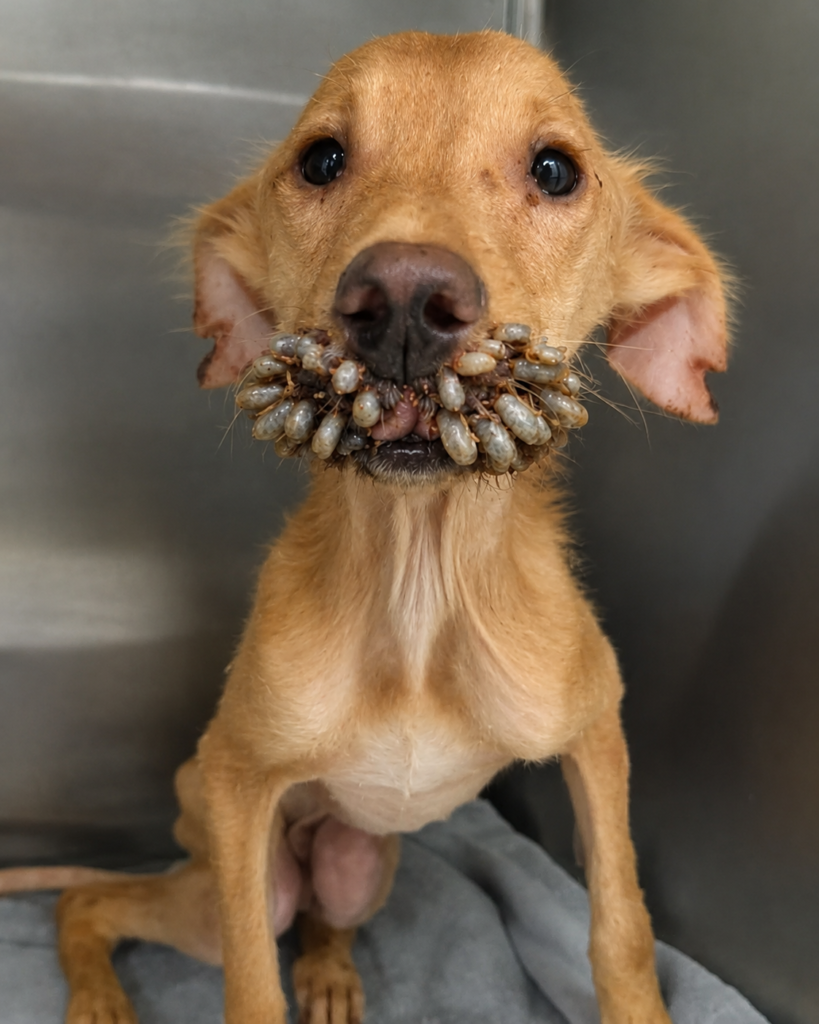
Fleas, ticks, and mites can irritate the skin and cause severe scratching, redness, and infections.
Hot Spots
Hot spots are painful, red, moist areas that develop when dogs lick or scratch excessively.
Skin Infections
Bacterial and fungal infections can cause redness, swelling, bad odor, and hair loss.
Understanding these conditions helps pet owners take preventive measures and seek veterinary care when necessary.
Regular Brushing for Healthy Skin
Brushing is one of the simplest and most effective dog skin care practices.
Benefits of Brushing
- Removes loose fur and dirt
- Distributes natural skin oils
- Improves blood circulation
- Prevents matting
- Helps detect skin problems early
How Often Should You Brush?
The frequency depends on your dog’s coat type:
- Short-haired dogs: 1-2 times per week
- Medium-haired dogs: 3-4 times per week
- Long-haired dogs: Daily brushing
Always use a brush designed for your dog’s coat type to avoid skin irritation.
Proper Bathing Routine
Bathing helps remove dirt, allergens, and excess oil from the skin. However, over-bathing can strip natural oils and cause dryness.
How Often Should You Bathe Your Dog?
Most dogs only need a bath every 4-8 weeks. Dogs with skin conditions may require a special bathing schedule recommended by a veterinarian.
Tips for Safe Bathing
- Use lukewarm water
- Choose a dog-specific shampoo
- Avoid human shampoos
- Rinse thoroughly
- Dry the coat completely
Using gentle and moisturizing dog shampoos can help maintain healthy skin.
Choosing the Right Dog Shampoo
Selecting the right shampoo is crucial for skin health.
Look for shampoos containing:
- Oatmeal
- Aloe vera
- Coconut oil
- Vitamin E
Avoid products containing:
- Harsh chemicals
- Artificial fragrances
- Alcohol-based ingredients
Natural ingredients help soothe irritated skin while maintaining moisture.
Nutrition for Healthy Dog Skin
Skin health starts from within. A balanced diet provides the nutrients necessary for healthy skin and coat development.
Essential Nutrients
Omega-3 Fatty Acids
Omega-3 fatty acids help reduce inflammation and improve skin moisture.
Sources include:
- Fish oil
- Salmon
- Sardines
Protein
Protein supports skin repair and healthy coat growth.
Good sources include:
- Chicken
- Turkey
- Beef
- Fish
Vitamins and Minerals
Important nutrients include:
- Vitamin A
- Vitamin E
- Zinc
- Biotin
These nutrients help maintain healthy skin cells and prevent dryness.
Keep Your Dog Hydrated
Water plays an important role in skin health. Dehydration can lead to dry, flaky skin and a dull coat.
Ensure your dog always has access to fresh, clean water.
Signs of dehydration include:
- Dry gums
- Sunken eyes
- Reduced energy
- Loss of skin elasticity
Adequate hydration supports healthy skin function and overall health.
Natural Home Remedies for Dog Skin Care
Several natural remedies may help soothe mild skin irritation.
Coconut Oil
Coconut oil contains moisturizing properties that can help relieve dryness.
How to use:
- Apply a small amount directly to dry skin
- Massage gently
- Use sparingly to avoid greasy buildup
Oatmeal Bath
Oatmeal is known for its soothing effects on itchy skin.
Instructions:
- Grind plain oatmeal into a fine powder.
- Mix it into warm bath water.
- Soak your dog for 10-15 minutes.
This remedy may reduce itching and irritation.
Aloe Vera
Pure aloe vera gel may help soothe minor skin irritation.
Only use pet-safe aloe vera products and avoid products containing harmful additives.
Protect Your Dog From Fleas and Ticks
Parasites are one of the most common causes of skin problems.
Prevention Tips
- Use veterinarian-approved flea prevention
- Check your dog after outdoor activities
- Wash bedding regularly
- Vacuum carpets frequently
Consistent parasite control can prevent itching and skin infections.
Maintain a Clean Living Environment
A clean home helps reduce allergens and skin irritants.
Home Hygiene Tips
- Wash dog bedding weekly
- Clean food and water bowls daily
- Vacuum regularly
- Remove dust and pet dander
- Use pet-safe cleaning products
A cleaner environment often leads to healthier skin.
Monitor for Signs of Skin Problems
Regular skin checks can help identify issues before they become serious.
Look for:
- Excessive scratching
- Redness
- Hair loss
- Scabs
- Bumps
- Bad odor
- Flaky skin
Early detection often leads to faster treatment and recovery.
When to Visit a Veterinarian
Home care is effective for maintaining healthy skin, but some conditions require professional attention.
Contact a veterinarian if your dog experiences:
- Severe itching
- Open wounds
- Persistent redness
- Hair loss
- Swelling
- Skin infections
- Unusual lumps
A veterinarian can diagnose underlying issues and recommend appropriate treatment.
Seasonal Dog Skin Care Tips
Summer
- Protect against fleas and ticks
- Provide shade and fresh water
- Avoid excessive sun exposure
Winter
- Use humidifiers indoors
- Avoid over-bathing
- Apply moisturizing products if needed
Adjusting your routine according to the season helps maintain healthy skin year-round.
Conclusion
Dog skin care at home does not have to be complicated. Simple habits such as regular brushing, proper bathing, balanced nutrition, hydration, and parasite prevention can significantly improve your dog’s skin health. Natural remedies like oatmeal baths and coconut oil may provide additional support for minor skin concerns.
By paying attention to your dog’s skin and coat, you can detect problems early and keep your furry companion comfortable, healthy, and happy. Consistent care is the key to maintaining soft, healthy skin and a shiny coat throughout your dog’s life.
