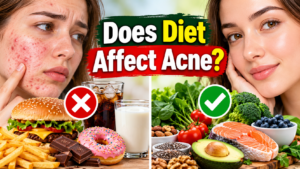

Does Diet Affect Acne? Foods That May Cause Breakouts and What to Eat for Clear Skin
Introduction
Acne is one of the most common skin conditions, affecting teenagers and adults worldwide. It can cause pimples, blackheads, whiteheads, and sometimes painful cysts that may leave scars. Many people try different skincare products to manage breakouts, but one important question often comes up: Does diet affect acne?
Research suggests that diet may influence acne in some people. Certain eating patterns, particularly diets high in refined carbohydrates and foods that rapidly increase blood sugar, have been associated with more frequent breakouts. Some studies have also found a possible connection between dairy consumption and acne, although the evidence is not conclusive for everyone.
But food is just one aspect of the situation. Acne can also be caused by hormones, genetics, stress, skincare practices, medications, and other factors. Dietary changes may promote healthier skin, but they are not a cure-all.
This article will examine the connection between diet and acne, list foods that can exacerbate breakouts, and go over what you can eat to promote healthier-looking, clearer skin.
How Does Diet Affect Acne?
Acne develops when hair follicles become clogged with excess oil, dead skin cells, and other debris. Inflammation and changes in the skin’s normal bacterial environment can contribute to the formation of pimples.
Diet may influence some of the biological processes involved in acne, including blood sugar regulation, insulin signaling, and inflammation.
For example, eating large amounts of high-glycemic foods can cause blood sugar to rise quickly. This may increase insulin and related growth signals, which can influence oil production and skin cell activity. In some individuals, these changes may contribute to acne.
Certain foods may also affect people differently because of hormonal differences, genetics, and individual sensitivity.
It is important to understand that eating one chocolate bar or one serving of dairy does not automatically cause acne. Overall eating patterns and individual responses matter more than blaming a single food.
1. High-Glycemic Foods and Acne
High-glycemic foods are carbohydrates that can raise blood sugar relatively quickly. Research has linked diets with a high glycemic load to acne in some populations.
Examples include:
- White bread and refined flour products
- Sugary breakfast cereals
- Candy and sweets
- Sugary drinks and soda
- Cakes, cookies, and pastries
- Large portions of highly refined carbohydrates
These foods may influence insulin-related pathways that affect oil production and inflammation.
What Can You Eat Instead?
Consider replacing some refined carbohydrates with lower-glycemic alternatives, such as:
- Oats and minimally processed whole grains
- Beans and lentils
- Vegetables
- Whole fruits
- Whole-grain bread
- Balanced meals containing protein and fiber
You do not need to eliminate all carbohydrates. Choosing less processed options and combining carbohydrates with protein, healthy fats, and fiber can help support steadier blood sugar levels.
2. Does Dairy Cause Acne?
Dairy products are another frequently discussed factor in acne. Some observational studies have found an association between cow’s milk consumption and acne, particularly in certain groups of teenagers and young adults.
This does not, however, establish a direct link between dairy and acne. Numerous people eat dairy products without developing obvious skin issues, according to conflicting research findings.
Researchers are investigating the potential effects of naturally occurring hormones and other bioactive components found in milk on acne-related pathways. The precise nature of the relationship is still unknown..
Should You Stop Drinking Milk?
You do not necessarily need to eliminate milk, cheese, or yogurt from your diet.
If you suspect dairy may be a trigger, consider keeping a food and skin diary to see whether a consistent pattern appears. If you choose to reduce dairy, make sure you still obtain sufficient calcium, protein, and vitamin D from suitable alternatives or other foods.
Fortified, unsweetened plant-based drinks may be useful substitutes, depending on their nutritional content.
Avoid making restrictive dietary changes without a good reason, particularly if you are a teenager, pregnant, or have specific nutritional needs.
3. Can Sugar Make Acne Worse?
Foods and drinks containing large amounts of added sugar can contribute to a high-glycemic eating pattern. This may be relevant for people who notice that their acne worsens when they regularly consume sugary products.
Common sources of added sugar include:
- Soft drinks and energy drinks
- Sweetened tea and coffee
- Candy and chocolate products with added sugar
- Sweet bakery items
- Sugary packaged snacks
The relationship between sugar and acne is more complicated than simply avoiding every sweet food. The amount consumed, the overall diet, and individual factors all matter.
Healthier Alternatives
Try drinking water instead of sugary beverages more often. Choose whole fruit when you want something sweet, and enjoy desserts in moderation rather than treating them as completely forbidden foods.
Whole fruit contains fiber and useful nutrients, making it different from many highly processed sugary snacks.
4. Best Foods for Acne-Prone Skin
No single food can guarantee clear skin, but a balanced diet provides nutrients that support normal skin function and overall health.
Vegetables and Fruits
Vegetables and fruits supply vitamins, minerals, fiber, and antioxidants. Include a variety of colorful choices, such as spinach, carrots, tomatoes, berries, oranges, and peppers.
These foods support general health, although eating more fruit or vegetables alone has not been proven to eliminate acne.
Whole Grains
Oats, brown rice, and other minimally processed whole grains can provide fiber and may help you build meals with a lower glycemic load.
Replace some refined grains with whole grains gradually, choosing options that fit your preferences and nutritional needs.
Protein-Rich Foods
Protein helps the body maintain and repair tissues. Useful choices include eggs, beans, lentils, fish, chicken, tofu, and other protein-rich foods.
Combining protein with vegetables and fiber-rich carbohydrates can make meals more balanced and satisfying.
Healthy Fats
Foods containing unsaturated fats, including nuts, seeds, olive oil, and oily fish, can be part of a healthy eating pattern.
Fatty fish such as salmon and sardines provide omega-3 fatty acids. These fats are being studied for their role in inflammation, but they should not be considered a proven acne treatment.
Zinc-Rich Foods
Zinc is an essential mineral involved in normal immune function and tissue maintenance. Foods that contain zinc include beans, lentils, seafood, meat, dairy products, seeds, and nuts.
A balanced diet can usually provide zinc without requiring supplements. Taking high doses of zinc without medical advice may cause side effects and interfere with copper absorption.
5. Does Chocolate Cause Acne?
Chocolate is often blamed for breakouts, but the evidence is not strong enough to conclude that chocolate itself causes acne in everyone.
Some chocolate products contain substantial amounts of added sugar and milk ingredients. These components may be relevant for people whose acne appears sensitive to their overall dietary pattern.
Research on chocolate and acne has limitations, and individual responses differ.
If you enjoy chocolate, you do not automatically need to stop eating it. Pay attention to your overall diet and whether a consistent relationship appears between a particular product and your breakouts.
6. The Role of Hormones and Inflammation
Diet is only one possible influence on acne. Hormones play an important role because they can stimulate the sebaceous glands to produce more oil.
This helps explain why acne commonly develops during puberty and why some adults experience breakouts around their menstrual cycle.
Genetics can influence how sensitive the skin is to hormonal signals. Stress may also worsen acne for some people, while certain medications and skincare products can contribute to breakouts.
Another aspect of the development of acne is inflammation. A healthy diet promotes overall well-being, however it is untrue to say that a particular food can totally prevent acne or that all acne outbreaks are brought on by inflammation from food.
You can avoid needless food limitations and concentrate on a successful treatment plan by being aware of these aspects.
7. A Simple One-Day Diet Plan for Clearer Skin
A practical eating plan should be balanced, affordable, and easy to maintain. The following example emphasizes whole foods without promising to cure acne.
Breakfast: Oatmeal topped with berries, plus eggs or another protein source.
Mid-morning snack: An apple, orange, or a small handful of nuts.
Lunch: Brown rice or whole-grain roti with lentils, beans, chicken, or fish, alongside vegetables.
Afternoon snack: Plain yogurt if tolerated, or a suitable fortified plant-based alternative.
Dinner: Grilled fish, tofu, chicken, or beans with vegetables and a whole-grain carbohydrate.
Drinks: Water throughout the day, with unsweetened beverages as preferred.
This is a general example rather than a personalized meal plan. Portion sizes and food choices should reflect your age, activity level, health needs, cultural preferences, and budget.
You do not need expensive superfoods, detox drinks, or special juices to support healthy skin.
8. How Long Does It Take for Diet Changes to Affect Acne?
Diet-related changes, if helpful, are unlikely to produce overnight results. Acne develops through processes that take time, and skin changes can be influenced by hormones, skincare, and other factors.
If you decide to adjust your eating pattern, focus on consistency rather than making several extreme changes at once. You may choose to observe your skin over approximately six to twelve weeks while maintaining a simple diary of meals and breakouts.
This period is a practical observation window, not a guarantee that acne will improve. If there is no clear improvement, food may not be a major trigger for you.
Avoid repeatedly removing entire food groups based on short-term changes in your skin.
9. Common Diet Mistakes to Avoid
People who want clearer skin sometimes follow restrictive diets that are difficult to maintain and may not provide enough nutrients.
Avoid these common mistakes:
Eliminating every carbohydrate: Your body needs carbohydrates, and whole grains, beans, vegetables, and fruit can be part of a healthy diet.
Cutting out all dairy without a plan: If you reduce dairy, replace important nutrients such as calcium and vitamin D.
Taking high-dose supplements: More vitamins and minerals do not automatically mean healthier skin. Excessive supplementation can cause harm.
Expecting food to cure severe acne: Dietary changes alone may not control moderate or severe acne, especially when hormonal factors are involved.
Ignoring skincare: Gentle cleansing, non-comedogenic moisturizers, and evidence-based acne treatments may be more directly useful than dietary changes alone.
10. When Should You See a Dermatologist?
If acne is persistent, painful, severe, or leaving scars, consult a dermatologist. Early treatment can reduce the risk of long-term scarring and help you find an approach suited to your skin.
A healthcare professional may recommend treatments such as benzoyl peroxide, topical retinoids, azelaic acid, or prescription medicines, depending on your situation.
Seek medical advice if acne begins suddenly alongside other unusual symptoms, such as irregular menstrual periods or increased facial hair, because hormonal conditions may sometimes need assessment.
Do not delay effective treatment while trying to identify every possible food trigger.
Conclusion
So, does diet affect acne? Research suggests that diet may influence breakouts in some people, particularly when eating patterns contain many high-glycemic foods. Dairy has also been associated with acne in some studies, but the evidence does not establish that it causes breakouts in everyone.
A balanced eating pattern that includes vegetables, fruits, whole grains, protein, and healthy fats can support overall health and may be helpful for some acne-prone individuals. Limiting excessive added sugar and observing your personal food patterns may also be worthwhile.
However, no diet plan can ensure flawless skin, and nutrition is not the only factor contributing to acne. Combine suitable treatment, gentle skincare, and a balanced diet. For the best chance of improvement, consult a dermatologist if your acne is uncomfortable, chronic, or leaving scars.