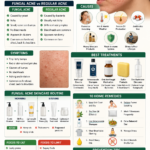

Cystic acne on the chin is one of the most painful and stubborn forms of acne. Unlike ordinary pimples, cystic acne develops deep beneath the skin’s surface, causing large, swollen, and often painful bumps that can take weeks to heal. If left untreated, these breakouts may lead to permanent acne scars.
For many people, chin cystic acne is linked to hormonal changes, but factors such as stress, genetics, diet, and improper skincare can also contribute to flare-ups.
In this guide, you’ll learn what causes cystic acne on the chin, how to recognize its symptoms, the most effective treatments, and practical ways to prevent future breakouts.
What Is Cystic Acne?
Cystic acne is the most severe type of acne. It occurs when pores become blocked with oil (sebum), dead skin cells, and bacteria. The blockage triggers inflammation deep within the skin, leading to large, painful cysts.
Unlike whiteheads or blackheads, cystic acne forms beneath the skin and usually does not come to a head.
Why Does Cystic Acne Commonly Appear on the Chin?
The chin and jawline contain many oil glands that are highly sensitive to hormones, especially androgen hormones. Hormonal fluctuations can increase oil production, making this area more prone to deep acne.
Causes of Cystic Acne on Chin
1. Hormonal Changes
Hormonal fluctuations are one of the most common causes of chin cystic acne.
Common triggers include:
- Puberty
- Menstrual cycles
- Pregnancy
- Menopause
- Polycystic Ovary Syndrome (PCOS)
2. Excess Oil Production
Overactive sebaceous glands produce too much oil, which mixes with dead skin cells and blocks pores.
3. Bacteria
The bacteria Cutibacterium acnes naturally lives on the skin. When trapped inside clogged pores, it can cause inflammation and deep cyst formation.
4. Genetics
If your parents experienced severe acne, you may have a higher risk of developing cystic acne.
5. Stress
Stress doesn’t directly cause acne, but it increases cortisol levels, which may stimulate oil production and worsen existing breakouts.
6. Certain Skincare Products
Heavy creams, greasy makeup, and pore-clogging products may contribute to acne.
Look for products labeled:
- Oil-free
- Non-comedogenic
- Fragrance-free (if you have sensitive skin)
7. Diet
Some studies suggest that high-glycemic foods and excessive dairy intake may worsen acne in some individuals, though responses vary from person to person.
Symptoms of Cystic Acne on Chin
Common symptoms include:
- Large painful bumps
- Deep cysts under the skin
- Swelling
- Redness
- Tenderness when touched
- No visible whitehead
- Slow healing
- Acne scars after healing
- Recurrent breakouts in the same area
Who Is Most Likely to Get Chin Cystic Acne?
People at higher risk include:
- Teenagers
- Adults with hormonal acne
- Women during menstrual cycles
- Individuals with PCOS
- People with oily skin
- Those with a family history of severe acne
How Is Cystic Acne Diagnosed?
A dermatologist usually diagnoses cystic acne by examining your skin. In some cases, additional evaluation may be recommended if hormonal conditions are suspected.
Best Treatments for Cystic Acne on Chin
1. Benzoyl Peroxide
Benzoyl peroxide helps reduce acne-causing bacteria and inflammation. Lower concentrations (2.5%–5%) are often effective while being less irritating.
2. Salicylic Acid
Salicylic acid exfoliates inside the pores, helping remove excess oil and dead skin cells.
Benefits include:
- Clears clogged pores
- Reduces oil
- Helps prevent future breakouts
3. Topical Retinoids
Prescription or over-the-counter retinoids help:
- Prevent clogged pores
- Increase cell turnover
- Reduce inflammation
- Improve post-acne marks over time
Because retinoids can increase sun sensitivity, daily sunscreen use is important.
4. Oral Antibiotics
For moderate to severe inflammatory acne, dermatologists may prescribe oral antibiotics for a limited time. These medications reduce bacteria and inflammation but are typically combined with topical treatments to reduce antibiotic resistance.
5. Hormonal Therapy
For women with hormonally driven acne, healthcare providers may recommend treatments such as certain birth control pills or spironolactone when appropriate.
These medications should only be used under medical supervision.
6. Isotretinoin
Severe, persistent cystic acne that does not respond to other treatments may require isotretinoin.
This medication can be highly effective but requires close monitoring due to potential side effects and pregnancy-related risks.
Build a Skincare Routine for Chin Acne
Morning Routine
- Gentle cleanser
- Oil-free moisturizer
- Broad-spectrum SPF 30+ sunscreen
Evening Routine
- Gentle cleanser
- Salicylic acid or retinoid (as directed)
- Lightweight moisturizer
Avoid over-cleansing or using harsh scrubs, which can worsen irritation.