
White Bumps Under Eyes
Small white bumps under the eyes can make your skin look uneven and affect your appearance. These tiny bumps are common and may develop due to trapped keratin, clogged hair follicles, or skin irritation. Although they are usually harmless, some people find them uncomfortable or difficult to remove.
One of the most common causes of white bumps under the eyes is milia. However, other skin conditions, including allergic reactions and keratosis pilaris, may also cause small bumps around the face.
Understanding the cause is important because not all white bumps need the same treatment. In this article, we will discuss the common causes of white bumps under the eyes, effective treatment options, and simple ways to prevent them.
1. What Are White Bumps Under the Eyes?
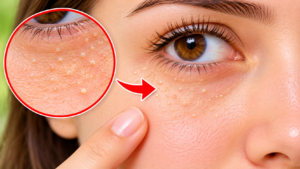
White bumps under the eyes are small, raised spots that may appear white, yellowish, or skin-colored. They can develop individually or in small groups.
These bumps are often painless and do not cause serious problems. However, some may remain on the skin for several weeks or months.
Milia are among the most common causes of tiny white bumps around the eyes. They develop when keratin becomes trapped beneath the skin’s surface.
Other possible causes include allergic reactions, clogged pores, and certain skin conditions.
2. Common Causes of White Bumps Under the Eyes
Several factors can contribute to small white bumps under the eyes. Identifying the cause can help you choose the right skincare treatment.
1. Milia (Milk Spots)
Milia are tiny white or yellowish bumps that commonly appear under the eyes, around the cheeks, and on the nose.
They develop when keratin, a protein naturally found in the skin, becomes trapped beneath the outer layer of the skin.
Milia are not caused by poor hygiene or acne. They are usually harmless and do not cause pain or itching.
They can occur at any age, including in newborn babies and adults. In many cases, milia disappear naturally, although adult milia may remain for several months.
Avoid squeezing or popping milia because this can damage the delicate skin around your eyes.
Youtube Video
2. Allergic Reactions
Allergic reactions can cause irritation, redness, itching, swelling, and small bumps around the eyes.
Certain skincare products, eye creams, makeup, fragrances, and cleansers may trigger allergic contact dermatitis in sensitive individuals.
If white bumps appear after using a new product, stop using it and observe whether the irritation improves.
For persistent itching, swelling, or redness, consult a dermatologist. Avoid applying medicated creams near your eyes without professional advice.
3. Keratosis Pilaris
Keratosis pilaris is a common skin condition that causes small, rough bumps. It develops when keratin builds up and blocks hair follicles.
It usually appears on the upper arms, thighs, cheeks, and buttocks. Facial keratosis pilaris can sometimes affect the cheek area.
The bumps may look white, red, or skin-colored and can make the skin feel rough.
Keratosis pilaris is harmless and often improves with age. Gentle moisturizers can help reduce dryness and rough skin.
4. Clogged Pores
Clogged pores can develop when excess oil and dead skin cells accumulate inside hair follicles.
Heavy eye creams, makeup, and skincare products may contribute to clogged pores in some people.
These bumps may look similar to milia, but they are not always the same condition.
Using lightweight, non-comedogenic skincare products may help reduce clogged pores.
5. Skin Irritation From Skincare Products
The skin around your eyes is thinner and more delicate than most other areas of your face.
Strong skincare ingredients, fragrances, exfoliating products, and harsh cleansers can irritate this area.
Irritation may cause redness, dryness, itching, and small raised bumps.
Using gentle, fragrance-free skincare products can help protect the skin barrier.
3. How to Get Rid of White Bumps Under the Eyes
The right treatment depends on what is causing the bumps. Milia, allergies, and clogged pores require different approaches.
Here are some ways to improve the appearance of the skin and manage common causes.
1. Use a Gentle Moisturizer
Keeping the skin hydrated can help reduce dryness and irritation.
Choose a lightweight, fragrance-free moisturizer that is suitable for sensitive skin.
Apply a small amount gently around the orbital bone, avoiding direct contact with your eyes.
2. Avoid Heavy Eye Creams
Some thick creams and oily skincare products may contribute to clogged pores in certain individuals.
If you regularly develop small bumps under your eyes, consider switching to a lightweight, non-comedogenic moisturizer.
Avoid applying excessive amounts of skincare products to this delicate area.
3. Use Warm Compresses Carefully
A clean, comfortably warm compress may help soothe irritated skin.
Place it gently over your closed eyes for a few minutes. Make sure the cloth is not too hot.
Warm compresses may provide comfort, but they do not reliably remove milia or clear keratin trapped beneath the skin.
4. Stop Using Products That Cause Irritation
If bumps appear after introducing a new skincare product, stop using it temporarily.
Common triggers include:
- Fragranced eye creams
- Strong facial cleansers
- Certain makeup products
- Harsh exfoliating treatments
- Products containing irritating ingredients
Once the irritation improves, choose gentle products designed for sensitive skin.
5. Consider Professional Milia Removal
If milia remain for a long time or affect your appearance, a dermatologist can remove them safely.
Professional extraction involves opening the tiny surface covering and carefully removing the trapped keratin.
Do not attempt this procedure at home because the skin around the eyes is delicate and can easily become damaged.
6. Use Medicated Treatments Only With Professional Advice
Some topical treatments, including retinoids, may help certain types of clogged pores and skin conditions.
However, retinoids are not suitable for every type of white bump and can cause irritation around the eyes.
A dermatologist can determine whether a medicated treatment is appropriate for your skin.
4. How to Prevent White Bumps Under the Eyes
Although you cannot prevent every type of white bump, good skincare habits can help reduce irritation and clogged pores.
Clean Your Face Gently
Wash your face with a mild cleanser to remove makeup, dirt, and excess oil.
Avoid rubbing or scrubbing the under-eye area because this can damage the delicate skin.
Choose Suitable Skincare Products
Use lightweight, fragrance-free, and non-comedogenic skincare products.
Avoid heavy creams if you notice that they contribute to bumps around your eyes.
Avoid Picking or Squeezing Bumps
Never squeeze, scratch, or pop white bumps under your eyes.
Picking can cause inflammation, infection, skin discoloration, and scarring.
Protect Your Skin From Sun Exposure
Use a broad-spectrum SPF 30 or higher sunscreen every day.
Choose a sunscreen suitable for sensitive skin and follow its instructions to avoid eye irritation.
Remove Makeup Before Sleeping
Leaving makeup on overnight may contribute to clogged pores and skin irritation.
Use a gentle makeup remover and avoid rubbing the skin around your eyes.
5. When Should You See a Dermatologist?
Most white bumps under the eyes are harmless. However, professional evaluation is important if you are unsure about their cause or they do not improve.
Consider seeing a dermatologist if:
- White bumps continue to grow or spread.
- The affected area becomes red, painful, or swollen.
- Bumps develop with persistent itching or irritation.
- Home skincare changes do not improve the condition.
- You notice changes in the appearance of the bumps.
If you experience sudden swelling around the eyes with difficulty breathing or swelling of the lips or tongue, seek emergency medical attention.
A dermatologist can examine your skin and recommend the most appropriate treatment.
6. Frequently Asked Questions (FAQs)
1. What causes tiny white bumps under the eyes?
Tiny white bumps under the eyes are commonly caused by milia, which develop when keratin becomes trapped beneath the skin. Other possible causes include clogged pores and skin irritation.
2. Do white bumps under the eyes go away naturally?
Yes. Some milia disappear naturally without treatment, although they may remain for several months. Persistent milia can be removed by a dermatologist.
3. Can I pop milia under my eyes?
No. You should not pop or squeeze milia at home. Doing so can damage the delicate skin and increase the risk of infection and scarring.
4. Is moisturizer good for white bumps under the eyes?
A gentle moisturizer can help prevent dryness and irritation. However, moisturizer does not directly remove milia. Choose lightweight products suitable for sensitive skin.
5. Are white bumps under the eyes dangerous?
Most white bumps, especially milia, are harmless. However, painful, rapidly changing, or inflamed bumps should be examined by a healthcare professional.
6. How can I remove white bumps under my eyes quickly?
The safest approach depends on the cause. A dermatologist can remove persistent milia professionally, while irritation-related bumps may improve after avoiding the triggering product.
Final Thoughts
White bumps under the eyes are a common skin concern and are usually harmless. Milia are one of the most frequent causes, but allergic reactions, clogged pores, and other skin conditions can also contribute to their appearance.
The best way to manage these bumps is to identify their cause and follow a gentle skincare routine. Avoid squeezing or scratching them, use suitable moisturizers, and protect the delicate skin around your eyes.
If the bumps persist or become irritated, consult a dermatologist for proper diagnosis and treatment.White Bumps Under Eyes: Causes, Treatment & Prevention