
Fingernails Peeling in Layers: Causes, Treatments and How to Prevent It
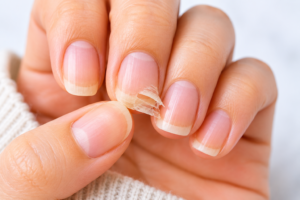
Healthy fingernails are generally smooth, strong, and evenly colored. However, some people notice that their nails begin peeling, splitting, or separating into thin layers. This condition can make nails look rough, weak, and damaged. It may also cause them to break easily during everyday activities.
Fingernails peeling in layers is a common nail concern that can affect people of different ages. It is often associated with repeated exposure to water, frequent handwashing, harsh cleaning products, nail polish removers, and physical damage. In some cases, nutritional deficiencies, skin conditions, or underlying health problems may also contribute to nail changes.
The medical term for nail peeling is onychoschizia. It usually affects the free edge of the nail, where thin layers begin separating from one another.
The good news is that many cases of peeling nails can improve with gentle nail care, regular moisturizing, and protection from environmental damage. Understanding the cause can help you choose the right treatment and prevent the problem from returning.
In this guide, you will learn why fingernails peel in layers, which treatments may help, what habits to avoid, and how to maintain stronger, healthier-looking nails.
What Does It Mean When Fingernails Peel in Layers?
Peeling nails occur when the layers that make up the nail plate begin separating. Instead of remaining smooth and firmly connected, the outer layers become thin and start lifting away.
This problem commonly affects the tips of fingernails, although some people may notice peeling across a larger portion of the nail.
Common signs include:
- Thin layers of nail lifting or flaking.
- Fingertips that feel rough or uneven.
- Nails breaking more easily than usual.
- Horizontal splitting near the nail tips.
- Nails that look dry, brittle, or damaged.
- Difficulty growing nails to a longer length.
- any activity that presses on the nail
Peeling nails are not always a sign of a serious medical condition. However, persistent peeling, especially when accompanied by pain, discoloration, or changes in nail shape, deserves medical attention.
If you can’t attribute your peeling nails to an external or internal cause, one way to tell the difference is to compare your toenails and fingernails.
If your fingernails are peeling but your toenails aren’t (or vice versa), this signals an external cause.
If both your fingernails and toenails are peeling, this signals an internal cause.
Internal causes can vary, but sometimes dry, peeling nails can indicate a vitamin deficiency, typically an iron deficiency.
Main Causes of Fingernails Peeling in Layers
There are several possible reasons why fingernails become weak and begin separating into layers. Identifying the main trigger is important for choosing an effective treatment.
Youtube Video
1. Frequent Exposure to Water
Repeated contact with water is one of the most common causes of peeling nails.
Nails absorb water and expand when wet. As they dry, they contract again. Repeated cycles of expansion and contraction can weaken the connections between nail layers.
People who wash dishes, clean frequently, swim regularly, or wash their hands many times throughout the day may experience this problem.
Using protective gloves during household chores and applying moisturizer after washing can help reduce damage.
2. Excessive Handwashing
Frequent handwashing is important for hygiene, but excessive exposure to soap and water can remove natural oils from the skin and surrounding nail area.
Some soaps and cleansers may also contribute to dryness, particularly when they contain strong detergents or fragrances.
When nails and cuticles become dry, the nail edges may become more vulnerable to splitting and peeling.
Choose a gentle hand cleanser and apply a moisturizing hand cream after washing.
3. Nail Polish Remover and Acetone
Acetone-based nail polish removers can contribute to nail dryness.
Using these products frequently may make nails feel rough, brittle, and more likely to peel.
Repeatedly removing and reapplying nail polish can also expose nails to additional chemical and physical stress.
Consider using an acetone-free remover when appropriate and give your natural nails occasional breaks from polish.
4. Gel Manicures and Acrylic Nails
Gel manicures and acrylic nail extensions can sometimes damage the natural nail plate.
The preparation, filing, application, and removal processes may weaken the nail surface, particularly when performed aggressively.
Peeling can become more noticeable after removing gel polish or artificial extensions.
To protect your natural nails:
- Avoid peeling off gel polish yourself.
- Do not scrape or aggressively file the nail surface.
- Choose an experienced nail technician.
- Follow appropriate removal instructions.
- Allow damaged nails time to grow out.
If your nails become painful or noticeably thinner, consider taking a break from artificial nail treatments.
5. Nutritional Deficiencies
Nail health can be influenced by overall nutrition.
Inadequate intake or absorption of certain nutrients may contribute to brittle or weak nails.
Nutrients associated with normal nail growth include:
- Iron.
- Protein.
- Zinc.
- Vitamin B12.
- Folate.
Iron deficiency, for example, may contribute to nail abnormalities in some people.
However, peeling nails alone do not confirm a nutritional deficiency. A healthcare professional can recommend appropriate testing if other symptoms or risk factors are present.
6. Physical Nail Damage
Everyday activities can gradually damage the nail plate.
Using fingernails to open packages, scratch surfaces, remove stickers, or perform other repetitive tasks may cause small injuries.
Biting nails, picking at the edges, and repeatedly filing the nail surface can also increase the risk of peeling.
Keeping nails at a comfortable length and avoiding unnecessary pressure can help protect them.
7. Dry Skin and Cuticle Damage
Dryness around the nails can make the surrounding skin uncomfortable and contribute to rough nail edges.
The cuticle helps protect the area where the nail grows. Cutting or damaging it excessively may increase irritation and infection risk.
Regular moisturizing with a gentle hand cream or cuticle oil can help maintain the skin around the nails.
8. Skin Conditions
Certain skin conditions can affect nail growth and appearance.
For example, psoriasis may cause nail pitting, thickening, discoloration, or separation of the nail from its nail bed.
Eczema can also affect the skin around the nails and contribute to irritation and nail damage.
If peeling occurs alongside skin rashes, itching, swelling, or unusual nail changes, a dermatologist can help determine the cause.
9. Thyroid Problems and Other Health Conditions
Some medical conditions may affect nail growth and strength.
Thyroid disorders, particularly an underactive thyroid, can sometimes be associated with dry, brittle nails.
Other health conditions may also influence nail appearance through changes in circulation, nutrition, or overall health.
Persistent nail changes should not automatically be attributed to aging or dryness. A medical evaluation can help identify possible underlying causes.