
Why Does My Skin Look Older Than My Age? Causes & What You Can Do
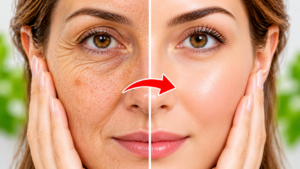
Have you ever looked in the mirror and felt that your skin looks older than your actual age? You may notice more fine lines, uneven skin tone, dryness, a softer jawline, or changes in your facial appearance.
Looking older than your age does not always mean you have more wrinkles. Several factors, including sun exposure, dehydration, lifestyle habits, pigmentation, and natural changes in skin structure, can affect how your face looks.
The good news is that understanding these changes can help you choose the right skincare routine and treatments.
In this article, we will explore why your skin may look older than your age, common causes, and practical ways to maintain healthier, younger-looking skin.
1. Why Does My Skin Look Older Than My Age?
Your skin changes naturally over time. However, some people notice visible signs of ageing earlier than others.
This can happen because of genetics, sun exposure, lifestyle habits, and changes in skin hydration and collagen.
Some common signs include:
- Fine lines around the eyes and mouth
- Uneven skin tone and dark spots
- Dry or rough skin texture
- Loss of skin firmness
- A less defined jawline
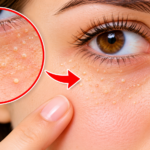
- Enlarged-looking pores
- Dull or tired-looking skin
- Changes in facial contours
Not everyone experiences these changes at the same age. Your skin type, environment, and daily habits can all influence your appearance.
Youtube Video
2. Common Causes of Skin Looking Older Than Your Age
Understanding the causes of premature skin ageing is the first step toward improving your skin.
1. Sun Exposure
Sun exposure is one of the major causes of premature skin ageing.
Ultraviolet (UV) rays can damage collagen and elastin, which help keep your skin firm and flexible.
Repeated sun exposure may contribute to:
- Fine lines and wrinkles
- Dark spots and pigmentation
- Uneven skin tone
- Rough skin texture
- Reduced skin firmness
Protecting your skin from the sun is one of the most important steps in preventing premature ageing.
2. Loss of Collagen and Elastin
Collagen and elastin are proteins that support your skin’s structure.
As you get older, your body gradually produces less collagen and elastin. This can make the skin less firm and more likely to develop wrinkles.
You may notice that your cheeks look less full or your jawline becomes less defined.
Although collagen loss is a natural process, protecting your skin from UV damage and following a healthy skincare routine can help maintain skin quality.
3. Dry and Dehydrated Skin
Dehydrated skin can make you look older because fine lines and wrinkles may become more noticeable.
When your skin lacks moisture, it may look dull, rough, and less smooth. Makeup may also settle into fine lines.
Common signs of dehydrated skin include:
- Tightness after washing your face
- Flaky or rough patches
- Fine lines that look more noticeable
- Dull complexion
- Increased skin sensitivity
Using a suitable moisturizer and gentle cleanser can help improve hydration and support your skin barrier.
4. Poor Sleep Habits
Your body uses sleep to support normal repair and recovery processes.
Regularly getting insufficient sleep may affect your skin’s appearance and make your face look tired.
You may notice puffiness around the eyes, dark circles, and a dull complexion.
Try to maintain a consistent sleep schedule and aim for around seven to nine hours of sleep each night if you are an adult.
5. Smoking and Alcohol Consumption
Smoking can contribute to premature skin ageing by damaging collagen and affecting blood circulation.
It may increase the appearance of wrinkles, particularly around the mouth and eyes.
Excessive alcohol consumption can also contribute to dehydration and affect overall health.
Avoiding smoking and limiting alcohol can support healthier skin and general well-being.
6. Stress and Lifestyle Changes
Long-term stress can affect sleep, daily habits, and overall health.
Some people notice that their skin looks duller or more tired during stressful periods.
Managing stress through regular physical activity, relaxation, and healthy daily routines may support overall skin health.
7. Changes in Facial Volume
Age-related changes do not only affect the surface of your skin.
Changes in facial fat distribution and underlying tissues can affect the appearance of your cheeks, chin, and jawline.
This may create a softer facial contour or make certain areas look less full.
These changes are different from surface wrinkles and may require a different approach if you want to address them.
3. How to Make Your Skin Look Younger Naturally
You do not need an expensive skincare routine to support healthy-looking skin.
Simple daily habits can make a difference over time.
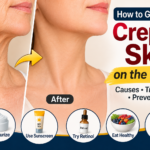
1. Use Sunscreen Every Day
Daily sunscreen is one of the best ways to protect your skin from premature ageing.
Choose a broad-spectrum sunscreen with SPF 30 or higher.
Apply it every morning and reapply according to the product instructions, especially when spending time outdoors.
2. Keep Your Skin Hydrated
A good moisturizer helps maintain skin hydration and supports the skin barrier.
Look for ingredients such as:
- Hyaluronic acid
- Glycerin
- Ceramides
- Niacinamide
Choose products according to your skin type and avoid ingredients that cause irritation.
3. Add Vitamin C to Your Skincare Routine
Vitamin C is an antioxidant that helps protect the skin against environmental oxidative stress.
Topical vitamin C may also help improve the appearance of uneven pigmentation and support a brighter-looking complexion.
Use a suitable vitamin C serum according to its instructions. Start slowly if you have sensitive skin.
4. Consider Retinol
Retinol is a vitamin A derivative commonly used in anti-ageing skincare.
It can help improve the appearance of fine lines, uneven texture, and some signs of sun damage.
Start with a low-strength product and introduce it gradually because retinol can cause dryness and irritation.
Avoid retinoids during pregnancy unless specifically advised by a healthcare professional.
5. Eat a Balanced Diet
Healthy eating supports your overall health and provides nutrients needed for normal skin function.
Include foods such as:
- Berries and oranges
- Leafy green vegetables
- Nuts and seeds
- Eggs
- Fish
- Whole grains
A balanced diet can support skin health, although no single food can reverse ageing.
6. Get Enough Sleep
Sleep is important for normal body recovery and skin health.
Try to sleep seven to nine hours each night and maintain a regular bedtime.
Good sleep habits may help reduce the tired appearance that can make your face look older.
4. Professional Treatments That May Improve Signs of Ageing
If skincare products are not addressing your main concerns, professional treatments may be worth discussing with a qualified dermatologist or appropriately trained healthcare professional.
The right treatment depends on whether your concern involves pigmentation, texture, wrinkles, or reduced firmness.
1. Chemical Peels
Chemical peels use specific acids to exfoliate the outer layers of the skin.
Depending on the type and strength, they may help improve:
- Uneven skin tone
- Certain types of pigmentation
- Fine lines
- Rough skin texture
Treatment suitability and recovery time depend on your skin type and the peel used.
2. Microneedling
Microneedling uses small needles to create controlled micro-injuries in the skin.
This process stimulates the skin’s natural healing response and may help improve certain types of acne scars, fine lines, and uneven texture.
Results vary, and multiple sessions may be needed.
3. Laser Treatments
Some laser treatments can help address pigmentation, sun damage, wrinkles, and skin texture.
Different lasers target different concerns, so professional assessment is important before choosing a procedure.
4. Radiofrequency Treatments
Radiofrequency treatments use energy to heat deeper skin tissues.
Some treatments are designed to improve the appearance of mild skin laxity by stimulating collagen production.
Results are not immediate and vary between individuals.
5. Professional Skin Rejuvenation
Depending on your skin concerns, a professional may recommend a combination of skincare and cosmetic treatments.
However, more treatments do not always mean better results. A suitable plan should focus on your main concerns, skin type, and treatment safety.
5. How to Prevent Premature Skin Ageing
Although you cannot stop natural ageing, certain habits can help protect your skin.
Follow these simple tips:
- Apply sunscreen every morning.
- Avoid smoking.
- Maintain a healthy and balanced diet.
- Drink enough water throughout the day.
- Get sufficient sleep.
- Use a gentle cleanser.
- Moisturize your skin regularly.
- Avoid excessive exfoliation.
- Choose skincare products suitable for your skin type.
- Follow a consistent skincare routine.
Small daily habits can support healthier skin over time.
6. When Should You Consult a Dermatologist?
If your skin changes suddenly or you develop persistent irritation, redness, unusual pigmentation, or other unexplained symptoms, consider consulting a dermatologist.
You should also seek professional advice if:
- Your skin becomes unusually sensitive.
- Dark spots change in size, shape, or colour.
- You experience persistent dryness or irritation.
- Your skincare routine is causing burning or peeling.
- You want to explore professional anti-ageing treatments.
A dermatologist can assess your skin and recommend suitable options.
7. Frequently Asked Questions (FAQs)
1. Why does my face look older than my actual age?
Your face may look older due to sun exposure, collagen loss, dehydration, genetics, smoking, and lifestyle habits. Changes in pigmentation, texture, and facial volume can also affect your appearance.
2. Can dehydration make you look older?
Yes. Dehydrated skin may look dull and make fine lines more noticeable. Using a suitable moisturizer can help improve skin hydration.
3. What is the best skincare ingredient for premature ageing?
There is no single best ingredient for everyone. Sunscreen, retinoids, vitamin C, niacinamide, and hyaluronic acid can help address different skin concerns.
4. Can sunscreen prevent premature ageing?
Yes. Regular use of broad-spectrum sunscreen helps protect your skin from UV damage, which is a major contributor to premature skin ageing.
5. At what age does skin start ageing?
Skin ageing is a gradual process that can begin in early adulthood. Visible changes vary depending on genetics, sun exposure, lifestyle, and individual skin characteristics.
6. Can I make my skin look younger naturally?
You can support healthier-looking skin through sun protection, good sleep, balanced nutrition, regular moisturizing, and avoiding smoking. However, natural skincare cannot completely reverse structural changes caused by ageing.
Final Thoughts
If your skin looks older than your age, several factors may be responsible. Sun exposure, collagen loss, dehydration, poor sleep, and lifestyle habits can all influence how your face looks.
The best approach is to understand what has changed instead of immediately choosing an expensive treatment.
Start with simple skincare habits, protect your skin from the sun, maintain hydration, and choose products suitable for your skin type.
If you have persistent concerns, a dermatologist can help you understand your skin and recommend appropriate treatments.