
Should You Remove Whiteheads on Your Nose?
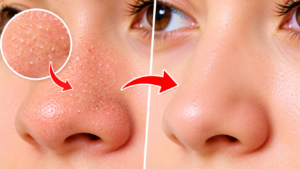
Whiteheads on the nose are a common skin concern. They appear as small white or skin-colored bumps that can make your nose look rough or uneven. Many people try to squeeze or pop these bumps because they want smooth and clear skin. However, removing whiteheads the wrong way can irritate the skin and sometimes cause infection or scarring.
So, should you remove whiteheads on your nose or leave them alone? The answer depends on what is causing them and how you treat your skin.
In this article, we will explain the common causes of nose whiteheads, whether you should remove them, and the safest ways to get rid of them.
What Are Whiteheads on the Nose?
Whiteheads are closed comedones. Unlike blackheads, which sit in open pores and oxidise to look dark, whiteheads form when a pore becomes blocked by oil and dead skin cells and remains covered by a thin layer of skin. This creates a small, raised, white or flesh-coloured bump. The nose is particularly prone because the T-zone houses more sebaceous glands, producing higher levels of sebum that mix easily with dead skin cells and leftover product residue.
Should You Remove Whiteheads on Your Nose?
You should avoid squeezing or popping whiteheads with your fingernails. Although squeezing may remove some material from the pore, it can also push bacteria and inflammation deeper into the skin.
This may lead to:
- Redness and skin irritation
- Swelling around the pore
- Acne breakouts
- Skin infection
- Dark spots or acne scars
If a whitehead is small and does not cause discomfort, it is usually better to leave it alone and follow a gentle skincare routine.
If you want to remove stubborn whiteheads, a dermatologist can recommend suitable treatments or perform professional extraction when appropriate.
Whitehead Nose Video
What Causes Whiteheads on the Nose?
Several factors can contribute to whiteheads on the nose.
1. Excess Oil Production
Your skin naturally produces oil called sebum. When your oil glands produce too much sebum, it can mix with dead skin cells and block pores.
The nose often produces more oil than other facial areas, making it more likely to develop clogged pores.
2. Dead Skin Cell Buildup
Your skin naturally sheds dead cells. However, when these cells build up inside pores, they can mix with oil and create whiteheads.
Regular gentle exfoliation can help prevent this buildup.
3. Using Heavy Skincare Products
Some thick creams, makeup products, and oily skincare formulas may clog pores, especially if they are not suitable for your skin type.
Choose products labeled non-comedogenic, which means they are designed not to clog pores.
4. Hormonal Changes
Hormonal changes can increase oil production. This is why some people experience more whiteheads during puberty, menstruation, pregnancy, or periods of hormonal fluctuation.
5. Poor Skincare Habits
Not removing makeup before sleeping, using harsh cleansers, or frequently touching your face can contribute to clogged pores and irritation.
How to Get Rid of Whiteheads on Your Nose Safely
You do not need to squeeze your nose to remove whiteheads. Several skincare treatments can help clear clogged pores and improve your skin.
1. Use a Salicylic Acid Cleanser
Salicylic acid is a popular ingredient for treating clogged pores and acne. It helps exfoliate inside the pores and remove excess oil and dead skin cells.
Start with a low-strength product and use it according to the product instructions. If your skin becomes dry or irritated, reduce how often you use it.
2. Try a Retinoid
Retinoids, such as adapalene, help increase skin cell turnover and prevent clogged pores.
They can be helpful for people who regularly develop whiteheads on their nose.
Start slowly because retinoids may cause dryness, redness, and peeling. Avoid using topical retinoids during pregnancy unless specifically advised by a healthcare professional.
3. Wash Your Face Gently
Wash your face twice daily with a mild cleanser. Avoid scrubbing your nose aggressively because this can damage the skin barrier and make irritation worse.
Use lukewarm water instead of very hot water.
4. Use a Lightweight Moisturizer
Even oily and acne-prone skin needs moisture. Choose a lightweight, non-comedogenic moisturizer to keep your skin hydrated.
A healthy skin barrier can also help reduce irritation from acne treatments.
5. Apply Sunscreen Every Day
Use a broad-spectrum SPF 30 or higher sunscreen every morning. Sun exposure can make dark spots left after acne more noticeable.
Choose an oil-free or non-comedogenic formula if your skin is oily.
Can You Remove Whiteheads at Home?
You can improve whiteheads at home with a consistent skincare routine, but squeezing them is not recommended.
Here are some simple habits that may help:
- Clean your face gently every morning and evening.
- Avoid picking or scratching your nose.
- Use non-comedogenic skincare and makeup products.
- Change your pillowcase regularly.
- Remove makeup before going to bed.
- Avoid harsh scrubs and irritating home remedies.
- Give acne treatments enough time to work.
Avoid using lemon juice, toothpaste, baking soda, or rough exfoliating tools on your nose. These methods can irritate your skin and make the problem worse.
Whiteheads vs. Sebaceous Filaments: What Is the Difference?
Not every tiny white bump on your nose is a whitehead. Some bumps are actually sebaceous filaments.
Sebaceous filaments are normal structures inside your pores that help move natural oil to the skin’s surface. They often appear as tiny white, gray, or yellowish dots.
Whiteheads are clogged pores that create small raised bumps.
Here is a simple comparison:
| Feature | Whiteheads | Sebaceous Filaments |
|---|---|---|
| Appearance | Small white bumps | Tiny dots |
| Cause | Blocked pores | Normal oil flow |
| Texture | Often raised | Usually flat |
| Treatment | Acne skincare | Gentle skincare |
| Can they return? | Yes | Yes, naturally |
It is important to understand the difference because sebaceous filaments are normal and do not need to be removed.
How Long Does It Take to Get Rid of Nose Whiteheads?
The time needed to improve whiteheads depends on your skin type, the severity of clogged pores, and the treatment you use.
Some people notice improvement within a few weeks, while others may need several weeks or longer.
Salicylic acid and retinoids work gradually. Using too many products at once will not necessarily make whiteheads disappear faster.
Be patient and follow a consistent skincare routine.
When Should You See a Dermatologist?
Most mild whiteheads can be managed with regular skincare. However, you should consider seeing a dermatologist if:
- Whiteheads continue to appear despite treatment.
- Your nose develops painful or swollen bumps.
- You notice severe redness or signs of infection.
- Acne is leaving dark spots or scars.
- Over-the-counter treatments are not helping.
A dermatologist can identify the type of bumps and recommend suitable treatment for your skin.
Frequently Asked Questions (FAQs)
1. Should I squeeze whiteheads on my nose?
No. Squeezing whiteheads can cause irritation, inflammation, infection, and scarring. It is better to use suitable acne treatments.
2. What is the fastest way to remove whiteheads from the nose?
Salicylic acid can help unclog pores and improve whiteheads. However, results take time, and there is no guaranteed overnight solution.
3. Does washing your face remove whiteheads?
Washing your face helps remove excess oil, dirt, and makeup, but it may not remove existing whiteheads completely. Acne-specific ingredients may be needed.
4. Can whiteheads on the nose go away naturally?
Yes. Some whiteheads may clear naturally as the skin sheds dead cells. Gentle skincare can help prevent new clogged pores.
5. Is salicylic acid good for nose whiteheads?
Yes. Salicylic acid can help exfoliate inside clogged pores and reduce the buildup that contributes to whiteheads.
6. Why do I keep getting whiteheads on my nose?
Excess oil, dead skin cell buildup, hormonal changes, and pore-clogging skincare products can contribute to recurring whiteheads.
Final Thoughts
Whiteheads on the nose are a common, treatable form of closed comedone driven by excess sebum, dead skin and clogged pores. By focusing on gentle cleansing, smart use of salicylic acid and niacinamide, consistent moisturising and avoiding common pitfalls, you can noticeably reduce congestion and keep your T-zone clearer. Patience and consistency are your best allies — clear, smoother skin is very much achievable.