
Causes of Dark Spots on the Skin and How to Treat Them: Effective Removal and Prevention Tips
Dark spots on the skin are a common concern that can affect people of different ages and skin types. They may appear on the face, hands, neck, shoulders, back, and other areas of the body. Although most dark spots are harmless, they can make the skin look uneven and cause cosmetic concerns.
Dark spots usually develop when the skin produces excess melanin, the natural pigment responsible for skin color. This condition is medically known as hyperpigmentation. Several factors can contribute to it, including sun exposure, hormonal changes, acne, inflammation, aging, and certain medications.
The good news is that various skincare treatments and dermatologist-recommended procedures can help reduce the appearance of dark spots. Understanding their causes is the first step toward choosing the right treatment and preventing new discoloration.
In this guide, you will learn about the common symptoms, causes, removal methods, home remedies, diagnosis, risk factors, and prevention tips for dark spots on the skin.
What Are Dark Spots on the Skin?
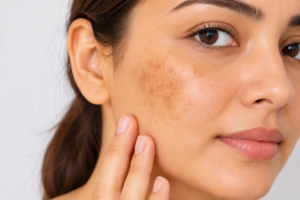
Dark spots are areas of skin that appear darker than the surrounding skin. They develop when melanin accumulates in certain areas, creating patches or small spots of discoloration.
The medical term for this condition is hyperpigmentation. Depending on the underlying cause, dark spots may be called age spots, sunspots, melasma, or post-inflammatory hyperpigmentation.
These spots can range from light brown to dark brown, gray, or even bluish-gray. Their appearance, size, and location may vary from person to person.
Most dark spots are not dangerous. However, a new spot or one that changes in appearance should be evaluated by a healthcare professional to rule out skin cancer.
Symptoms of Dark Spots on the Skin
The symptoms of hyperpigmentation depend on its cause and the person’s natural skin tone.
Common signs include:
- Brown, dark brown, or grayish patches on the skin.
- Small spots appearing on the face, hands, or arms.
- Uneven skin tone and discoloration.
- Dark patches around the forehead, cheeks, or upper lip.
- Dark marks remaining after acne, injuries, or insect bites.
- Larger areas of discoloration following hormonal changes.
Dark spots caused by sun exposure usually develop on areas that receive frequent sunlight, including the face, shoulders, hands, and arms.
Post-inflammatory hyperpigmentation often appears where the skin previously experienced acne, eczema, irritation, or an injury.
Some dark spots gradually fade without treatment, while others may remain visible for months or years.
Youtube Video
Main Causes of Dark Spots on the Skin
There is no single cause of hyperpigmentation. Several environmental, hormonal, medical, and lifestyle factors can influence melanin production.
1. Sun Exposure and UV Damage
Excessive sun exposure is one of the leading causes of dark spots. Ultraviolet (UV) radiation stimulates the skin to produce more melanin as a protective response.
Over time, repeated sun exposure can cause brown spots to develop on the face, hands, shoulders, and other exposed areas.
These marks are commonly known as sunspots or age spots. They are particularly common in adults who have spent many years outdoors without adequate sun protection.
2. Hormonal Changes
Hormonal fluctuations can trigger a type of hyperpigmentation called melasma.
Melasma often appears as brown or gray-brown patches on the cheeks, forehead, nose, chin, and upper lip.
It is more common during pregnancy and may also develop in people using certain hormonal medications, including birth control pills.
Sun exposure can make melasma more noticeable, so daily sunscreen is particularly important for managing this condition.
3. Acne and Skin Inflammation
Acne is another common reason for dark marks on the skin.
When a pimple becomes inflamed, the skin may produce additional melanin during the healing process. This can leave a brown or dark mark even after the acne has disappeared.
This condition is called post-inflammatory hyperpigmentation (PIH).
Other inflammatory skin conditions, such as eczema and psoriasis, can also contribute to discoloration.
4. Certain Medications
Some medications can increase skin pigmentation or make the skin more sensitive to sunlight.
Examples include:
- Certain anti-inflammatory medications.
- Some chemotherapy drugs.
- Antimalarial medications.
- Certain anticonvulsants.
- Some hormonal medications.
Not everyone taking these medications develops dark spots. If pigmentation appears after starting a new medicine, consult your healthcare provider rather than stopping the medication yourself.
5. Aging
As people get older, years of accumulated sun exposure and natural skin changes can contribute to visible pigmentation.
Age spots commonly appear on the face, hands, arms, and shoulders.
They are generally flat and brown, although other skin conditions can look similar. A dermatologist can confirm whether a spot is an age spot or something requiring further examination.
6. Skin Injuries and Wound Healing
Cuts, burns, insect bites, and other skin injuries may leave dark marks after healing.
This happens because inflammation can stimulate melanin production in the affected area.
These marks often fade gradually, although deeper discoloration may take longer to improve.
7. Irritating Skincare Products
Some skincare and haircare products contain ingredients that irritate sensitive skin.
Frequent irritation can trigger inflammation and eventually contribute to hyperpigmentation.
Using too many active ingredients, harsh exfoliants, or unsuitable products may increase this risk.
Choosing gentle skincare products and introducing new ingredients slowly can help protect the skin barrier.
8. Diabetes-Related Skin Changes
Certain skin conditions are associated with diabetes and may cause darker areas of skin.
One example is acanthosis nigricans, which creates darker, thicker, velvety patches, often around the neck, armpits, and groin.
Other conditions, such as diabetic dermopathy, may cause brownish patches on the lower legs.
If you notice unexplained darkening, particularly around skin folds, discuss it with a healthcare professional.
9. Possible Skin Cancer
Although most dark spots are harmless, some unusual or changing pigmented spots may indicate melanoma, a type of skin cancer.
Warning signs include:
- An asymmetrical shape.
- Uneven or irregular borders.
- Different colors within the same spot.
- A spot that is changing in size or appearance.
- A spot that looks noticeably different from other moles.
Any suspicious spot should be examined by a dermatologist.
How to Remove Dark Spots on the Skin
Treatment depends on the cause, depth, and location of the pigmentation. Some dark spots respond well to topical skincare products, while others may require professional procedures.
A dermatologist can recommend an appropriate treatment plan based on your skin type and condition.
1. Vitamin C Serum
Vitamin C is an antioxidant commonly used in skincare products designed to improve uneven skin tone.
It can help reduce oxidative stress and support a brighter-looking complexion. Regular use may gradually improve the appearance of certain types of discoloration.
Apply a suitable vitamin C serum according to the product instructions. During the daytime, follow it with a broad-spectrum sunscreen.
2. Retinol and Retinoids
Retinol is a vitamin A derivative that supports skin cell turnover.
It may help improve the appearance of dark marks, uneven skin texture, and certain signs of aging.
However, retinol can cause dryness, redness, and irritation, particularly when someone starts using it.
Begin with a low-strength product and use it gradually. Avoid using retinoids during pregnancy unless specifically advised by a qualified healthcare professional.
3. Azelaic Acid
Azelaic acid is a skincare ingredient that may help improve acne-related discoloration and uneven skin tone.
It also has properties that can help manage acne, making it useful for people who experience both breakouts and dark marks.
It is generally considered a useful option for several skin types, although irritation is still possible.
4. Niacinamide
Niacinamide, also known as vitamin B3, is a popular ingredient in skincare products.
It may help reduce the transfer of pigment within the skin and improve the appearance of uneven skin tone.
Niacinamide can also support the skin barrier and help maintain moisture.
5. Hydroquinone
Hydroquinone is a skin-lightening ingredient used to treat certain forms of hyperpigmentation.
It works by reducing melanin production in the skin. Dermatologists may recommend it for conditions such as melasma and other pigmentation problems.
However, it should be used under appropriate medical guidance because prolonged or improper use can cause unwanted side effects.
Professional Treatments for Dark Spots
If skincare products do not provide sufficient improvement, a dermatologist may recommend professional procedures.
Microdermabrasion
Microdermabrasion is a cosmetic procedure that gently exfoliates the outermost layer of the skin using a specialized device.
It may improve mild pigmentation and uneven skin texture.
Several sessions may be necessary, and results depend on the type and depth of discoloration.
Chemical Peels
Chemical peels use specially formulated acids to remove damaged outer skin cells and encourage new skin growth.
Depending on the formulation and strength, they may help improve sunspots, acne marks, and certain types of hyperpigmentation.
Professional advice is important because unsuitable or overly strong peels can worsen pigmentation, particularly in darker skin tones.
Laser Treatment
Laser procedures use concentrated light energy to target unwanted pigment in the skin.
They may help treat certain sunspots and other forms of pigmentation.
However, laser treatments are not suitable for everyone. Some lasers can cause burns, irritation, or additional discoloration if the wrong treatment is selected.
Always consult a dermatologist experienced in treating pigmentation across different skin tones.
Cryotherapy
Cryotherapy involves applying extremely cold liquid nitrogen to selected pigmented spots.
It is sometimes used to remove individual age spots or sunspots.
The treated area may temporarily become red, swollen, or blistered. Changes in skin color can also occur after treatment.
Prescription Skin-Lightening Creams
A dermatologist may prescribe creams containing ingredients such as hydroquinone or retinoids.
Some prescription treatments combine multiple active ingredients to address stubborn pigmentation.
Treatment can take several weeks or months, depending on the condition and the response of the skin.
Home Remedies for Dark Spots
Some people prefer simple skincare approaches at home. Although natural ingredients are not guaranteed to remove pigmentation, certain products may support a healthy skincare routine.
1. Aloe Vera
Aloe vera contains plant compounds that have been studied for their potential skin benefits.
Some preliminary research suggests that aloe-derived compounds may influence pigmentation. However, stronger clinical evidence is still needed.
If you want to try aloe vera, choose a gentle, fragrance-free product and perform a patch test first.
2. Licorice Root Extract
Licorice root extract is used in several skincare products designed for uneven skin tone.
Certain compounds in licorice may help influence melanin production and reduce the appearance of discoloration.
Look for a properly formulated skincare product rather than applying concentrated plant extracts directly to your face.
3. Turmeric-Based Skincare
Turmeric contains curcumin, a compound known for its antioxidant and anti-inflammatory properties.
Some research has explored its potential benefits for skin health and pigmentation, but evidence remains limited.
If you use a turmeric-based skincare product, choose a product formulated for facial skin. Turmeric can stain the skin and may cause irritation or allergic reactions in some people.
4. Gentle Moisturizing
Keeping the skin hydrated supports the skin barrier and may reduce dryness and irritation.
Choose a moisturizer containing ingredients such as:
- Ceramides.
- Glycerin.
- Hyaluronic acid.
- Panthenol.
Moisturizing does not directly remove dark spots, but it helps maintain healthier skin and supports a consistent skincare routine.
5. Daily Sunscreen
Sunscreen is one of the most important steps when managing hyperpigmentation.
Choose a broad-spectrum sunscreen with SPF 30 or higher. Apply it every morning and reapply approximately every two hours when outdoors, especially after swimming or sweating.
For melasma and visible pigmentation, a tinted sunscreen containing iron oxides may provide additional protection against visible light.
Home Remedies You Should Avoid
Not every popular natural skincare remedy is safe or effective.
Some ingredients can irritate the skin and make pigmentation worse, particularly if used frequently or in concentrated forms.
Avoid the following methods:
Lemon Juice
Lemon juice is highly acidic and can irritate facial skin.
It may also increase sensitivity to sunlight and cause skin reactions that lead to additional discoloration.
Apple Cider Vinegar
Applying undiluted apple cider vinegar to the face can cause irritation and chemical burns.
There is insufficient scientific evidence that it safely removes dark spots.
Baking Soda
Baking soda is alkaline and can interfere with the skin’s natural protective barrier.
Regular use may cause dryness, irritation, and inflammation.
Harsh Scrubs
Rough exfoliating scrubs can damage the skin, especially when used on acne-prone or sensitive areas.
Excessive exfoliation may worsen post-inflammatory hyperpigmentation.
Household Bleach
Never apply household bleach to the skin. It can cause serious chemical burns and tissue damage.
Also avoid unregulated skin-lightening creams that may contain mercury or other harmful substances.
How Are Dark Spots Diagnosed?
A dermatologist or healthcare professional can usually identify many types of hyperpigmentation by examining the affected area and reviewing your medical history.
During an appointment, the doctor may ask:
- When did the dark spots first appear?
- Have they changed in size or color?
- Do they itch, hurt, or bleed?
- Have you experienced acne, eczema, or other skin conditions?
- Are you taking any medications?
- Do you spend considerable time in the sun?
A dermatologist may also use a Wood’s lamp examination, which uses a special light to examine pigmentation.
If a spot appears suspicious, the doctor may recommend a skin biopsy. This involves taking a small sample of skin for laboratory examination.
Accurate diagnosis is important because different types of pigmentation require different treatments.
Risk Factors for Developing Dark Spots
Anyone can develop hyperpigmentation, but certain factors can increase the likelihood of developing dark marks.
Common risk factors include:
- Frequent sun exposure: UV radiation stimulates melanin production.
- Hormonal changes: Pregnancy and certain hormonal medications can contribute to melasma.
- Acne: Inflammation from breakouts can leave dark marks.
- Skin injuries: Cuts, burns, and insect bites may cause pigmentation during healing.
- Skin conditions: Eczema and psoriasis can contribute to discoloration.
- Certain medications: Some medicines can increase pigmentation or sun sensitivity.
- Aging: Accumulated sun exposure can lead to age spots.
- Skin irritation: Harsh skincare products and excessive exfoliation may trigger inflammation.
People with darker skin tones may be more likely to develop noticeable post-inflammatory hyperpigmentation after skin irritation or injury.
How to Prevent Dark Spots on the Skin
Preventing pigmentation is often easier than treating stubborn dark marks. A consistent skincare routine and sun protection can make a significant difference.
Wear Sunscreen Every Day
Use a broad-spectrum sunscreen with SPF 30 or higher, even on cloudy days.
Apply it to exposed areas, including your face, neck, hands, and arms.
Avoid Excessive Sun Exposure
Try to limit direct sunlight during peak UV hours, particularly when the sun is strongest.
Wear protective clothing, sunglasses, and a wide-brimmed hat when spending time outdoors.
Follow a Gentle Skincare Routine
Choose skincare products that suit your skin type.
Avoid aggressive exfoliation, excessive scrubbing, and products that cause burning or persistent redness.
Treat Acne Early
Managing acne can reduce the risk of post-inflammatory hyperpigmentation.
Avoid squeezing or picking pimples because this can increase inflammation and leave darker marks.
Keep Your Skin Moisturized
A suitable moisturizer helps maintain the skin barrier and reduce dryness and irritation.
Introduce Active Ingredients Gradually
If you want to use retinol, vitamin C, exfoliating acids, or other active ingredients, introduce them one at a time.
Using several strong ingredients together may irritate your skin and worsen discoloration.
When Should You See a Doctor?
Most dark spots are harmless, but certain changes require medical attention.
Contact a dermatologist if:
- A new dark spot appears suddenly.
- A spot changes in size, shape, or color.
- The edges look irregular or uneven.
- A spot develops multiple colors.
- The affected area starts bleeding or itching.
- A dark mark becomes painful or develops a sore.
- You notice unusual darkening around the neck or other skin folds.
Do not attempt to remove a suspicious mole or spot with home treatments before getting it examined.
Early evaluation is particularly important when melanoma or another skin condition is a possibility.
Frequently Asked Questions About Dark Spots on the Skin
1. What is the main cause of dark spots on the skin?
Sun exposure is one of the most common causes of dark spots. Other possible causes include hormonal changes, acne, inflammation, aging, skin injuries, and certain medications.
2. How can I remove dark spots from my face naturally?
Gentle skincare, moisturizing, and daily sunscreen can help protect the skin and support gradual improvement. Certain formulated products containing licorice root or aloe vera may also help, although scientific evidence is limited.
3. Which ingredient is best for dark spots?
Vitamin C, azelaic acid, niacinamide, retinoids, and hydroquinone are among the ingredients used to manage hyperpigmentation. The most suitable option depends on the underlying cause and skin type.
4. How long do dark spots take to fade?
Mild pigmentation may improve within several months, while deeper discoloration can take years to fade. Some spots may not disappear completely without professional treatment.
5. Can sunscreen prevent dark spots?
Yes. Daily sunscreen helps protect the skin from UV damage, reduces the risk of new sunspots, and prevents existing pigmentation from becoming darker.
6. Are dark spots on the skin dangerous?
Most dark spots are harmless. However, a spot that changes in size, shape, or color, or begins bleeding, should be examined by a dermatologist.
7. Can acne scars cause dark spots?
Yes. Acne-related inflammation can increase melanin production, leaving brown or dark marks after pimples heal. These marks are known as post-inflammatory hyperpigmentation.
8. Does vitamin C help fade dark spots?
Vitamin C may help improve uneven skin tone by providing antioxidant protection and supporting a brighter complexion. Consistent use alongside sunscreen may gradually improve the appearance of some dark marks.
Final Thoughts
Dark spots on the skin are common and can develop for several reasons, including sun exposure, hormonal changes, acne, aging, and inflammation. Although most pigmentation is harmless, understanding its underlying cause is important before choosing a treatment.
Ingredients such as vitamin C, niacinamide, azelaic acid, and retinoids may help improve uneven skin tone. Professional options, including chemical peels, microdermabrasion, and laser treatments, may also be appropriate for certain types of pigmentation.
The most important part of managing dark spots is protecting your skin from sunlight, following a gentle skincare routine, and avoiding harsh home remedies.
If a dark spot suddenly appears or changes in appearance, consult a dermatologist to make sure it is not a sign of a more serious skin condition.