

Introduction
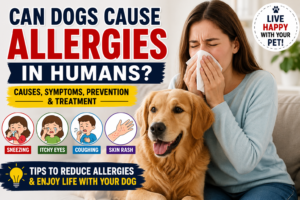
Dogs are among the most beloved pets in the world. They provide companionship, emotional support, and unconditional love to millions of families. However, for some people, spending time around dogs can trigger uncomfortable allergy symptoms such as sneezing, itchy eyes, coughing, or skin irritation.
Many people believe they are allergic to dog hair, but the real cause is more complex. Allergic reactions are usually triggered by proteins found in a dog’s skin cells, saliva, and urine—not the fur itself. These tiny allergen particles can stick to furniture, clothing, carpets, and even remain in the air for long periods.
If you or someone in your family experiences allergy symptoms around dogs, understanding the cause is the first step toward effective management.
This guide explains everything you need to know about dog allergies, including symptoms, risk factors, prevention strategies, and treatment options.
Can Dogs Cause Allergies in Humans?
The short answer is yes.
Dogs can trigger allergic reactions in sensitive individuals. However, it is important to understand that people are not usually allergic to dog fur. Instead, the immune system reacts to specific proteins found in:
- Dead skin flakes (dander)
- Saliva
- Urine
- Sweat and skin oils
When these proteins enter the body through breathing, skin contact, or the eyes, the immune system mistakenly treats them as harmful invaders. This causes the release of histamine and other chemicals, leading to allergy symptoms.
Dog allergens are extremely lightweight and can remain suspended in the air or settle on household surfaces for weeks or even months.
What Actually Causes Dog Allergies?
A dog naturally sheds microscopic skin flakes known as dander. These tiny particles contain allergenic proteins that can spread throughout your home.
Common sources of dog allergens include:
Dog Dander
The most common trigger. Dander is made up of tiny pieces of dead skin that easily become airborne.
Dog Saliva
When dogs lick their fur, saliva dries on the coat. As it flakes off, allergen particles spread into the environment.
Dog Urine
Proteins found in urine can become airborne after drying and may trigger allergic reactions.
Fur Carries Allergens
Although fur itself is not an allergen, it traps dander, pollen, dust, and mold, carrying these allergens throughout your home.
Common Symptoms of Dog Allergies
Symptoms vary from person to person. Some individuals experience mild irritation, while others develop more severe reactions.
Common symptoms include:
- Sneezing
- Runny or blocked nose
- Itchy eyes
- Watery eyes
- Red eyes
- Coughing
- Wheezing
- Shortness of breath
- Itchy skin
- Hives
- Skin rash
- Facial pressure
- Frequent throat clearing
People with asthma may notice worsening asthma symptoms after exposure to dog allergens.
Symptoms often begin within minutes but can sometimes develop several hours after exposure.
Who Is Most at Risk?
Anyone can develop allergies, but certain people have a higher risk.
Risk factors include:
- Family history of allergies
- Asthma
- Eczema
- Seasonal allergies
- Sensitive immune system
- Frequent exposure to indoor allergens
Children and adults can both develop dog allergies, even if they have lived with dogs for years without any problems.
1. Reduce Exposure to Dog Allergens
Completely avoiding dogs is not always possible, especially if they are part of your family. Fortunately, reducing allergen exposure can significantly improve symptoms.
Helpful strategies include:
- Keep dogs out of your bedroom.
- Avoid letting pets sleep on your bed.
- Wash your hands after petting your dog.
- Avoid touching your eyes or face immediately after contact.
- Change clothes after extended playtime.
Creating pet-free areas inside your home gives your immune system a chance to recover from constant allergen exposure.
2. Keep Your Home Clean
Dog allergens collect on nearly every surface in the home. Regular cleaning helps reduce allergen buildup.
Focus on cleaning:
- Carpets
- Rugs
- Curtains
- Upholstered furniture
- Bedding
- Blankets
- Pet beds
Vacuum frequently using a vacuum equipped with a HEPA filter, which captures much smaller particles than standard filters.
Hard floors should be damp-mopped regularly to remove allergens instead of simply moving them into the air.
3. Groom Your Dog Regularly
Proper grooming helps reduce loose dander and allergens on your dog’s coat.
Healthy grooming habits include:
- Brushing your dog outdoors whenever possible.
- Bathing your dog every few weeks using a veterinarian-approved shampoo.
- Cleaning paws after outdoor walks.
- Keeping ears and skin healthy.
- Maintaining a balanced diet that supports healthy skin.
Avoid excessive bathing, as it may dry out your dog’s skin and increase dander production.
4. Improve Indoor Air Quality
Since dog allergens can remain airborne for hours, improving your home’s air quality can reduce exposure.
Helpful tips include:
- Use HEPA air purifiers in bedrooms and living rooms.
- Open windows when weather permits to improve ventilation.
- Replace HVAC filters regularly.
- Keep indoor humidity between 40% and 50%.
- Dust surfaces with a damp microfiber cloth instead of dry dusting.
Cleaner indoor air benefits everyone in the household—not just allergy sufferers.
5. Wash Your Hands After Handling Your Dog
One of the simplest ways to reduce allergic reactions is to wash your hands after touching your dog. Allergens from saliva and dander can easily transfer from your hands to your eyes, nose, or mouth, triggering symptoms.
Best Practices
- Wash your hands with soap and water for at least 20 seconds.
- Avoid rubbing your eyes after playing with your dog.
- If washing isn’t possible, use an alcohol-based hand sanitizer until you can wash properly.
This small habit can make a noticeable difference, especially for people with mild allergies.
6. Use Allergy Medications When Needed
If lifestyle changes are not enough, over-the-counter or prescription medications may help control symptoms. Always consult a healthcare professional before starting any medication.
Common treatments include:
Antihistamines
These reduce sneezing, itching, and a runny nose by blocking histamine, the chemical responsible for allergy symptoms.
Nasal Corticosteroid Sprays
These sprays help reduce inflammation inside the nose and are often recommended for persistent nasal allergies.
Decongestants
These can temporarily relieve nasal congestion but should only be used for a short period.
Eye Drops
Medicated eye drops can reduce redness, watering, and itching caused by dog allergens.
7. Consider Allergy Immunotherapy
For people with severe or long-term dog allergies, allergy shots (immunotherapy) may be recommended.
During immunotherapy, small amounts of the allergen are introduced into the body over time. This helps the immune system become less sensitive.
Benefits
- Reduces allergy symptoms over time
- May decrease the need for medication
- Provides long-term relief for some people
Treatment usually takes several months to years and should only be supervised by an allergy specialist.
8. Choose the Right Dog Breed
No dog breed is completely hypoallergenic, but some breeds produce fewer allergens or shed less than others.
Examples often recommended for allergy sufferers include:
- Poodle
- Bichon Frise
- Maltese
- Portuguese Water Dog
- Schnauzer
- Yorkshire Terrier
Even these breeds can still trigger allergies, so spending time with a dog before adopting is a good idea.
How Are Dog Allergies Diagnosed?
If you suspect a dog allergy, consult an allergist or healthcare provider.
Diagnosis may include:
Skin Prick Test
A tiny amount of dog allergen is placed on the skin. If a raised bump develops, it suggests an allergy.
Blood Test
A blood sample measures allergy-related antibodies (IgE) to determine sensitivity.
Your doctor may also ask about:
- Your symptoms
- Family history of allergies
- When symptoms occur
- Exposure to pets
A proper diagnosis helps identify whether dogs or another allergen is responsible.
Natural Ways to Reduce Dog Allergy Symptoms
While natural remedies cannot cure allergies, they may help support symptom management.
Some helpful habits include:
- Drink plenty of water.
- Use saline nasal rinses.
- Keep your home well ventilated.
- Wash bedding weekly.
- Vacuum frequently with a HEPA-filter vacuum.
- Replace air filters regularly.
- Brush your dog outdoors.
These practices work best alongside medical advice rather than as a replacement for treatment.
Myths About Dog Allergies
Myth 1: Dog Hair Causes Allergies
Fact: Dog hair itself is not the allergen. The proteins found in dander, saliva, and urine are responsible for most allergic reactions.
Myth 2: Hypoallergenic Dogs Are Completely Allergy-Free
Fact: No dog is 100% hypoallergenic. Some breeds simply produce fewer allergens or shed less.
Myth 3: Allergies Only Affect Children
Fact: Adults can develop dog allergies at any stage of life, even if they previously lived comfortably with pets.
Myth 4: Getting Rid of the Dog Is Always Necessary
Fact: Many people successfully manage dog allergies through cleaning, air filtration, grooming, and medical treatment without rehoming their pet.
Tips to Prevent Dog Allergies from Getting Worse
Follow these habits to minimize allergen exposure:
- Keep your dog clean and well-groomed.
- Vacuum and dust regularly.
- Use HEPA air purifiers.
- Wash pet bedding every week.
- Avoid allowing your dog on beds and sofas if symptoms are severe.
- Change HVAC filters regularly.
- Maintain good indoor ventilation.
- Follow your doctor’s treatment plan if prescribed.
Frequently Asked Questions (FAQ)
Can dog allergies develop later in life?
Yes. Some people develop allergies as adults, even after years of living with dogs.
Can dog allergies cause asthma?
Yes. Dog allergens can trigger asthma attacks or worsen existing asthma symptoms in sensitive individuals.
Is there a cure for dog allergies?
There is no guaranteed cure, but symptoms can often be controlled with allergen avoidance, medication, and immunotherapy.
Are puppies less likely to cause allergies?
No. Puppies can still produce allergenic proteins, although they may shed less dander than adult dogs.
Can air purifiers help?
Yes. HEPA air purifiers can remove many airborne allergen particles and improve indoor air quality.
Final Thoughts
Dog allergies are common, but they do not have to prevent you from enjoying life with your pet. Understanding that allergens come from dander, saliva, and urine—not the fur itself—can help you take effective steps to reduce exposure.
Regular grooming, frequent cleaning, HEPA filtration, proper hand hygiene, and medical treatment when necessary can significantly improve symptoms. For people with persistent allergies, consulting an allergist can provide a personalized treatment plan that allows them to live more comfortably with their dog.
With the right approach, many allergy sufferers can continue sharing their homes with their beloved pets while keeping symptoms under control.
SEO FAQ Schema
Q1: Can dogs cause allergies in humans?
Answer: Yes. Dogs can trigger allergies through proteins found in their dander, saliva, and urine.
Q2: What are the symptoms of dog allergies?
Answer: Common symptoms include sneezing, itchy eyes, runny nose, coughing, skin rashes, and wheezing.
Q3: Can dog allergies be treated?
Answer: Yes. Treatment may include avoiding allergens, medications, HEPA air filters, and allergy immunotherapy.
Q4: Are hypoallergenic dogs completely allergy-free?
Answer: No. No dog breed is entirely hypoallergenic, although some breeds may produce fewer allergens.
Q5: Can dog allergies develop in adults?
Answer: Yes. Dog allergies can develop at any age, even in people who previously had no symptoms.