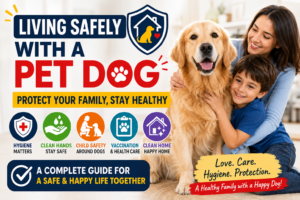

Dogs are among the most loyal and loving companions a family can have. They provide emotional support, reduce stress, encourage exercise, and bring happiness to homes around the world. However, responsible dog ownership also means maintaining proper hygiene and taking precautions to protect every family member, especially young children, older adults, and individuals with weakened immune systems.
Living with a pet dog is completely safe when you follow basic hygiene practices, regular veterinary care, and proper training. This guide explains everything you need to know about staying healthy while enjoying life with your furry friend.
Why Proper Dog Hygiene Matters
Dogs naturally carry dirt, bacteria, parasites, and allergens from outdoor environments. Most of these are harmless, but poor hygiene can increase the risk of illness.
Good hygiene helps:
- Reduce germs inside your home
- Prevent parasites
- Protect children
- Keep your dog healthy
- Reduce unpleasant odors
- Improve indoor air quality
- Lower allergy risks
Maintaining cleanliness benefits both pets and humans.
Wash Your Hands Regularly
Handwashing is one of the easiest ways to prevent disease transmission.
Always wash your hands after:
- Playing with your dog
- Cleaning waste
- Feeding your dog
- Handling toys
- Brushing fur
- Touching saliva
Use warm water and soap for at least 20 seconds.
Children should also learn proper handwashing after interacting with pets.
Keep Your Dog Vaccinated
Vaccinations protect dogs from serious diseases while reducing health risks for humans.
Essential vaccinations include:
- Rabies
- Distemper
- Parvovirus
- Adenovirus
- Leptospirosis (recommended in many areas)
Follow your veterinarian’s vaccination schedule every year.
Regular Deworming Is Essential
Dogs can carry intestinal worms that may spread to people.
Common parasites include:
- Roundworms
- Hookworms
- Tapeworms
- Whipworms
Signs your dog may need treatment include:
- Weight loss
- Diarrhea
- Vomiting
- Poor coat condition
Regular deworming every few months greatly reduces these risks.
Flea and Tick Prevention
Fleas and ticks are more than just annoying.
They can spread diseases and cause:
- Skin irritation
- Allergic reactions
- Lyme disease (in some regions)
- Tick-borne infections
Protect your dog by using:
- Flea treatments
- Tick prevention products
- Regular grooming
- Yard maintenance
Bathe Your Dog Properly
Bathing helps remove:
- Dirt
- Allergens
- Loose fur
- Bacteria
- Odors
How often?
- Every 4–8 weeks for most dogs
- More frequently if recommended by your veterinarian
Avoid overbathing because it can dry out the skin.
Brush Your Dog Frequently
Brushing provides several benefits.
It:
- Removes loose hair
- Reduces shedding
- Prevents matting
- Improves skin health
- Reduces allergens inside the home
Long-haired breeds usually require daily brushing.
Keep Dog Bedding Clean
Dog beds collect:
- Hair
- Dirt
- Saliva
- Dust mites
- Parasites
Wash bedding every 1–2 weeks using hot water.
Clean blankets and soft toys regularly.
Clean Food and Water Bowls Daily
Dirty bowls can grow harmful bacteria.
Wash bowls:
- Every day
- With warm water
- Using dish soap
Replace old plastic bowls if scratched, as bacteria hide in cracks.
Safe Waste Disposal
Dog waste contains bacteria and parasites.
Always:
- Pick up waste immediately
- Use disposable bags
- Wash hands afterward
- Keep your yard clean
Never allow children to play near dog feces.
Protect Children Around Dogs
Children love dogs, but supervision is essential.
Teach children to:
- Respect the dog’s space
- Avoid disturbing sleeping dogs
- Never pull ears or tails
- Avoid climbing on dogs
- Ask permission before petting unfamiliar dogs
Always supervise babies and toddlers around any dog, regardless of breed.
Teach Dogs Good Behavior
Training helps prevent injuries.
Basic commands include:
- Sit
- Stay
- Come
- Leave it
- Down
A well-trained dog is safer around visitors and children.
Keep Dogs Away from Kitchen Surfaces
Dogs should never:
- Jump on kitchen counters
- Lick food preparation areas
- Eat from family plates
Separate pet feeding areas from human food preparation.
Maintain Good Oral Hygiene
Dog mouths contain bacteria.
Protect everyone by:
- Brushing your dog’s teeth regularly
- Providing dental chews
- Scheduling professional dental cleanings
Avoid allowing dogs to lick open wounds or faces, especially infants.
Reduce Allergens Inside Your Home
Dog dander may trigger allergies.
Helpful tips include:
- Vacuum frequently
- Use HEPA filters
- Wash hands after petting
- Keep bedrooms pet-free if allergies are severe
Regular grooming also reduces allergens.
Trim Nails Safely
Long nails can:
- Scratch skin
- Damage floors
- Cause injuries
Trim nails every 3–6 weeks or as needed.
Regular Veterinary Checkups
Annual wellness exams detect problems early.
Veterinarians check:
- Weight
- Teeth
- Heart
- Skin
- Parasites
- Vaccination status
Healthy dogs are less likely to spread disease.
Healthy Dog Diet
Proper nutrition supports:
- Strong immunity
- Healthy skin
- Better digestion
- Longer lifespan
Feed:
- High-quality dog food
- Fresh water
- Appropriate portions
Avoid feeding toxic foods such as chocolate, grapes, onions, garlic, and xylitol-containing products.
Prevent Dogs from Roaming
Dogs that roam outdoors may encounter:
- Wild animals
- Parasites
- Diseases
- Garbage
- Toxic substances
Walk dogs on a leash and keep yards securely fenced.
Keep Dog Toys Clean
Wash toys regularly to remove:
- Dirt
- Saliva
- Bacteria
Discard damaged toys that could become choking hazards.
Pregnant Women and Dog Safety
Most pregnant women can safely live with dogs.
Important precautions include:
- Wash hands regularly
- Avoid cleaning waste without gloves
- Keep vaccinations current
- Prevent parasite infections
Consult your healthcare provider if you have concerns.
Signs Your Dog Needs Veterinary Care
Seek veterinary attention if your dog develops:
- Persistent vomiting
- Diarrhea
- Loss of appetite
- Difficulty breathing
- Excessive scratching
- Hair loss
- Fever
- Lethargy
- Seizures
Prompt treatment protects both your dog and your household.
Household Cleaning Tips
Maintain a cleaner home by:
- Vacuuming twice weekly
- Mopping floors regularly
- Washing dog blankets
- Cleaning furniture
- Sanitizing food bowls
- Grooming outdoors when possible
Consistency makes a big difference.
Common Mistakes Dog Owners Should Avoid
Avoid these habits:
- Skipping vaccinations
- Ignoring flea prevention
- Allowing dogs on kitchen counters
- Forgetting handwashing
- Not cleaning bedding
- Leaving children unsupervised
- Feeding harmful human foods
- Delaying veterinary visits
Benefits of Living with a Dog
When cared for properly, dogs offer many health benefits.
These include:
- Reduced stress
- Improved mental health
- Increased physical activity
- Better social interaction
- Emotional support
- Companionship
- Lower feelings of loneliness
Responsible ownership allows families to enjoy these benefits safely.
Frequently Asked Questions
Can dogs make humans sick?
Dogs can occasionally transmit certain infections or parasites, but the risk is low when they receive regular veterinary care and good hygiene practices are followed.
Is it safe for babies to live with dogs?
Yes. With constant adult supervision, proper dog training, vaccinations, and hygiene, babies can safely live in homes with dogs.
How often should I bathe my dog?
Most healthy dogs benefit from a bath every 4–8 weeks, depending on their breed, coat type, and lifestyle.
Should I let my dog lick my face?
It’s best to avoid allowing dogs to lick your face, especially around the eyes, nose, mouth, or any open wounds, as their saliva can contain bacteria.
How often should dog bedding be washed?
Wash your dog’s bedding at least every one to two weeks, or more often if it becomes dirty or has a strong odor.
Conclusion
Living with a pet dog is both rewarding and safe when you practice responsible pet ownership. Good hygiene, regular veterinary checkups, vaccinations, parasite prevention, proper training, and close supervision of children all contribute to a healthy environment for both pets and people. By following these simple habits, you can enjoy the companionship, loyalty, and joy that dogs bring while keeping your family protected and your home clean.