
Pimples always seem to appear at the worst possible time—before an important meeting, a wedding, a date, or a special event. While they usually aren’t dangerous, they can affect your confidence and make your skin feel sore and irritated.
The good news is that you don’t have to wait weeks for a breakout to disappear. With the right skincare routine and scientifically supported treatments, you can reduce redness, swelling, and discomfort much faster.
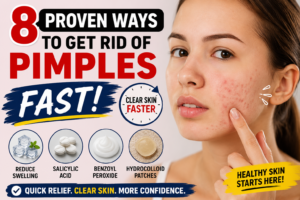
In this complete guide, you’ll learn 8 effective ways to get rid of pimples fast, understand what causes acne, and discover the best habits to prevent future breakouts.
What Is a Pimple?
A pimple is a small inflamed bump that forms when a hair follicle becomes clogged with excess oil (sebum), dead skin cells, and bacteria.
Your skin naturally produces oil to keep itself moisturized. However, when too much oil combines with dead skin cells, pores become blocked. Bacteria multiply inside the clogged pore, causing redness, swelling, and sometimes pain.
Pimples can appear on:
- Face
- Chin
- Forehead
- Nose
- Back
- Chest
- Shoulders
They range from tiny whiteheads to large, painful cystic acne.
Common Causes of Pimples
Understanding why pimples develop helps you choose the right treatment.
Some of the most common causes include:
- Excess oil production
- Hormonal changes
- Stress
- Puberty
- Certain medications
- Poor skincare habits
- Wearing heavy makeup
- Touching your face frequently
- Genetics
- High-glycemic diets
- Dairy sensitivity in some people
Not every breakout has the same cause, which is why treatment may differ from person to person.
1. Apply Ice to Reduce Swelling Quickly
If you have a red, painful pimple, ice is one of the easiest ways to calm inflammation.
Cold temperatures reduce blood flow to the affected area, helping decrease redness, swelling, and tenderness.
How to Use Ice
- Wrap an ice cube in a clean cloth.
- Hold it on the pimple for about 1 minute.
- Remove it for another minute.
- Repeat this process 3–5 times.
Never place ice directly on the skin, as it may cause irritation or minor frostbite.
Benefits
- Reduces redness
- Shrinks swelling
- Relieves pain
- Makes pimples less noticeable
Although ice won’t eliminate the pimple overnight, it can significantly improve its appearance before an important event.
2. Use a Salicylic Acid Spot Treatment
Salicylic acid is one of the most trusted acne-fighting ingredients recommended by dermatologists.
Because it is oil-soluble, it penetrates deep into clogged pores and removes excess oil, dead skin cells, and debris.
Why Salicylic Acid Works
It helps:
- Unclog pores
- Prevent new breakouts
- Reduce inflammation
- Remove excess oil
- Speed up healing
For most people, products containing 0.5% to 2% salicylic acid are effective without causing excessive dryness.
Tips
- Apply only to affected areas.
- Use once daily at first.
- Moisturize afterward.
- Wear sunscreen during the day.
If your skin becomes dry or irritated, reduce the frequency of use.
3. Try Benzoyl Peroxide for Acne-Causing Bacteria
Benzoyl peroxide is another highly effective ingredient that targets one of the main causes of acne—bacteria.
Unlike antibiotics, bacteria do not easily become resistant to benzoyl peroxide.
Benefits
- Kills acne-causing bacteria
- Reduces inflammation
- Helps prevent future pimples
- Clears clogged pores
- Controls excess oil
Most beginners should start with a 2.5% benzoyl peroxide product since it can be just as effective as stronger formulas while causing less irritation.
Important Precautions
- Start slowly.
- Avoid applying too much.
- It may bleach towels and clothing.
- Always moisturize afterward.
- Use sunscreen daily.
4. Cover the Pimple with a Hydrocolloid Patch
Hydrocolloid patches have become one of the most popular quick fixes for pimples.
These small adhesive patches absorb excess fluid from the blemish while protecting it from bacteria and touching.
Advantages
- Prevents picking
- Speeds healing
- Reduces redness
- Keeps the area clean
- Works overnight
Hydrocolloid patches are especially useful for whiteheads and pimples that have already formed a visible head.
How to Use
- Wash and dry your face.
- Apply the patch directly over the pimple.
- Leave it on for 6–12 hours.
- Replace if necessary.
Many people notice visible improvement after one night.
5. Use Sulfur Treatments for Gentle Acne Care
Sulfur has been used in skincare for decades because of its ability to absorb excess oil and help unclog pores. It is often recommended for people with sensitive or oily skin who find stronger acne ingredients too irritating.
Sulfur works by drying out excess sebum and reducing the buildup of dead skin cells that contribute to pimples. Many acne masks and spot treatments contain sulfur as an active ingredient.
Benefits of Sulfur
- Helps reduce excess oil
- Unclogs pores
- Minimizes redness
- Gentle on sensitive skin
- Supports faster healing of mild acne
For best results, apply a sulfur spot treatment according to the product instructions and avoid overusing it, as excessive application may dry out the skin.
6. Apply a Clay Face Mask
Clay masks are an excellent addition to an acne-care routine because they draw out impurities, absorb excess oil, and leave the skin feeling refreshed.
Ingredients like kaolin clay and bentonite clay help remove dirt from pores while reducing shine.
Why Clay Masks Work
- Remove excess oil
- Deep-clean pores
- Reduce inflammation
- Improve skin texture
- Help prevent future breakouts
Use a clay mask one or two times per week. Applying it too often can strip natural moisture from the skin and lead to irritation.
7. Visit a Dermatologist for a Cortisone Injection
If you develop a large, painful cystic pimple before an important event, a dermatologist may recommend a cortisone injection.
This treatment involves injecting a small amount of corticosteroid directly into the inflamed acne lesion. The medication quickly reduces swelling and inflammation.
Benefits
- Rapid reduction in swelling
- Less pain
- Faster healing
- Lower risk of scarring
Many people notice significant improvement within 24 to 48 hours. Because this procedure should only be performed by a qualified medical professional, it is generally reserved for severe or stubborn pimples.
8. Build a Daily Acne Prevention Routine
The fastest way to deal with pimples is to prevent them from forming in the first place. A consistent skincare routine helps keep pores clear and supports healthy skin over time.
A Simple Daily Routine
Morning
- Wash with a gentle cleanser.
- Apply a lightweight, non-comedogenic moisturizer.
- Wear broad-spectrum SPF 30 or higher.
Evening
- Remove makeup completely.
- Cleanse your face.
- Apply an acne treatment if needed.
- Moisturize before bed.
Consistency is more effective than using multiple harsh products.
Foods That May Help Reduce Acne
Although diet is not the only cause of acne, some eating habits may support healthier skin.
Consider including:
- Fresh vegetables
- Fruits rich in antioxidants
- Whole grains
- Fatty fish containing omega-3 fatty acids
- Nuts and seeds
- Plenty of water
Some people notice fewer breakouts when they reduce sugary foods and highly processed snacks. Individual results can vary.
Mistakes That Make Pimples Worse
Avoid these common habits that can delay healing:
- Popping or squeezing pimples
- Scrubbing the skin aggressively
- Washing your face too frequently
- Sleeping with makeup on
- Using heavy pore-clogging cosmetics
- Skipping sunscreen
- Touching your face throughout the day
Being gentle with your skin often leads to better long-term results.
Frequently Asked Questions
How can I get rid of a pimple overnight?
While no treatment can completely remove a pimple overnight, ice, hydrocolloid patches, salicylic acid, and benzoyl peroxide may noticeably reduce its size and redness by the next morning.
Is toothpaste good for pimples?
No. Toothpaste is not designed for facial skin and may cause irritation, dryness, or burns. It is better to use products specifically formulated for acne.
When should I see a dermatologist?
Consult a dermatologist if you experience:
- Severe or painful cystic acne
- Frequent breakouts
- Acne scars
- Acne that does not improve after several weeks of over-the-counter treatment
Final Thoughts
Pimples are a common skin concern, but they do not have to control your confidence. Quick treatments such as ice, salicylic acid, benzoyl peroxide, hydrocolloid patches, sulfur products, clay masks, and professional cortisone injections can help reduce the appearance of blemishes more quickly.
The best long-term strategy is to combine effective treatments with a consistent skincare routine, healthy lifestyle habits, and patience. If your acne is persistent or severe, seek advice from a qualified dermatologist for a personalized treatment plan.