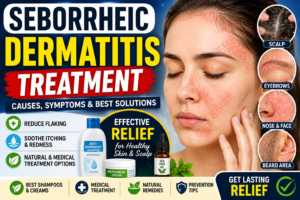

Seborrheic dermatitis is a common, long-term skin condition that mainly affects areas rich in oil-producing glands, such as the scalp, face, eyebrows, ears, chest, and upper back. It often causes redness, itching, greasy patches, and white or yellow flakes that resemble dandruff.
Although seborrheic dermatitis is not contagious, it can be frustrating because it tends to flare up repeatedly. The good news is that with the right seborrheic dermatitis treatment, most people can effectively control symptoms and keep flare-ups under control.
In this comprehensive guide, you’ll learn about the causes, symptoms, treatment options, home remedies, prevention strategies, and the best products to help manage seborrheic dermatitis.
What Is Seborrheic Dermatitis?
Seborrheic dermatitis is a chronic inflammatory skin condition linked to an overgrowth of Malassezia, a type of yeast that naturally lives on the skin. In some people, the immune system reacts to this yeast, leading to inflammation, redness, itching, and scaling.
Unlike ordinary dry skin, seborrheic dermatitis usually affects oily areas of the body and often produces greasy flakes instead of dry ones.
Common Areas Affected
Seborrheic dermatitis most commonly appears on:
- Scalp
- Hairline
- Eyebrows
- Around the nose
- Behind the ears
- Beard area
- Eyelids
- Chest
- Upper back
In infants, it is commonly known as cradle cap.
What Causes Seborrheic Dermatitis?
The exact cause isn’t fully understood, but several factors may contribute.
1. Excess Oil Production
People with oily skin are more likely to develop seborrheic dermatitis because the yeast feeds on skin oils.
2. Malassezia Yeast
This naturally occurring yeast can multiply rapidly, triggering inflammation in sensitive individuals.
3. Genetics
A family history of eczema, psoriasis, or seborrheic dermatitis may increase the risk.
4. Hormonal Changes
Hormonal fluctuations can increase oil production and trigger flare-ups.
5. Stress
Stress is one of the most common triggers and can make symptoms significantly worse.
6. Cold and Dry Weather
Many people experience more severe symptoms during winter months due to lower humidity.
7. Certain Medical Conditions
Seborrheic dermatitis is more common in people with:
- Parkinson’s disease
- HIV/AIDS
- Depression
- Neurological disorders
- Weakened immune systems
Symptoms of Seborrheic Dermatitis
Symptoms vary from mild to severe.
Common signs include:
- White or yellow flakes
- Greasy scalp
- Red skin
- Persistent itching
- Burning sensation
- Oily patches
- Crusting
- Scalp tenderness
- Flaking in eyebrows or beard
Is Seborrheic Dermatitis the Same as Dandruff?
No.
While dandruff is considered a mild form of seborrheic dermatitis, seborrheic dermatitis is more severe and includes inflammation, redness, and irritation in addition to flaking.
Best Seborrheic Dermatitis Treatments
Treatment depends on the severity and location of the condition.
1. Medicated Shampoos
For scalp seborrheic dermatitis, medicated shampoos are often the first line of treatment.
Look for ingredients such as:
- Ketoconazole
- Selenium sulfide
- Zinc pyrithione
- Coal tar
- Salicylic acid
These ingredients help reduce yeast growth, remove excess flakes, and calm inflammation.
Tips for Use
- Leave the shampoo on the scalp for 5–10 minutes before rinsing.
- Use 2–3 times a week during flare-ups.
- Alternate with a gentle shampoo if needed.
2. Antifungal Creams
When seborrheic dermatitis affects the face or body, antifungal creams may help reduce the growth of Malassezia yeast and improve symptoms.
3. Topical Corticosteroids
Short-term use of low-potency steroid creams may reduce redness and itching during severe flare-ups.
Because long-term steroid use can cause side effects, these products should only be used under medical guidance.
4. Calcineurin Inhibitors
For sensitive areas like the face or eyelids, non-steroidal prescription creams may be recommended to reduce inflammation while avoiding steroid-related skin thinning.
5. Moisturizers
Using a fragrance-free moisturizer helps support the skin barrier and reduce irritation.
Look for products containing:
- Ceramides
- Glycerin
- Hyaluronic acid
Natural Remedies for Seborrheic Dermatitis
While natural remedies may not replace medical treatments, they can provide additional relief for some people.
Tea Tree Oil
Tea tree oil has natural antifungal properties that may help reduce scalp flaking. It should always be diluted before use to reduce the risk of skin irritation.
Aloe Vera
Pure aloe vera gel can soothe redness and itching while providing gentle hydration.
Coconut Oil
Coconut oil has moisturizing and antimicrobial properties, but because it is an oil, some people with oily skin may find that it worsens symptoms. Patch-test first and discontinue if irritation increases.
Honey
Some small studies suggest diluted raw honey may help reduce inflammation and scaling when used as a short-contact treatment.
Apple Cider Vinegar
A diluted apple cider vinegar rinse may help remove buildup and improve scalp comfort. Avoid applying it to cracked or irritated skin.
Daily Skincare Tips
- Wash affected areas regularly with a gentle cleanser.
- Avoid harsh soaps and alcohol-based products.
- Keep the scalp clean without over-washing.
- Manage stress through exercise or relaxation techniques.
consult a dermatologist for an accurate diagnosis and a personalized treatment plan.
Best Shampoos for Seborrheic Dermatitis
Choosing the right shampoo is one of the most effective ways to manage seborrheic dermatitis, especially when the scalp is the primary area affected. Medicated shampoos help reduce inflammation, control the growth of Malassezia yeast, and remove excess oil and flakes.
1. Ketoconazole Shampoo
Ketoconazole is a powerful antifungal ingredient that targets the yeast associated with seborrheic dermatitis.
Benefits:
- Reduces fungal growth
- Relieves itching
- Minimizes redness
- Helps prevent flare-ups
Use it 2–3 times per week or as directed by a healthcare professional.
2. Selenium Sulfide Shampoo
Selenium sulfide helps slow skin cell turnover while reducing excess oil and yeast.
Benefits:
- Controls dandruff
- Reduces flaking
- Decreases scalp oiliness
- Soothes irritation
3. Zinc Pyrithione Shampoo
A gentle option suitable for regular maintenance.
Benefits:
- Antibacterial and antifungal
- Helps reduce itching
- Controls mild dandruff
- Safe for frequent use
4. Coal Tar Shampoo
Coal tar slows the rapid production of skin cells.
Benefits:
- Reduces scaling
- Relieves itching
- Controls chronic flakes
Because coal tar may increase sun sensitivity, follow the product directions carefully.
5. Salicylic Acid Shampoo
Salicylic acid helps soften and remove thick scales.
Benefits:
- Exfoliates dead skin
- Removes buildup
- Improves penetration of other treatments
Best Daily Hair Care Routine
Following a consistent hair care routine can significantly reduce flare-ups.
Morning
- Gently brush your hair.
- Avoid scratching your scalp.
- Keep hair clean and dry.
During the Day
- Avoid touching your scalp frequently.
- Wear breathable hats if needed.
- Stay hydrated.
Evening
- Wash your scalp if recommended.
- Dry hair completely before bed.
- Use prescribed treatments consistently.
Best Skincare Routine for Facial Seborrheic Dermatitis
When seborrheic dermatitis affects the face, gentle skin care is essential.
Cleanse Gently
Use a fragrance-free cleanser twice daily.
Moisturize
Apply a lightweight moisturizer with ingredients such as:
- Ceramides
- Glycerin
- Hyaluronic acid
Apply Treatment
Use antifungal or anti-inflammatory creams only as directed.
Use Sunscreen
Choose a broad-spectrum SPF 30 or higher suitable for sensitive skin.
Foods That May Support Skin Health
Although diet is not a direct cure, eating a balanced diet may help support overall skin health.
Foods to Include
- Salmon
- Sardines
- Walnuts
- Flaxseeds
- Spinach
- Kale
- Blueberries
- Citrus fruits
- Yogurt with live cultures
- Whole grains
- Eggs
- Lean chicken
These foods provide vitamins, minerals, antioxidants, healthy fats, and protein that support normal skin function.
Foods to Limit
Some people notice flare-ups after eating certain foods. While triggers vary, it may help to limit:
- Sugary snacks
- Sweetened beverages
- Highly processed foods
- Deep-fried foods
- Excess alcohol
- Foods high in saturated fats
Keeping a food diary can help identify personal triggers.
Lifestyle Changes That May Help
Healthy lifestyle habits can reduce the frequency of flare-ups.
Manage Stress
Stress is a common trigger.
Try:
- Walking
- Yoga
- Meditation
- Deep breathing
- Adequate sleep
Exercise Regularly
Regular physical activity supports overall health and stress management. Shower after heavy sweating if sweat tends to irritate your skin.
Get Enough Sleep
Aim for 7–9 hours of quality sleep each night to support your immune system and skin health.
Avoid Harsh Hair Products
Avoid products containing:
- Strong fragrances
- Harsh alcohols
- Heavy oils if they worsen your symptoms
Choose products labeled for sensitive scalps whenever possible.
Common Mistakes to Avoid
Many people unknowingly make seborrheic dermatitis worse.
Avoid:
- Scratching flakes
- Skipping medicated shampoo treatments
- Using very hot water
- Overwashing the scalp
- Sharing combs or brushes without cleaning them
- Ignoring persistent symptoms
- Stopping treatment immediately after symptoms improve
Can Seborrheic Dermatitis Be Cured?
Seborrheic dermatitis is generally considered a chronic condition, meaning there is currently no permanent cure. However, with consistent treatment and good skin care, many people can keep symptoms well controlled and experience long periods with few or no flare-ups.
How Long Does Treatment Take?
Results vary from person to person.
Many people notice improvement within:
- 2–4 weeks of consistent treatment
- Longer for more severe cases
Maintenance therapy is often needed to reduce the chance of future flare-ups.
When Should You See a Dermatologist?
Seek medical advice if:
- Symptoms are severe or widespread.
- Home care has not helped after several weeks.
- Your scalp becomes painful or develops sores.
- You notice signs of infection, such as pus or increasing warmth.
- Hair loss is significant.
- The diagnosis is uncertain.
Prevention Tips
Although flare-ups cannot always be prevented, these habits may help:
- Wash your hair regularly using the appropriate shampoo.
- Keep your scalp clean.
- Moisturize dry skin.
- Reduce stress where possible.
- Eat a balanced diet.
- Stay hydrated.
- Avoid known personal triggers.
- Clean combs, brushes, hats, and pillowcases regularly.
- Follow maintenance treatment if recommended.
Frequently Asked Questions (FAQs)
What is the best treatment for seborrheic dermatitis?
Treatment often includes medicated shampoos, antifungal creams, gentle skin care, and lifestyle changes. The best approach depends on the severity and the areas affected.
Which shampoo works best?
Shampoos containing ketoconazole, selenium sulfide, zinc pyrithione, coal tar, or salicylic acid are commonly used to help control scalp symptoms.
Is seborrheic dermatitis contagious?
No. It cannot be spread from one person to another.
Can stress make seborrheic dermatitis worse?
Yes. Many people experience flare-ups during periods of emotional or physical stress.
Can seborrheic dermatitis affect the face?
Yes. It commonly appears around the eyebrows, nose, beard area, ears, and hairline.
Does diet cause seborrheic dermatitis?
Diet is not considered a direct cause, but some people find that certain foods appear to trigger or worsen symptoms.
Can children get seborrheic dermatitis?
Yes. Infants commonly develop a form called cradle cap, which often improves over time.
Conclusion
Seborrheic dermatitis is a common but manageable skin condition. Although it often follows a cycle of flare-ups and remission, consistent care can greatly reduce symptoms. Using the right medicated shampoo, following a gentle skincare routine, managing stress, eating a balanced diet, and avoiding personal triggers can all contribute to healthier skin and scalp.
If symptoms are severe, persistent, or accompanied by pain, infection, or significant hai
- Avoid scratching, which can worsen inflammation.
- Follow treatment consistently, even when symptoms improve.
FAQs
Best Shampoos for Seborrheic Dermatitis
Choosing the right shampoo is one of the most effective ways to manage seborrheic dermatitis, especially when the scalp is the primary area affected. Medicated shampoos help reduce inflammation, control the growth of Malassezia yeast, and remove excess oil and flakes.
1. Ketoconazole Shampoo
Ketoconazole is a powerful antifungal ingredient that targets the yeast associated with seborrheic dermatitis.
Benefits:
- Reduces fungal growth
- Relieves itching
- Minimizes redness
- Helps prevent flare-ups
Use it 2–3 times per week or as directed by a healthcare professional.
2. Selenium Sulfide Shampoo
Selenium sulfide helps slow skin cell turnover while reducing excess oil and yeast.
Benefits:
- Controls dandruff
- Reduces flaking
- Decreases scalp oiliness
- Soothes irritation
3. Zinc Pyrithione Shampoo
A gentle option suitable for regular maintenance.
Benefits:
- Antibacterial and antifungal
- Helps reduce itching
- Controls mild dandruff
- Safe for frequent use
4. Coal Tar Shampoo
Coal tar slows the rapid production of skin cells.
Benefits:
- Reduces scaling
- Relieves itching
- Controls chronic flakes
Because coal tar may increase sun sensitivity, follow the product directions carefully.
5. Salicylic Acid Shampoo
Salicylic acid helps soften and remove thick scales.
Benefits:
- Exfoliates dead skin
- Removes buildup
- Improves penetration of other treatments
Best Daily Hair Care Routine
Following a consistent hair care routine can significantly reduce flare-ups.
Morning
- Gently brush your hair.
- Avoid scratching your scalp.
- Keep hair clean and dry.
During the Day
- Avoid touching your scalp frequently.
- Wear breathable hats if needed.
- Stay hydrated.
Evening
- Wash your scalp if recommended.
- Dry hair completely before bed.
- Use prescribed treatments consistently.
Best Skincare Routine for Facial Seborrheic Dermatitis
When seborrheic dermatitis affects the face, gentle skin care is essential.
Cleanse Gently
Use a fragrance-free cleanser twice daily.
Moisturize
Apply a lightweight moisturizer with ingredients such as:
- Ceramides
- Glycerin
- Hyaluronic acid
Apply Treatment
Use antifungal or anti-inflammatory creams only as directed.
Use Sunscreen
Choose a broad-spectrum SPF 30 or higher suitable for sensitive skin.
Foods That May Support Skin Health
Although diet is not a direct cure, eating a balanced diet may help support overall skin health.
Foods to Include
- Salmon
- Sardines
- Walnuts
- Flaxseeds
- Spinach
- Kale
- Blueberries
- Citrus fruits
- Yogurt with live cultures
- Whole grains
- Eggs
- Lean chicken
These foods provide vitamins, minerals, antioxidants, healthy fats, and protein that support normal skin function.
Foods to Limit
Some people notice flare-ups after eating certain foods. While triggers vary, it may help to limit:
- Sugary snacks
- Sweetened beverages
- Highly processed foods
- Deep-fried foods
- Excess alcohol
- Foods high in saturated fats
Keeping a food diary can help identify personal triggers.
Lifestyle Changes That May Help
Healthy lifestyle habits can reduce the frequency of flare-ups.
Manage Stress
Stress is a common trigger.
Try:
- Walking
- Yoga
- Meditation
- Deep breathing
- Adequate sleep
Exercise Regularly
Regular physical activity supports overall health and stress management. Shower after heavy sweating if sweat tends to irritate your skin.
Get Enough Sleep
Aim for 7–9 hours of quality sleep each night to support your immune system and skin health.
Avoid Harsh Hair Products
Avoid products containing:
- Strong fragrances
- Harsh alcohols
- Heavy oils if they worsen your symptoms
Choose products labeled for sensitive scalps whenever possible.
Common Mistakes to Avoid
Many people unknowingly make seborrheic dermatitis worse.
Avoid:
- Scratching flakes
- Skipping medicated shampoo treatments
- Using very hot water
- Overwashing the scalp
- Sharing combs or brushes without cleaning them
- Ignoring persistent symptoms
- Stopping treatment immediately after symptoms improve
Can Seborrheic Dermatitis Be Cured?
Seborrheic dermatitis is generally considered a chronic condition, meaning there is currently no permanent cure. However, with consistent treatment and good skin care, many people can keep symptoms well controlled and experience long periods with few or no flare-ups.
How Long Does Treatment Take?
Results vary from person to person.
Many people notice improvement within:
- 2–4 weeks of consistent treatment
- Longer for more severe cases
Maintenance therapy is often needed to reduce the chance of future flare-ups.
When Should You See a Dermatologist?
Seek medical advice if:
- Symptoms are severe or widespread.
- Home care has not helped after several weeks.
- Your scalp becomes painful or develops sores.
- You notice signs of infection, such as pus or increasing warmth.
- Hair loss is significant.
- The diagnosis is uncertain.
Prevention Tips
Although flare-ups cannot always be prevented, these habits may help:
- Wash your hair regularly using the appropriate shampoo.
- Keep your scalp clean.
- Moisturize dry skin.
- Reduce stress where possible.
- Eat a balanced diet.
- Stay hydrated.
- Avoid known personal triggers.
- Clean combs, brushes, hats, and pillowcases regularly.
- Follow maintenance treatment if recommended.
Frequently Asked Questions (FAQs)
What is the best treatment for seborrheic dermatitis?
Treatment often includes medicated shampoos, antifungal creams, gentle skin care, and lifestyle changes. The best approach depends on the severity and the areas affected.
Which shampoo works best?
Shampoos containing ketoconazole, selenium sulfide, zinc pyrithione, coal tar, or salicylic acid are commonly used to help control scalp symptoms.
Is seborrheic dermatitis contagious?
No. It cannot be spread from one person to another.
Can stress make seborrheic dermatitis worse?
Yes. Many people experience flare-ups during periods of emotional or physical stress.
Can seborrheic dermatitis affect the face?
Yes. It commonly appears around the eyebrows, nose, beard area, ears, and hairline.
Does diet cause seborrheic dermatitis?
Diet is not considered a direct cause, but some people find that certain foods appear to trigger or worsen symptoms.
Can children get seborrheic dermatitis?
Yes. Infants commonly develop a form called cradle cap, which often improves over time.
Conclusion
Seborrheic dermatitis is a common but manageable skin condition. Although it often follows a cycle of flare-ups and remission, consistent care can greatly reduce symptoms. Using the right medicated shampoo, following a gentle skincare routine, managing stress, eating a balanced diet, and avoiding personal triggers can all contribute to healthier skin and scalp.
If symptoms are severe, persistent, or accompanied by pain, infection, or significant hair loss,