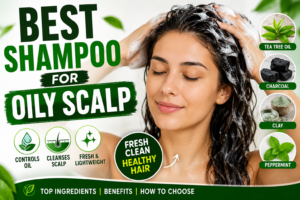

An oily scalp can make your hair look greasy only hours after washing. It often feels sticky, attracts dust easily, and may even cause dandruff, itching, or unpleasant odor. Finding the best shampoo for oily scalp can make a huge difference in maintaining fresh, healthy, and manageable hair.
The right shampoo removes excess oil without stripping your scalp of its natural moisture. It also helps balance sebum production while keeping your hair soft and healthy.
In this complete guide, you’ll learn everything about choosing the best shampoo for oily scalp, including ingredients, benefits, common mistakes, and expert hair care tips.
What Causes an Oily Scalp?
Before choosing a shampoo, it’s important to understand why your scalp becomes oily.
Common causes include:
- Overactive sebaceous glands
- Hormonal changes
- Genetics
- Hot and humid weather
- Frequent touching of hair
- Product buildup
- Poor scalp hygiene
- Using the wrong shampoo
Your scalp naturally produces sebum, which protects your hair. However, excessive sebum production results in greasy hair and scalp problems.
Signs You Need a Shampoo for Oily Scalp
You may need a shampoo specially formulated for oily hair if you notice:
- Hair becomes greasy within one day
- Flat, lifeless hair
- Sticky scalp
- Itchy scalp
- Oily dandruff
- Unpleasant scalp smell
- Hair feels heavy
- Increased acne around the forehead
Why Regular Shampoo Doesn’t Work
Many regular shampoos contain moisturizing ingredients designed for dry hair.
These shampoos may:
- Leave residue
- Increase oiliness
- Weigh hair down
- Cause buildup
A shampoo designed specifically for oily scalps deeply cleanses while maintaining the scalp’s natural balance.
What Makes the Best Shampoo for Oily Scalp?
A quality oily scalp shampoo should:
✔ Remove excess oil
✔ Clean product buildup
✔ Balance sebum production
✔ Reduce itching
✔ Refresh the scalp
✔ Keep hair lightweight
✔ Improve scalp health
Best Ingredients to Look For
1. Salicylic Acid
One of the best ingredients for oily scalp.
Benefits:
- Removes dead skin
- Dissolves excess oil
- Prevents clogged follicles
- Reduces dandruff
2. Tea Tree Oil
Tea tree oil naturally cleanses the scalp.
Benefits:
- Antibacterial
- Antifungal
- Controls oil
- Reduces itching
3. Charcoal
Activated charcoal attracts dirt and oil.
Benefits:
- Deep cleansing
- Removes impurities
- Detoxifies scalp
4. Clay (Kaolin or Bentonite)
Clay absorbs oil naturally.
Benefits:
- Mattifies scalp
- Removes buildup
- Leaves hair fresh
5. Apple Cider Vinegar
Helps restore scalp pH.
Benefits:
- Removes residue
- Adds shine
- Reduces grease
6. Peppermint Oil
Provides a refreshing cooling sensation.
Benefits:
- Improves scalp circulation
- Refreshes oily scalp
- Reduces itching
7. Green Tea Extract
Rich in antioxidants.
Benefits:
- Controls sebum
- Protects scalp
- Reduces inflammation
Ingredients to Avoid
Avoid shampoos containing excessive amounts of:
- Heavy silicones
- Mineral oil
- Thick moisturizing oils
- Petroleum
- Heavy waxes
These ingredients can make oily hair worse.
Benefits of Using the Best Shampoo for Oily Scalp
Using the correct shampoo regularly offers many benefits.
Cleaner Hair
Removes dirt and excess oil effectively.
Longer Lasting Freshness
Hair stays clean for longer between washes.
Reduced Dandruff
Less oil means fewer flakes.
Better Hair Volume
Greasy hair often looks flat.
Oil-control shampoos restore natural lift.
Healthier Hair Growth
A clean scalp creates a healthier environment for hair follicles.
How Often Should You Wash Oily Hair?
Most dermatologists recommend:
- Very oily scalp: Every day or every other day
- Moderately oily: 2–3 times weekly
- Mild oiliness: 2 times weekly
Avoid over-washing because it may cause the scalp to produce even more oil.
Best Hair Care Routine for Oily Scalp
Morning
- Brush gently
- Avoid touching hair frequently
During the Day
- Keep hands away from scalp
- Use dry shampoo if necessary
Night
- Wash with oily scalp shampoo when needed
- Let hair dry completely before sleeping
Should You Use Conditioner?
Yes.
Only apply conditioner:
- Mid-length
- Hair ends
Avoid applying conditioner directly to the scalp.
Can Oily Scalp Cause Hair Loss?
An oily scalp itself doesn’t directly cause hair loss.
However, excessive oil may:
- Block follicles
- Increase dandruff
- Cause inflammation
- Lead to weaker hair roots
Keeping the scalp clean helps support healthier hair growth.
Natural Remedies for Oily Scalp
These remedies may help reduce oiliness:
Aloe Vera Gel
Helps soothe oily scalp.
Apple Cider Vinegar Rinse
Removes buildup.
Green Tea Rinse
May reduce sebum production.
Lemon Juice (Use Carefully)
Can temporarily reduce excess oil but may irritate sensitive scalps.
Lifestyle Tips
Healthy habits can improve scalp health.
- Eat more vegetables
- Drink plenty of water
- Sleep well
- Reduce stress
- Wash pillowcases weekly
- Clean hair brushes regularly
Common Mistakes to Avoid
Many people unknowingly worsen oily hair.
Avoid these mistakes:
- Using too much conditioner
- Washing with very hot water
- Overwashing
- Heavy styling products
- Scratching the scalp
- Sleeping with wet hair
How to Choose the Right Shampoo
Consider these factors:
Hair Type
Choose products made specifically for oily hair.
Scalp Sensitivity
Sensitive scalps benefit from sulfate-free formulas.
Dandruff
Look for shampoos containing salicylic acid or zinc-based ingredients.
Color-Treated Hair
Use color-safe oil-control shampoos.
Signs Your Shampoo Is Working
Within several weeks, you may notice:
- Less greasy hair
- Longer-lasting freshness
- Reduced itching
- Less dandruff
- Better volume
- Healthier scalp
When to See a Dermatologist
Consult a dermatologist if you experience:
- Severe itching
- Painful scalp
- Excessive hair loss
- Thick dandruff
- Scalp sores
- Persistent redness
- No improvement after several weeks of proper care
Frequently Asked Questions (FAQs)
What is the best shampoo for oily scalp?
The best shampoo is one formulated with oil-controlling ingredients such as salicylic acid, tea tree oil, charcoal, or clay that cleanses excess sebum without over-drying the scalp.
Can I wash oily hair every day?
Yes, if your scalp becomes greasy daily, gentle daily washing may be appropriate. Choose a mild shampoo designed for oily hair.
Does oily scalp cause dandruff?
Yes. Excess oil can contribute to oily dandruff by creating an environment where yeast can thrive.
Is sulfate-free shampoo good for oily scalp?
Yes. Many sulfate-free shampoos cleanse effectively while being gentler on sensitive scalps.
Can diet affect oily scalp?
Yes. A balanced diet, hydration, and overall healthy lifestyle may help support normal scalp function.
Conclusion
Choosing the best shampoo for oily scalp is one of the easiest ways to improve your hair health and confidence. Look for formulas that deeply cleanse, control excess oil, and maintain the scalp’s natural balance without causing dryness.
Pair the right shampoo with good hair-care habits—such as avoiding heavy products, washing at an appropriate frequency, and keeping your scalp clean—for the best long-term results. If oiliness is severe or accompanied by persistent itching, redness, or significant hair loss, consult a dermatologist for a personalized evaluation.