

Introduction
Chin acne and redness are common skin concerns that affect people of all ages. While occasional breakouts on the chin may seem harmless, persistent acne and redness can cause discomfort, lower confidence, and indicate underlying health or lifestyle issues. Understanding the causes of chin acne and facial redness is the first step toward finding the right treatment and maintaining healthy skin.
This article explores the main causes of chin acne and redness, effective treatment options, and practical prevention strategies to help you achieve clearer and healthier skin.
What Is Chin Acne?
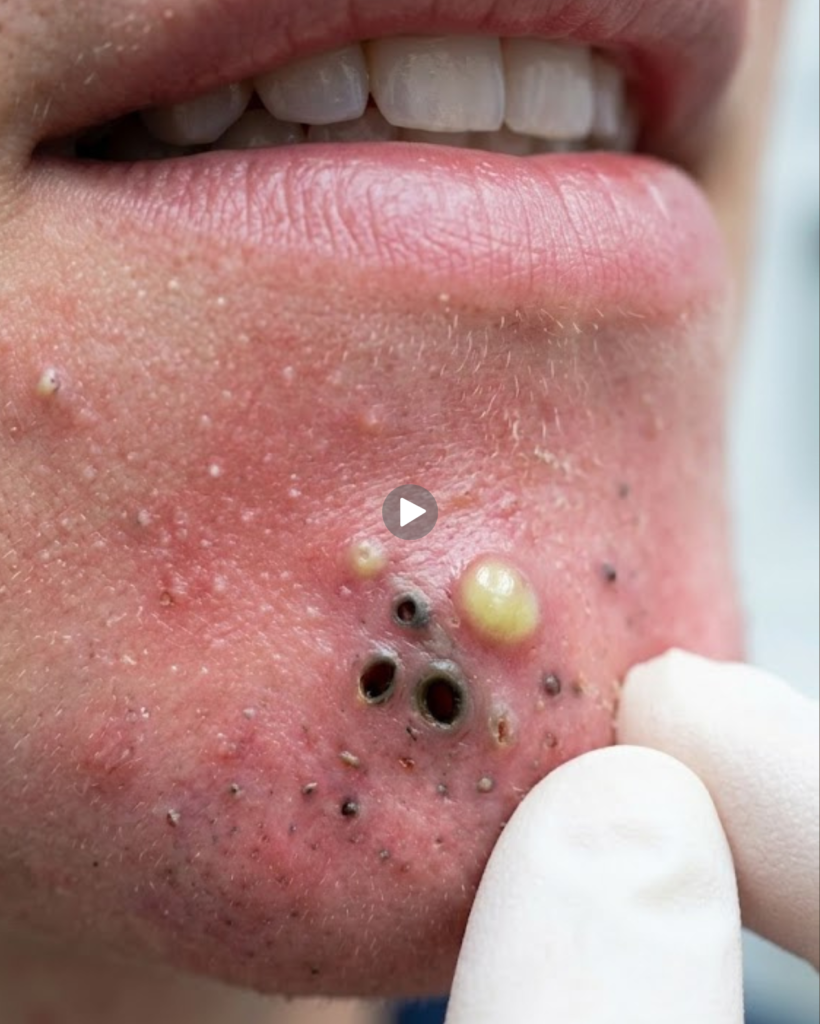
Chin acne refers to pimples, blackheads, whiteheads, or cystic breakouts that appear on the chin and jawline area. These breakouts occur when hair follicles become clogged with oil, dead skin cells, and bacteria. The chin is particularly vulnerable to acne because it is often influenced by hormonal fluctuations and external irritants.
Chin acne can appear in different forms, including:
- Whiteheads
- Blackheads
- Papules
- Pustules
- Nodules
- Cystic acne
The severity of chin acne varies from mild occasional breakouts to painful and recurring lesions that require professional treatment.
What Causes Chin Acne?
1. Hormonal Changes
Hormonal imbalance is one of the leading causes of chin acne. Increased levels of androgens stimulate the skin’s oil glands to produce excess sebum, which can clog pores and trigger breakouts.
Hormonal acne is especially common during:
- Puberty
- Menstrual cycles
- Pregnancy
- Menopause
- Periods of stress
Many adults experience recurring chin acne because hormonal fluctuations often affect the lower face and jawline.
2. Excess Oil Production
The skin naturally produces oil to stay moisturized. However, excessive oil production can mix with dead skin cells and block pores, creating an environment where acne-causing bacteria thrive.
People with oily skin are generally more prone to chin acne and redness.
3. Poor Skincare Habits
Using heavy skincare products or failing to cleanse the face properly can contribute to clogged pores. Sleeping with makeup on, touching the face frequently, or using dirty makeup brushes can also worsen acne.
Common skincare mistakes include:
- Overwashing the face
- Using harsh scrubs
- Applying pore-clogging cosmetics
- Skipping moisturizer
4. Diet and Lifestyle Factors
Although diet does not directly cause acne in everyone, certain foods may trigger breakouts in some individuals.
Possible dietary triggers include:
- Sugary foods
- Processed snacks
- High-glycemic foods
- Excessive dairy consumption
Stress and lack of sleep may also increase inflammation and hormonal activity, leading to more acne breakouts.
5. Friction and Irritation
Constant rubbing or pressure on the chin can irritate the skin and contribute to redness and acne formation.
Examples include:
- Wearing tight masks
- Resting the chin on hands
- Helmet straps
- Dirty pillowcases
Reducing friction can help improve skin health and reduce irritation.
Why Does Chin Acne Cause Redness?
Redness is a natural inflammatory response that occurs when the body attempts to heal damaged or infected skin. When pores become blocked and bacteria multiply, the immune system sends blood flow to the affected area, resulting in redness and swelling.
Redness may occur due to:
- Inflamed pimples
- Picking or squeezing acne
- Allergic reactions
- Skin sensitivity
- Harsh skincare products
Persistent redness may also be associated with conditions such as Acne Vulgaris or Rosacea.
Symptoms of Chin Acne and Redness
The symptoms can vary depending on the severity of the condition. Common signs include:
- Red or swollen pimples
- Tender skin around the chin
- Whiteheads and blackheads
- Burning sensation
- Dry or flaky skin
- Persistent redness after breakouts heal
If redness spreads or becomes severe, consulting a dermatologist is recommended.
Best Treatments for Chin Acne and Redness
1. Gentle Cleansing
Washing your face twice daily with a gentle cleanser helps remove excess oil, dirt, and bacteria without damaging the skin barrier.
Choose products that are:
- Fragrance-free
- Non-comedogenic
- Suitable for sensitive skin
Avoid aggressive scrubbing because it can increase redness and inflammation.
2. Salicylic Acid
Salicylic acid is a popular ingredient for acne treatment because it penetrates pores and removes excess oil and dead skin cells.
Benefits include:
- Unclogging pores
- Reducing blackheads
- Minimizing inflammation
- Preventing future breakouts
People with sensitive skin should start with lower concentrations.
3. Benzoyl Peroxide
Benzoyl peroxide helps kill acne-causing bacteria and reduce inflammation. It is widely used for treating mild to moderate acne.
Benefits include:
- Reducing bacteria
- Drying excess oil
- Preventing clogged pores
Overuse may lead to dryness and irritation, so moderation is important.
4. Retinoids
Topical retinoids increase cell turnover and prevent clogged pores. They are highly effective for persistent acne and improving skin texture.
Results usually appear after several weeks of consistent use.
5. Moisturizing the Skin
Many people avoid moisturizers because they fear worsening acne. However, proper hydration helps maintain the skin barrier and reduces irritation.
Look for moisturizers labeled:
- Oil-free
- Non-comedogenic
- Lightweight
Hydrated skin often experiences less redness and sensitivity.
6. Sun Protection
Sun exposure can worsen redness and leave dark marks after acne heals. Daily sunscreen use protects the skin and supports recovery.
Choose a sunscreen with:
- SPF 30 or higher
- Broad-spectrum protection
- Lightweight texture
Applying sunscreen every morning is essential for healthy skin.
Natural Remedies for Chin Acne and Redness
Some natural remedies may provide relief for mild symptoms.
Aloe Vera
Aloe vera contains soothing compounds that may reduce redness and irritation while supporting healing.
Green Tea Extract
Green tea contains antioxidants that may help reduce inflammation and oil production.
Honey
Honey possesses antibacterial properties and may support skin healing when used occasionally as a mask.
Cold Compress
Applying a cold compress for a few minutes can help reduce swelling and redness associated with inflamed pimples.
Natural remedies may help mild cases but should not replace medical treatment for severe acne.
How to Prevent Chin Acne and Redness
Prevention is often easier than treatment. Following healthy skincare habits can significantly reduce future breakouts.
Maintain a Consistent Skincare Routine
A simple routine typically includes:
- Gentle cleanser
- Moisturizer
- Sunscreen
- Acne treatment products if needed
Consistency often delivers better results than frequently changing products.
Avoid Touching Your Face
Hands carry bacteria and oils that can transfer to the skin and clog pores. Avoid resting your chin on your hands throughout the day.
Change Pillowcases Regularly
Dirty pillowcases collect oil, sweat, and bacteria that may contribute to acne formation. Washing them weekly can improve skin hygiene.
Manage Stress
Stress hormones can increase oil production and worsen breakouts. Helpful stress-management techniques include:
- Exercise
- Meditation
- Deep breathing
- Adequate sleep
Eat a Balanced Diet
A nutritious diet supports overall skin health. Focus on:
- Fruits
- Vegetables
- Whole grains
- Lean proteins
- Adequate water intake
Keeping a food journal may help identify personal dietary triggers.
When Should You See a Dermatologist?
While mild chin acne can often be treated at home, professional medical advice may be necessary if:
- Acne becomes painful or cystic.
- Redness persists for several weeks.
- Over-the-counter products do not work.
- Scarring develops.
- Breakouts affect emotional well-being.
A dermatologist can provide personalized treatment options such as prescription medications, hormonal therapies, or advanced procedures.
Conclusion
Chin acne and redness are common but manageable skin concerns. Hormonal changes, excess oil production, lifestyle factors, and poor skincare habits can all contribute to breakouts and inflammation. Fortunately, a combination of proper skincare, healthy lifestyle choices, and targeted treatments can significantly improve skin appearance.
Consistency is the key to achieving long-term results. By understanding the causes of chin acne and adopting preventive measures, you can reduce redness, minimize breakouts, and maintain healthier skin over time.
If symptoms persist despite treatment, seeking advice from a qualified dermatologist can help identify the underlying cause and provide effective solutions tailored to your skin’s needs.
