

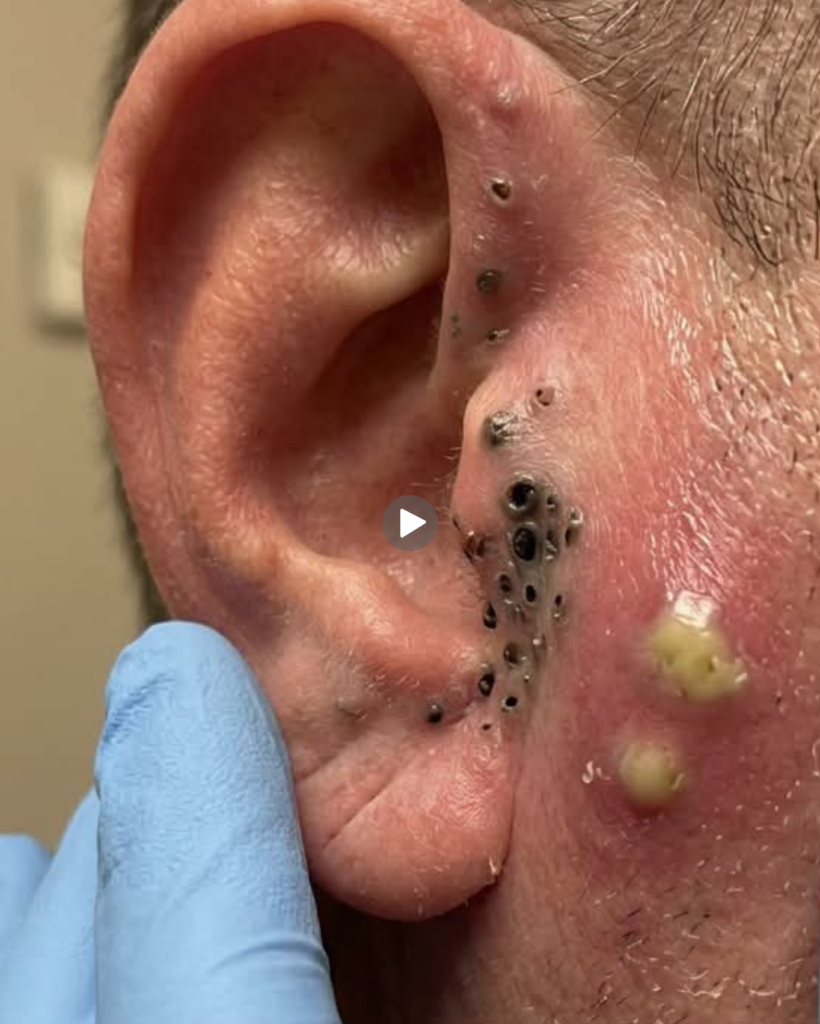
Healthy skin starts with a strong skin barrier. If your skin suddenly becomes dry, irritated, sensitive, or prone to redness, your skin barrier may be damaged. A compromised skin barrier not only affects your appearance but also makes your skin vulnerable to environmental pollutants, bacteria, and moisture loss.
The good news is that repairing a damaged skin barrier is possible with the right skincare routine, gentle products, and healthy lifestyle habits. In this guide, you’ll learn what the skin barrier is, what causes damage, common symptoms, and the best methods to restore your skin naturally.
What Is the Skin Barrier?
The skin barrier, also known as the moisture barrier, is the outermost layer of your skin. It acts as a protective shield against harmful bacteria, pollution, UV rays, and harsh weather while locking in moisture.
A healthy skin barrier keeps your skin smooth, hydrated, and resilient. When it becomes damaged, your skin loses water quickly and becomes more sensitive to irritation.
Signs of a Damaged Skin Barrier
Recognizing the symptoms early can help prevent further damage. Common signs include:
- Dry, flaky skin
- Redness and inflammation
- Tightness after washing
- Burning or stinging sensation
- Increased sensitivity
- Rough skin texture
- Itchy patches
- Frequent breakouts
- Dull complexion
- Dehydrated skin despite using moisturizer
If you experience several of these symptoms, it’s likely that your skin barrier needs repair.
What Causes a Damaged Skin Barrier?
Several everyday habits can weaken your skin’s protective barrier.
1. Over-Exfoliation
Using chemical exfoliants or scrubs too often strips away the skin’s natural oils.
2. Harsh Cleansers
Cleansers containing sulfates, alcohol, or strong fragrances can remove essential lipids that protect the skin.
3. Excessive Use of Active Ingredients
Too much retinol, glycolic acid, salicylic acid, or vitamin C can irritate the skin when overused.
4. Sun Damage
Prolonged UV exposure weakens the skin barrier and accelerates aging.
5. Hot Water
Long, hot showers remove natural oils and leave the skin dehydrated.
6. Environmental Factors
Cold weather, dry air, pollution, and strong winds can all contribute to skin barrier damage.
7. Poor Diet and Dehydration
Lack of essential nutrients and inadequate water intake reduce the skin’s ability to repair itself.
How to Repair a Damaged Skin Barrier
Healing your skin barrier takes patience, but following these steps consistently can significantly improve your skin.
1. Simplify Your Skincare Routine
When your skin barrier is compromised, less is more.
Focus only on:
- Gentle cleanser
- Hydrating moisturizer
- Sunscreen
- Optional hydrating serum
Avoid trying multiple new skincare products during the healing process.
2. Use a Gentle Cleanser
Choose a fragrance-free, sulfate-free cleanser that cleans your skin without stripping away natural oils.
Wash your face only twice daily using lukewarm water.
3. Apply a Barrier Repair Moisturizer
A good moisturizer restores hydration and strengthens the skin barrier.
Look for ingredients such as:
- Ceramides
- Glycerin
- Hyaluronic Acid
- Squalane
- Cholesterol
- Fatty acids
These ingredients help rebuild the skin’s protective layer.
4. Avoid Over-Exfoliating
Stop using:
- Physical scrubs
- AHAs
- BHAs
- Retinol
- Benzoyl peroxide
Take a break for at least two to four weeks until your skin feels healthy again.
5. Wear Sunscreen Every Day
UV damage slows skin repair.
Use a broad-spectrum SPF 30 or higher every morning, even on cloudy days.
6. Hydrate Your Skin
Hydration is essential for skin recovery.
Use hydrating products containing:
- Hyaluronic Acid
- Panthenol
- Aloe Vera
- Beta-Glucan
Drink plenty of water throughout the day to support hydration from within.
7. Avoid Fragrance and Alcohol
Products with strong fragrances and drying alcohols often irritate damaged skin.
Choose products labeled:
- Fragrance-Free
- Alcohol-Free
- Sensitive Skin
8. Protect Your Skin from Harsh Weather
Cold winds and dry air weaken the skin barrier.
Wear protective clothing and consider using a humidifier indoors during winter.
Best Ingredients for Skin Barrier Repair
Some skincare ingredients are especially effective at restoring the skin barrier.
Ceramides
Ceramides replace natural lipids lost from the skin and improve moisture retention.
Niacinamide
Niacinamide reduces redness, strengthens the skin barrier, and controls oil production.
Panthenol
Also known as Vitamin B5, panthenol soothes irritated skin and speeds healing.
Hyaluronic Acid
This powerful humectant attracts water into the skin and prevents dehydration.
Squalane
Squalane mimics natural skin oils and helps restore softness without clogging pores.
Oat Extract
Colloidal oatmeal calms inflammation and relieves itching.
Ingredients to Avoid While Healing
Avoid products containing:
- High concentrations of retinol
- Glycolic acid
- Salicylic acid
- Strong exfoliating scrubs
- Alcohol-based toners
- Artificial fragrance
- Essential oils (if your skin is highly sensitive)
Give your skin time to recover before reintroducing active ingredients.
Daily Skincare Routine for a Damaged Skin Barrier
Morning Routine
- Gentle cleanser
- Hydrating serum
- Barrier repair moisturizer
- Sunscreen SPF 30+
Evening Routine
- Gentle cleanser
- Moisturizer with ceramides
- Optional occlusive balm if skin is extremely dry
Keep the routine simple until your skin fully recovers.
Foods That Help Repair the Skin Barrier
Healthy skin starts from within.
Include these foods in your diet:
- Salmon
- Avocados
- Walnuts
- Almonds
- Olive oil
- Eggs
- Sweet potatoes
- Spinach
- Blueberries
- Citrus fruits
These foods provide healthy fats, antioxidants, vitamins A, C, D, and E that support skin repair.
Lifestyle Tips for Healthy Skin
Besides skincare, healthy habits improve your skin’s ability to heal.
- Sleep 7–9 hours every night.
- Manage stress through exercise or meditation.
- Stay hydrated.
- Avoid smoking.
- Limit alcohol consumption.
- Eat a balanced diet.
- Exercise regularly to improve blood circulation.
How Long Does It Take to Repair a Damaged Skin Barrier?
The healing time depends on the severity of the damage.
- Mild damage: 1–2 weeks
- Moderate damage: 3–6 weeks
- Severe damage: 2–3 months
Consistency is the key. Avoid switching products frequently while your skin heals.
Common Mistakes to Avoid
Many people accidentally make their damaged skin barrier worse.
Avoid these mistakes:
- Washing your face too often
- Using multiple active ingredients together
- Skipping moisturizer
- Forgetting sunscreen
- Picking at acne or peeling skin
- Trying new skincare products every few days
A simple, consistent routine delivers the best results.
Final Thoughts
A healthy skin barrier is the foundation of beautiful, glowing skin. When it becomes damaged, your skin loses moisture and becomes more vulnerable to irritation, redness, and breakouts. Fortunately, repairing your skin barrier is possible with gentle skincare, proper hydration, nourishing ingredients, and daily sun protection.
Stick to a minimalist skincare routine, choose products with ceramides, hyaluronic acid, and niacinamide, and avoid harsh exfoliants until your skin has fully recovered. Combined with a healthy diet and good lifestyle habits, these steps will help restore your skin’s natural strength and resilience over time.
By taking care of your skin barrier today, you’ll enjoy healthier, smoother, and more radiant skin for years to come.
Focus Keyword: How to Repair a Damaged Skin Barrier
SEO Keywords: damaged skin barrier, skin barrier repair, repair skin barrier naturally, skin barrier recovery, healthy skin barrier, best moisturizer for damaged skin barrier, skin barrier routine, restore skin barrier, skincare routine for sensitive skin, how to heal damaged skin.
