

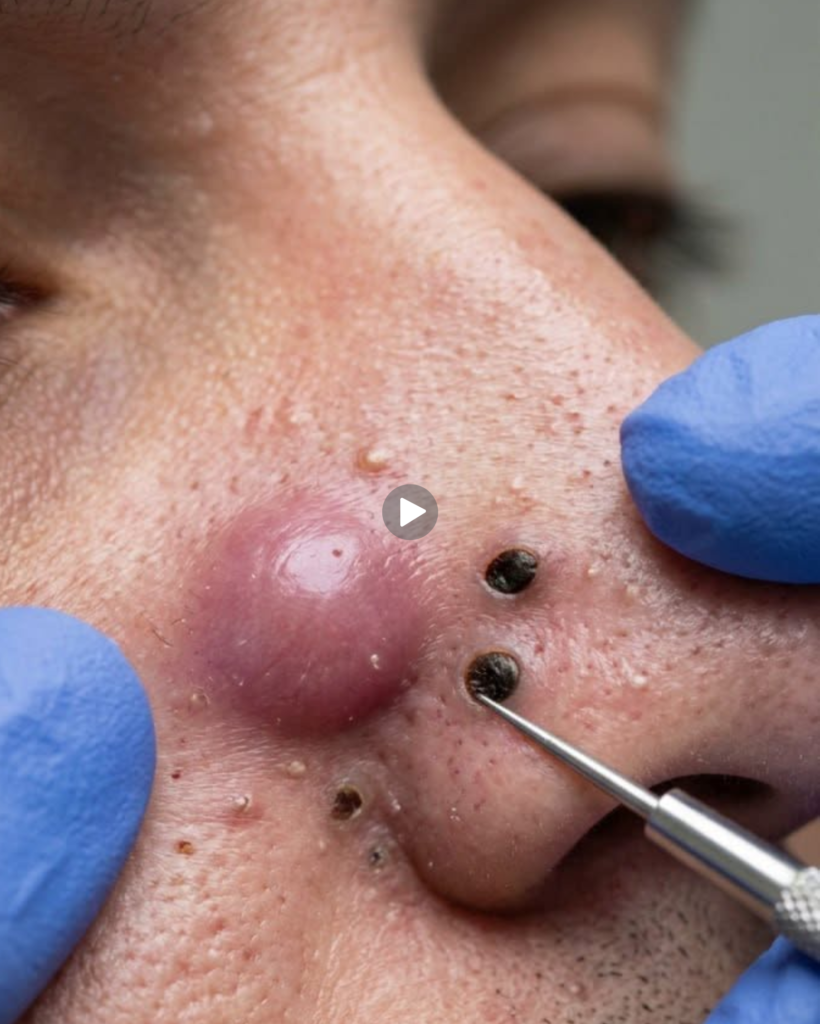
Acne is one of the most common skin conditions, affecting millions of teenagers and adults worldwide. In many cultures, people believe that “stomach heat” or “liver heat” is responsible for acne breakouts. While these terms are commonly used in traditional medicine systems, modern medical science explains acne differently.
So, does stomach or liver heat really cause acne?
The short answer is not directly. However, poor digestion, unhealthy eating habits, hormonal imbalance, and liver diseases can sometimes contribute to skin problems that may worsen acne.
This article explains the relationship between digestive health, liver function, and acne using both scientific evidence and traditional beliefs.
What Is Acne?
Acne is a skin condition that occurs when hair follicles become blocked with oil (sebum), dead skin cells, and bacteria.
Common types include:
- Whiteheads
- Blackheads
- Papules
- Pustules
- Nodules
- Cystic acne
Acne usually appears on:
- Face
- Forehead
- Chest
- Back
- Shoulders
What Do People Mean by “Stomach Heat”?
The term stomach heat is commonly used in traditional medicine. It generally refers to digestive problems caused by:
- Eating spicy foods
- Oily or fried foods
- Excess sugar
- Overeating
- Poor digestion
- Acid reflux
- Constipation
People often believe these problems produce “heat” inside the body that appears on the skin as pimples.
However, modern medicine does not recognize “stomach heat” as a medical diagnosis.
What Is “Liver Heat”?
Traditional medicine also describes liver heat as excessive internal heat affecting the liver.
Symptoms may include:
- Irritability
- Headaches
- Red eyes
- Skin redness
- Acne
- Bitter taste in the mouth
From a scientific perspective, the liver does not create acne simply because it is “hot.”
Instead, serious liver diseases usually produce symptoms like:
- Yellow skin (jaundice)
- Fatigue
- Swollen abdomen
- Dark urine
- Nausea
Acne is generally not a primary sign of liver disease.
What Actually Causes Acne?
Modern dermatology identifies several major causes.
1. Excess Oil Production
Hormones stimulate sebaceous glands to produce more oil.
Too much oil blocks pores and encourages acne.
2. Hormonal Changes
Hormones are one of the biggest reasons for acne.
Hormonal fluctuations occur during:
- Puberty
- Pregnancy
- Menstrual cycles
- PCOS
- Stress
3. Clogged Pores
Dead skin cells combine with excess oil and block pores.
These clogged pores become blackheads or whiteheads.
4. Bacteria
A naturally occurring skin bacterium called Cutibacterium acnes multiplies inside blocked pores.
This causes inflammation and pus-filled pimples.
5. Inflammation
Inflammation causes redness, swelling, pain, and cyst formation.
Can Poor Digestion Affect Acne?
Although digestion does not directly create acne, digestive health may influence skin health.
Poor digestion may lead to:
- Nutrient deficiencies
- Increased inflammation
- Gut microbiome imbalance
- Constipation
Research suggests that the gut and skin are connected through the gut-skin axis.
An unhealthy digestive system may worsen inflammatory skin conditions in some individuals.
Can Liver Problems Cause Acne?
The liver plays an important role in:
- Breaking down toxins
- Metabolizing hormones
- Producing bile
- Processing nutrients
A healthy liver supports overall health.
However, there is no strong scientific evidence that a healthy person’s acne develops because the liver is “overheated.”
Only severe liver diseases may indirectly affect skin appearance, but acne itself is usually caused by other factors.
Foods That May Trigger Acne
Certain foods may worsen acne in susceptible individuals.
These include:
High-Sugar Foods
Examples:
- Candy
- Cakes
- Soft drinks
- Cookies
High-glycemic foods increase insulin levels, which may stimulate oil production.
Dairy Products
Some studies suggest that milk, particularly skim milk, may increase acne risk in certain people.
Not everyone is affected.
Fast Food
Foods high in unhealthy fats and refined carbohydrates may contribute to inflammation.
Examples:
- Burgers
- Fries
- Pizza
- Fried chicken
Processed Snacks
Chips and packaged snacks often contain refined carbohydrates and unhealthy oils.
Foods That Support Healthy Skin
A balanced diet helps maintain healthy skin.
Eat more:
- Fresh vegetables
- Fruits
- Whole grains
- Fish
- Eggs
- Nuts
- Seeds
- Beans
Drink plenty of water throughout the day.
Does Drinking Water Cure Acne?
Water alone does not cure acne.
However, staying hydrated helps:
- Maintain skin moisture
- Support digestion
- Improve overall body function
Good hydration is part of healthy skincare.
The Gut-Skin Connection
Scientists now recognize communication between the digestive system and the skin.
A healthy gut microbiome may help reduce inflammation.
Ways to support gut health include:
- Eating fiber-rich foods
- Consuming yogurt or probiotic foods if tolerated
- Avoiding excessive processed foods
- Managing stress
Can Stress Cause Acne?
Yes.
Stress increases cortisol levels.
Higher cortisol may increase oil production and inflammation, making acne worse.
Stress management techniques include:
- Exercise
- Meditation
- Good sleep
- Deep breathing
- Spending time outdoors
Best Skincare Routine for Acne
Follow a simple skincare routine.
Morning
- Gentle cleanser
- Oil-free moisturizer
- Sunscreen (SPF 30 or higher)
Evening
- Gentle cleanser
- Acne treatment (benzoyl peroxide or salicylic acid if appropriate)
- Moisturizer
Avoid scrubbing the skin aggressively.
Natural Ways to Support Healthy Skin
Healthy lifestyle habits include:
- Sleeping 7–9 hours
- Drinking enough water
- Eating balanced meals
- Limiting sugary foods
- Exercising regularly
- Managing stress
- Avoiding smoking
When Should You See a Doctor?
Consult a dermatologist if:
- Acne is painful
- Acne leaves scars
- Home treatments do not work after several weeks
- Large cysts develop
- Acne severely affects confidence
Medical treatments may include:
- Topical retinoids
- Benzoyl peroxide
- Antibiotics
- Hormonal therapy
- Isotretinoin (for severe acne)
Common Myths About Acne
Myth 1: Liver Heat Causes Acne
Reality: There is no strong scientific evidence that “liver heat” directly causes acne.
Myth 2: Dirty Skin Causes Acne
Reality: Acne is caused by clogged pores, hormones, bacteria, and inflammation—not simply poor hygiene.
Myth 3: Chocolate Always Causes Pimples
Reality: Chocolate alone is not the main cause. Diet affects individuals differently.
Myth 4: Washing the Face Frequently Clears Acne
Reality: Overwashing can irritate the skin and make acne worse.
Final Thoughts
The belief that stomach heat or liver heat causes acne is rooted in traditional medicine, but modern science points to a combination of hormonal changes, excess oil production, clogged pores, bacteria, genetics, and inflammation as the primary causes.
While poor diet, digestive issues, and unhealthy lifestyle habits may contribute to worsening acne in some people, they are usually not the direct cause. Maintaining a balanced diet, practicing good skincare, managing stress, and seeking professional treatment when necessary are the most effective ways to achieve healthier, clearer skin.
Frequently Asked Questions (FAQs)
Can stomach problems cause acne?
Digestive issues may contribute to inflammation and poor nutrient absorption, which can indirectly affect skin health, but they are not a direct cause of acne.
Is acne a sign of liver disease?
In most cases, no. Acne is usually unrelated to liver disease unless other serious symptoms are present.
Does spicy food cause pimples?
Spicy food does not directly cause acne, but it may trigger flare-ups in some sensitive individuals.
Can constipation cause acne?
There is limited scientific evidence. Constipation may reflect poor dietary habits that can indirectly influence skin health.
What is the biggest cause of acne?
Hormonal changes, excess oil production, clogged pores, bacteria, inflammation, and genetics are the primary causes of acne.
