

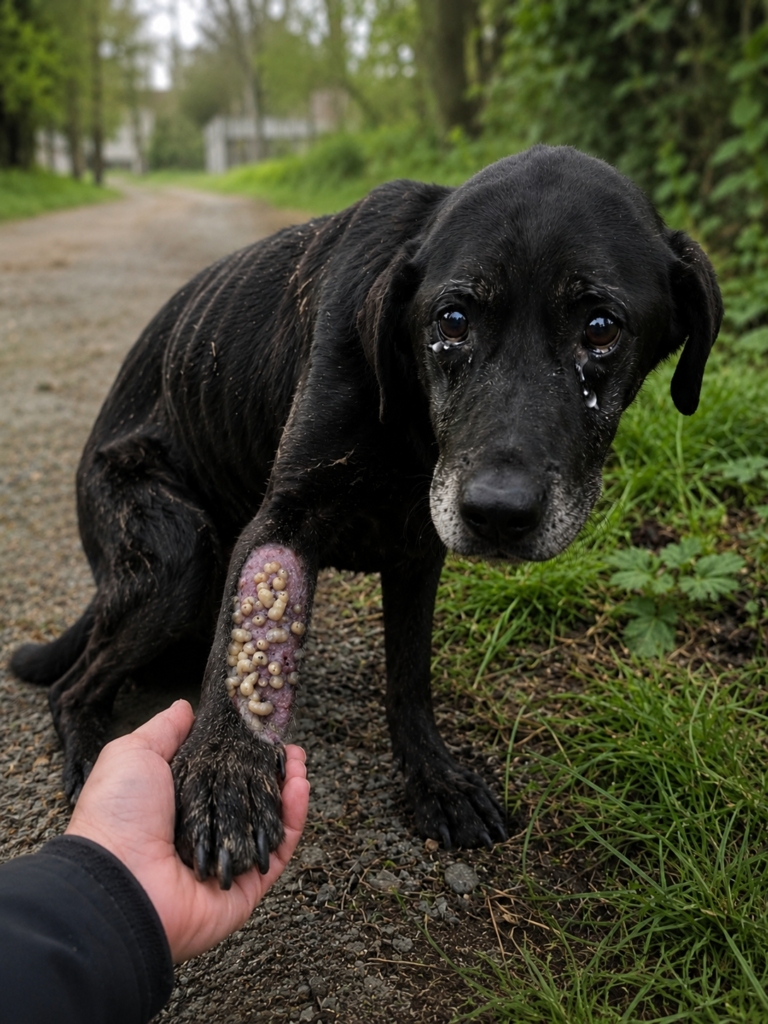
Dogs are beloved members of many families, and their health is a top priority for pet owners. One common health problem that affects dogs of all ages is diarrhea. While occasional loose stools may not be a serious concern, diarrhea accompanied by pain can indicate an underlying health issue that requires attention. Understanding the causes, symptoms, treatment options, and prevention methods can help keep your dog healthy and comfortable.
What Is Dog Diarrhea?
Diarrhea is the frequent passage of loose, watery, or soft stools. It occurs when the digestive system is unable to absorb water properly or when food moves too quickly through the intestines. Diarrhea can be mild and temporary or severe and persistent.
When a dog experiences diarrhea along with abdominal pain, discomfort, vomiting, lethargy, or loss of appetite, it may be a sign of a more serious condition that needs veterinary evaluation.
Signs of Pain in Dogs With Diarrhea
Dogs cannot tell us when they are hurting, but they often show signs of discomfort. Common symptoms of pain associated with diarrhea include:
- Whining or crying
- Restlessness
- Panting excessively
- Hunched posture
- Sensitivity when the abdomen is touched
- Loss of appetite
- Lethargy or weakness
- Frequent attempts to defecate
- Straining during bowel movements
If your dog shows these symptoms along with diarrhea, it is important to monitor them closely.
Common Causes of Dog Diarrhea and Pain
1. Dietary Changes
Sudden changes in diet can upset a dog’s digestive system. Introducing new food too quickly may lead to diarrhea, stomach cramps, and discomfort.
2. Eating Something Harmful
Dogs are naturally curious and may eat spoiled food, garbage, toxic plants, or foreign objects. These substances can irritate the digestive tract and cause painful diarrhea.
3. Food Allergies or Intolerances
Some dogs are sensitive to specific ingredients such as dairy, chicken, beef, wheat, or artificial additives. Food intolerance can result in chronic diarrhea and digestive discomfort.
4. Intestinal Parasites
Parasites such as roundworms, hookworms, whipworms, and Giardia can infect a dog’s digestive system. These parasites often cause diarrhea, abdominal pain, weight loss, and weakness.
5. Bacterial or Viral Infections
Infections caused by bacteria or viruses can lead to severe gastrointestinal symptoms. Conditions such as parvovirus are especially dangerous in puppies and require immediate veterinary care.
6. Stress and Anxiety
Just like humans, dogs can experience digestive problems due to stress. Moving to a new home, traveling, boarding, or major changes in routine may trigger diarrhea.
7. Inflammatory Bowel Disease (IBD)
IBD is a chronic condition that causes inflammation in the digestive tract. Dogs with IBD often suffer from recurring diarrhea, stomach pain, and weight loss.
8. Pancreatitis
Pancreatitis occurs when the pancreas becomes inflamed. It can cause severe abdominal pain, vomiting, and diarrhea. This condition requires prompt veterinary treatment.
9. Poisoning
Certain foods and substances are toxic to dogs, including chocolate, grapes, onions, xylitol, and some household chemicals. Poisoning may result in severe diarrhea and abdominal distress.
When Dog Diarrhea Becomes an Emergency
Although mild diarrhea may resolve on its own, some situations require immediate veterinary attention.
Contact your veterinarian if your dog experiences:
- Bloody diarrhea
- Black or tarry stools
- Severe abdominal pain
- Persistent vomiting
- Extreme lethargy
- Signs of dehydration
- High fever
- Diarrhea lasting more than 24–48 hours
- Difficulty standing or walking
Puppies, senior dogs, and dogs with existing health conditions are particularly vulnerable to complications from diarrhea.
Home Care for Mild Dog Diarrhea
If your dog has mild diarrhea and is otherwise acting normally, some home care measures may help.
Provide Plenty of Water
Diarrhea causes fluid loss, which can quickly lead to dehydration. Always ensure your dog has access to fresh, clean water.
Offer a Bland Diet
A bland diet can help soothe the digestive system. Common options include:
- Boiled chicken without skin or seasoning
- Plain white rice
- Boiled turkey
- Plain pumpkin puree (not pie filling)
Feed small portions several times a day until the stool begins to improve.
Avoid Rich Foods
Fatty treats, table scraps, and dairy products may worsen digestive upset. Stick to simple foods until recovery.
Monitor Symptoms
Keep track of stool consistency, frequency, appetite, and energy levels. If symptoms worsen, seek veterinary advice.
Veterinary Treatment for Dog Diarrhea Pain
A veterinarian may recommend various treatments depending on the cause of the diarrhea.
Diagnostic Testing
To determine the underlying issue, the veterinarian may perform:
- Physical examination
- Fecal testing
- Blood tests
- X-rays
- Ultrasound
Medications
Treatment may include:
- Anti-diarrheal medications
- Deworming medications
- Antibiotics
- Anti-inflammatory drugs
- Pain management medications
Never give human medications to dogs without veterinary approval.
Fluid Therapy
Dogs suffering from dehydration may require intravenous or subcutaneous fluids to restore hydration and electrolyte balance.
Prescription Diets
Some dogs benefit from specialized diets designed to support digestive health and reduce gastrointestinal inflammation.
How to Prevent Dog Diarrhea
Prevention is often easier than treatment. Consider the following strategies to keep your dog’s digestive system healthy.
Feed a Consistent Diet
Avoid sudden food changes. If switching foods, gradually transition over 7–10 days.
Keep Harmful Items Out of Reach
Store garbage, chemicals, medications, and toxic foods safely to prevent accidental ingestion.
Maintain Regular Deworming
Follow your veterinarian’s recommended parasite prevention schedule.
Provide Clean Water
Ensure your dog always has access to fresh, clean drinking water.
Reduce Stress
Maintain a predictable routine and provide a comfortable environment to minimize anxiety-related digestive problems.
Schedule Regular Veterinary Checkups
Routine wellness exams can identify potential health issues before they become serious.
Recovery and Long-Term Outlook
Most cases of mild diarrhea improve within a few days with proper care. However, recovery time depends on the underlying cause. Dogs with infections, parasites, or chronic digestive disorders may require longer treatment periods.
Monitoring your dog’s health during recovery is essential. Gradually return to the regular diet once stools become normal and your dog appears comfortable.
If diarrhea becomes a recurring problem, work closely with your veterinarian to identify triggers and develop a long-term management plan.
Conclusion
Dog diarrhea pain can range from a minor digestive upset to a sign of a serious medical condition. Understanding the causes, recognizing warning signs, and taking appropriate action can make a significant difference in your dog’s health and comfort. While mild cases may respond to home care, severe or persistent symptoms should always be evaluated by a veterinarian.
By providing a balanced diet, maintaining good hygiene, preventing parasite infections, and scheduling regular veterinary visits, pet owners can help reduce the risk of diarrhea and support their dog’s overall well-being. A healthy digestive system is an important part of a happy and active life for every dog.
